- Motorcycle
- IMZ-Ural (0 offers)
Buy IMZ-Ural Motorcycle
From the Ural Mountains to the British countryside: IMZ-Ural has been crafting rugged sidecar outfits since 1941. What began as a wartime reverse-engineering of the BMW R71 has become a cult classic for modern adventurers seeking a unique three-wheeled experience.
Search results
Currently, there are no matching listings for your search.
Create search alert
Let yourself be notified as soon as a listing is published that matches your search filters.
Create listing
Do you have a IMZ-Ural that you want to sell? Then create a listing now.
Create listingIMZ-Ural listing references from Classic Trader
Below you will find listings related to your search that are no longer available on Classic Trader. Use this information to gain insight into availability, value trends, and current pricing for a "IMZ-Ural" to make a more informed purchasing decision.
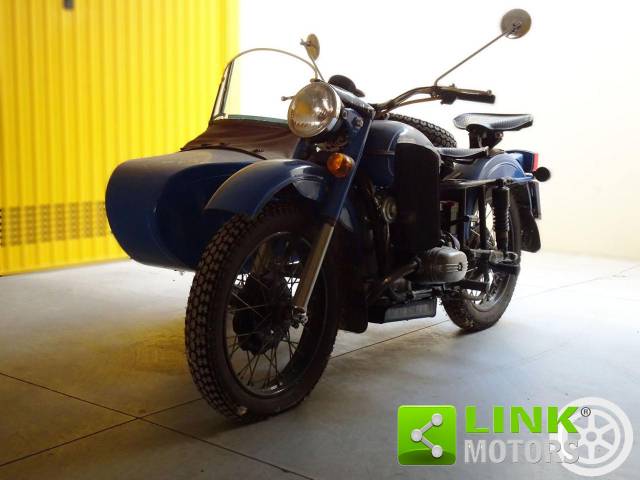
1991 | IMZ-Ural M 62
URAL UH 650 Sidecar IMZ 8 103 10
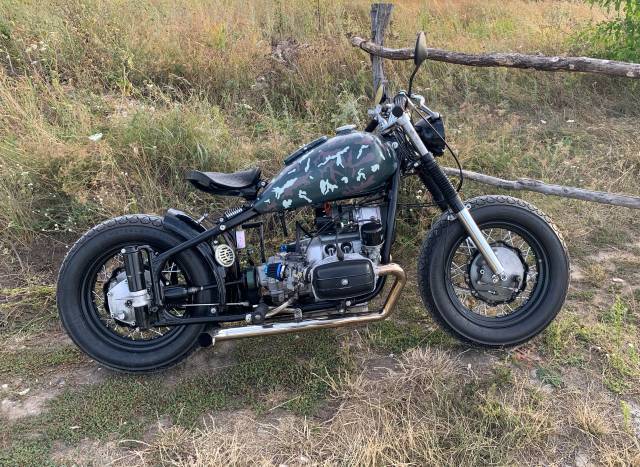
1954 | IMZ-Ural M72
Custom Ural M-72 1954
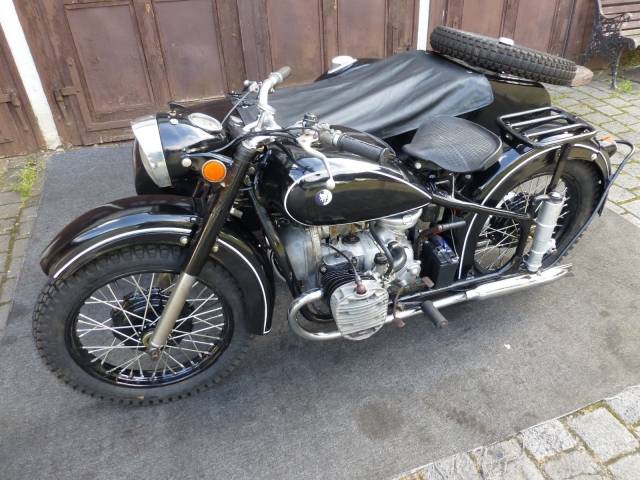
1961 | IMZ-Ural M61
Ural M 62 M 72 M61 Gespann Oldtimer deutscher Brief!

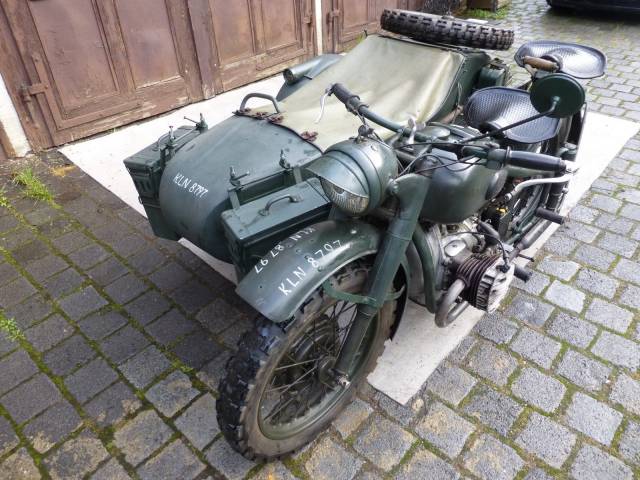
1953 | IMZ-Ural M72
Ural M 72 M61 K750 Gespann Oldtimer deutscher Brief!
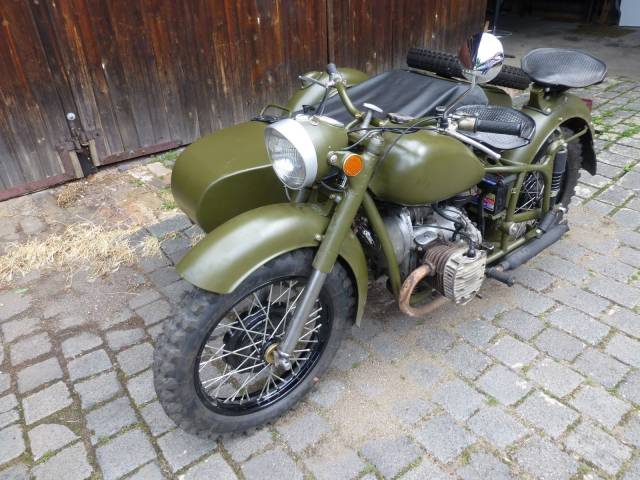
1961 | IMZ-Ural M61
Ural Dnepr K750 Gespann Oldtimer deutscher Brief!
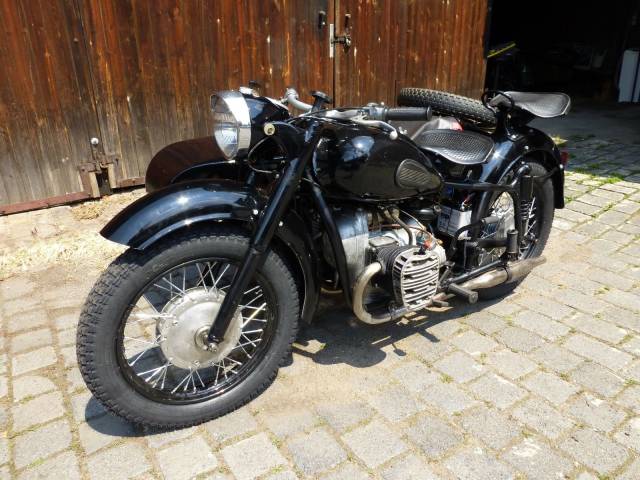
1960 | IMZ-Ural M61
Ural Dnepr K750 Gespann Oldtimer deutscher Brief!
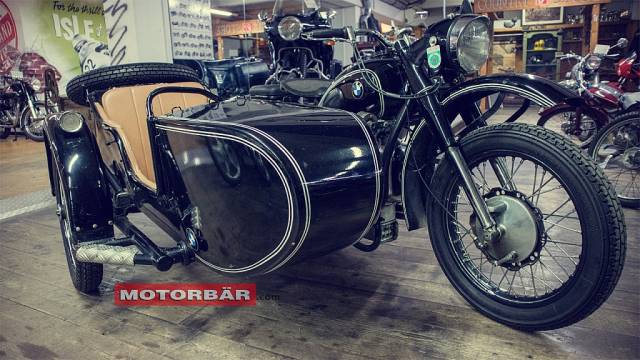
1945 | IMZ-Ural M72
Motorteile von BMW
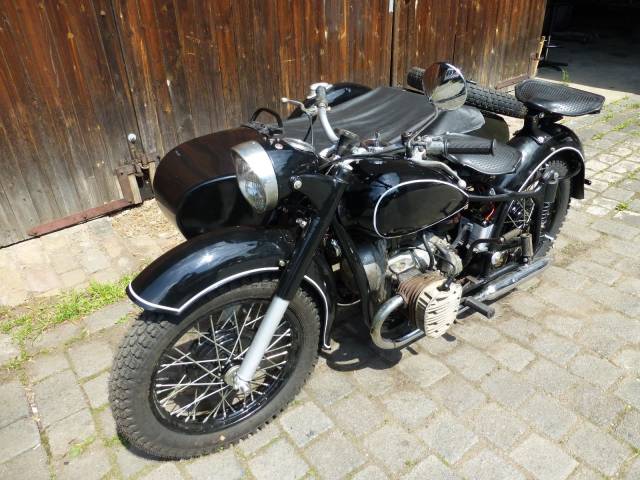
1959 | IMZ-Ural M61
Ural Dnepr K750 Gespann Oldtimer deutscher Brief!
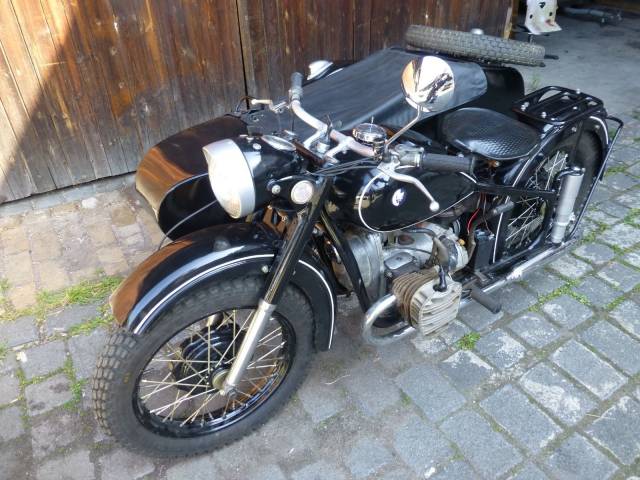
1960 | IMZ-Ural M61
Ural M 72 M61 Gespann Oldtimer deutscher Brief!
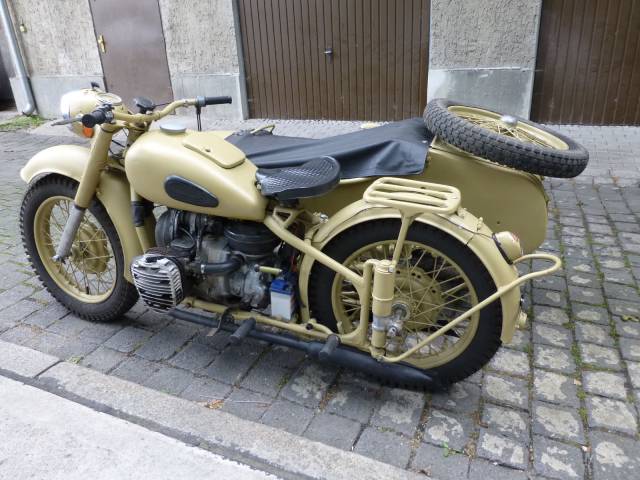
1965 | IMZ-Ural M72
Ural M72, M63 Gespann Oldtimer deutsche Papiere!

1956 | IMZ-Ural M72
Cj 750 Gespann M1M fahrbereit Bj. 1956!
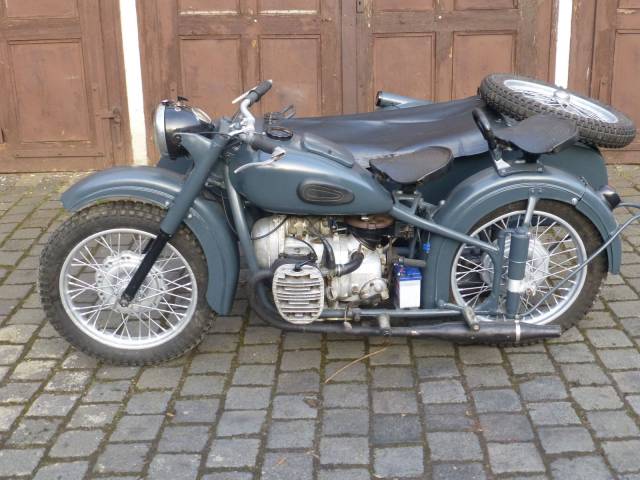
1958 | IMZ-Ural M72
M 72 M 61 Gespann Oldtimer mit BRD Brief
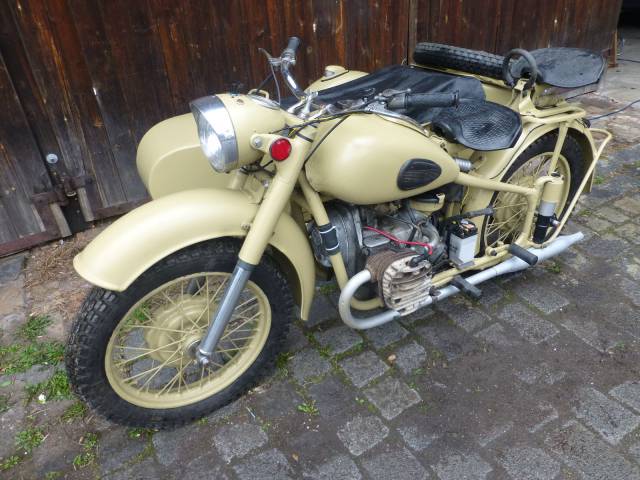
1961 | IMZ-Ural M72
M 72 M 61 Gespann Oldtimer mit BRD Brief

1960 | IMZ-Ural M72
M61/ M 72 fahrbereit deutsche Papiere!
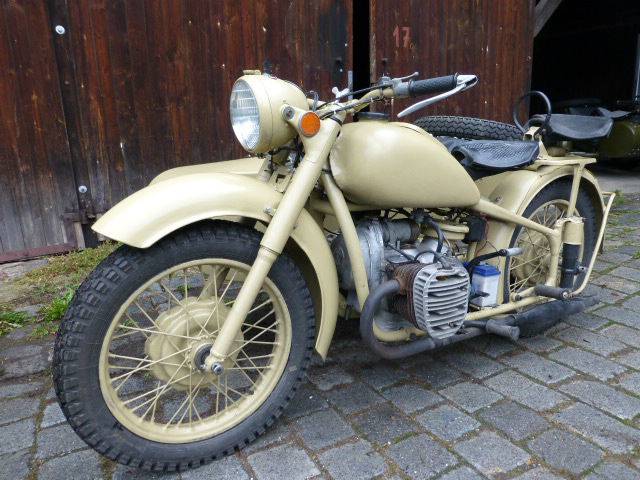
1960 | IMZ-Ural M61
M 72/ M 61 fahrbereit, restauriert, BRD Brief
Create search alert
Let yourself be notified as soon as a listing is published that matches your search filters.
Create listing
Do you have a IMZ-Ural that you want to sell? Then create a listing now.
Create listingHistory & Heritage
The story of IMZ-Ural is one of survival, adaptation, and a stubborn refusal to change a winning formula. It begins not in a design studio, but in the desperate pre-war planning of the Soviet Union. In 1939, despite the Molotov-Ribbentrop Pact, Joseph Stalin knew that conflict with Nazi Germany was inevitable. After witnessing the effectiveness of the German Blitzkrieg in Poland, the Red Army realised they lacked a mobile, heavy-duty ground vehicle for reconnaissance and troop transport. A secret meeting at the Soviet Ministry of Defence was convened to decide which motorcycle would serve the Motherland.
The choice was the BMW R71 – a robust, heavy sidecar outfit produced by the Wehrmacht between 1938 and 1941. The R71 was the last BMW model to feature a side-valve engine (750cc, 22 hp) and a tubular steel frame, which remains the blueprint for Ural and Dnepr models to this day. Why BMW? German engineering was considered the gold standard, and the R71 had proven its worth in European manoeuvres.
There are two versions of how the Soviets acquired the design. Version 1 suggests the Soviet Union purchased a licence directly from BMW, including the tooling and engineering expertise. Version 2 – more widely accepted by historians – claims that five BMW R71 units were purchased secretly in Sweden, smuggled into the USSR, and meticulously reverse-engineered. Every component was measured, wax moulds were made, and the bike was replicated without a licence. BMW themselves state that their documentation was lost during the war, so both versions remain part of the brand's mystique.
The result was the M-72, presented in August 1941. Stalin immediately authorised mass production. An order from the Council of People's Commissars on 4 March 1941 called for 50,000 units (38,000 with sidecars, 12,000 solos). Production initially began in Moscow, but as German bombers threatened the capital, the entire factory was evacuated in 1942 to Irbit, a town in the eastern foothills of the Ural Mountains. Located 200km east of Yekaterinburg, Irbit was rich in natural resources and safely out of reach of the Luftwaffe.
The name Ural is derived from this mountain range that separates Europe from Asia. Irbit became synonymous with Soviet motorcycle production, and the Irbit Motorcycle Works (IMZ) was born. The first M-72 was delivered to the Red Army in February 1942. By the end of the war in 1945, hundreds of thousands of M-72s had left the factories in Irbit and five other Soviet locations (including Kyiv and Gorky).
After World War II, IMZ transitioned to civilian production, though it retained the military-grade robustness. The M-72 remained in production until the mid-1950s, followed by evolved models like the M-61, M-63, and M-67, which introduced overhead-valve (OHV) engines. In 1953, exports began – first to Warsaw Pact nations, then to Africa, Asia, and Latin America. Ural outfits became the workhorses of the world, thriving in regions without paved roads: the Siberian tundra, Mongolian steppes, and the Andes.
In the 1990s, following the collapse of the Soviet Union, IMZ faced an existential crisis. State orders dried up, and Western markets demanded modern standards for emissions and safety. In 1998, Ural Motorcycles was established in the USA (now based in Woodinville, Washington) as a management firm to coordinate global distribution and modernise the product line.
2022 marked a major turning point. Following the invasion of Ukraine, Ural moved its entire production from Irbit to Petropavl, Kazakhstan. The brand publicly distanced itself from Russian politics to ensure its survival in Western markets. Today, Ural motorcycles are assembled in Kazakhstan, marketed from the USA, and sold in over 40 countries. With over three million outfits built since 1941, Ural remains the world's most prolific sidecar manufacturer.
Highlights & Features
A Ural is not just a motorcycle – it is a philosophy. While modern bikes chase top speeds and electronic rider aids, Ural focuses on unstoppable utility. The heart of every Ural is the air-cooled 749cc boxer-twin engine. Since 2021, this engine has been fuel-injected and Euro-5 compliant, but its character remains unchanged. It is designed for torque, not speed, providing the low-down grunt needed to pull a heavy sidecar through mud or snow. The horizontal layout keeps the centre of gravity low, which is vital for stability on three wheels.
Unlike other manufacturers who offer sidecars as an afterthought or an accessory, Ural is the only brand that builds outfits from the ground up. The sidecar is an integral part of the design, not an attachment. For the British market, Ural produces left-hand sidecar outfits (mounted on the left of the bike) to comply with UK road regulations and ensure the passenger is on the kerb side.
One of the most famous features is the selectable two-wheel drive (2WD) found on the Gear Up (often called the Ranger in the UK). A simple mechanical lever engages a driveshaft to the sidecar wheel, turning the outfit into a true off-road beast. Combined with a reverse gear integrated into the four-speed gearbox, the Ural can manoeuvre in tight spots where a solo bike would struggle.
The Leading-Link front fork (often called an Earles-type fork) is another hallmark. It handles the lateral forces of sidecar cornering far better than traditional telescopic forks, providing a more stable and comfortable ride on rough terrain. Every Ural comes with three 19-inch wire-spoke wheels that are completely interchangeable, plus a spare wheel mounted on the sidecar as standard.
The current model range for the UK includes:
- Ural cT: The entry-level, single-wheel drive model. It is lower, lighter, and designed for urban use and paved roads.
- Ural Gear Up (Ranger): The flagship 2WD model. It comes equipped for serious exploration with a luggage rack, spare wheel, and sidecar bumper.
- Limited Editions: Ural frequently releases themed models like the Sahara, Red Sparrow, or Expedition, featuring unique paint schemes and upgraded accessories.
The military DNA is evident in every weld. You will find a steel frame, a kickstarter for redundancy, and a toolkit that actually allows you to perform roadside repairs. Ural owners are often "spanner-handy" enthusiasts who appreciate the mechanical honesty of a machine that can be fixed with basic tools.
Technical Data
M-72 (1941-1960) - The Wartime Original
Modern Ural Gear Up / Ranger (2024-2025)
Ural cT (2025)
Market Overview & Buying Tips
The market for Ural motorcycles in Great Britain is a specialised niche, populated by sidecar enthusiasts, overland adventurers, and collectors of military history. Unlike the mass market for Japanese or European solo bikes, Urals hold their value remarkably well due to their rarity and the lack of direct competition. There are two distinct paths for a buyer: the classic Soviet-era machines (M-72, M-63, M-67) and the modern, fuel-injected outfits (2014 onwards).
UK Price Ranges (2024-2025)
New Ural Outfits: Expect to pay between £19,000 and £25,000 for a brand-new Ural in the UK. A standard Ural cT starts at approximately £17,500, while a fully equipped Gear Up (Ranger) with the Adventure Pack can easily exceed £22,000. Limited edition models or those with custom paint and accessories often reach the £24,000+ mark.
Modern Used Urals (2014-2023): These are the most desirable for those who actually want to travel. Prices for a well-maintained, fuel-injected Gear Up typically range from £10,000 to £16,000. A 2019 model with low mileage might fetch £13,500, while nearly new ex-demo bikes from dealers like Sidecar Experience or F2 Motorcycles are often priced around £18,000 - £19,500.
Classic M-72 & Early 750s (Pre-2000): Restored M-72s with genuine military provenance are rare in the UK and can command £8,000 to £12,000. Be cautious of "bitsa" bikes – machines assembled from various Ural and Dnepr parts. Early 750cc carburetted models from the early 2000s are the most affordable entry point, often found between £4,000 and £7,000, but they require more frequent maintenance and "tinkering".
What to Look for When Buying
1. The Sidecar Alignment: In the UK, the sidecar must be on the left-hand side for bikes registered after August 1981. Check the alignment carefully; if the bike pulls excessively to one side or the tyres show uneven wear, the "toe-in" or "lean-out" settings may be incorrect. Adjusting a sidecar is an art form, and a poorly set-up outfit is exhausting to ride.
2. Corrosion and Finish: Urals are built for utility, and the paint finish on older models (pre-2015) can be thin. Check the underside of the sidecar tub and the seams of the fuel tank for rust. Modern models have significantly better powder-coating and stainless steel components, but a bike used on salted UK winter roads will still require diligent cleaning.
3. The 2WD System: On Gear Up models, ensure the 2WD engages and disengages smoothly. It should only be used on loose surfaces (mud, snow, gravel). If a previous owner has used 2WD on dry tarmac, it can cause significant strain and damage to the final drive and driveshafts.
4. Service History: Urals require frequent oil changes (every 3,000 miles or 5,000 km). Check for a documented history, especially for the valve clearances and head bolt torquing, which are critical during the break-in period. Dealers like F2 Motorcycles in Wisbech are the UK's leading experts; a bike serviced by them is a good sign.
5. UK Legal Requirements: To ride a Ural outfit in the UK, you need a full Category A motorcycle licence. You cannot ride a large sidecar outfit on a CBT (Compulsory Basic Training) alone. Additionally, ensure the bike has a valid MOT. The MOT for a sidecar outfit includes specific checks for the attachment points, steering dampers, and the braking efficiency of the third wheel.
Parts & Specialist Support in the UK
The UK is well-served by a small but dedicated network. F2 Motorcycles is the longest-established Russian bike specialist in the country, offering a vast inventory of spares for both Ural and Dnepr. Sidecar Experience (based in the Cotswolds) is the primary importer for new machines and offers training courses – highly recommended for newcomers. Parts availability for modern Urals is excellent, with most components shared across the global market. For classic M-72s, you may need to tap into European networks or specialist forums like Soviet Steeds.
Riding Experience
Riding a Ural is nothing like riding a solo motorcycle. It is a physical, engaging, and occasionally counter-intuitive experience that requires you to relearn how to corner. On a solo bike, you lean; on a Ural, you steer. Because the sidecar is on the left (in the UK), the dynamics are specific: in a left-hand bend, the bike wants to "nose down" and the sidecar wheel stays firmly planted. In a right-hand bend, centrifugal force wants to lift the sidecar wheel off the ground – a sensation known as "flying the chair".
The 749cc boxer engine provides a rhythmic, low-frequency thrum that is incredibly relaxing. It doesn't like to be rushed. The sweet spot is around 50-55 mph, where the engine feels unstressed and the wind blast is manageable. While it can reach 65 mph, the Ural is a "slow-travel" machine. It encourages you to take the B-roads, enjoy the scenery, and stop for conversations at every petrol station.
The Leading-Link forks are a revelation on British country lanes. They soak up potholes and ruts that would unsettle a solo bike, and the steering remains light despite the weight of the outfit. Braking is surprisingly modern on newer models, with Brembo discs on all three wheels providing predictable stopping power. The rear brake pedal operates both the rear wheel and the sidecar wheel, helping to keep the outfit straight under heavy braking.
Off-road is where the Ural truly shines. Engaging the 2WD transforms the bike. It will crawl through deep mud, climb slippery slopes, and traverse snow-covered tracks with ease. The reverse gear is a godsend when you find yourself at the end of a narrow, dead-end lane.
For many British owners, the Ural is "therapy on wheels". It forces you to slow down and engage with the machine. There is a unique joy in carrying a passenger (or a dog) in the sidecar, sharing the adventure in a way that a pillion seat can never match. The Sidecar Federation and various UK clubs host rallies where the camaraderie is as rugged as the bikes themselves.
Design & Accessories
The design of a Ural is unapologetically functional. It is "honesty in steel". There are no plastic fairings to hide the mechanicals; the frame, engine, and suspension are all on display. The silhouette has remained largely unchanged since the 1940s, featuring the iconic round headlight, teardrop fuel tank, and the "boat-shaped" sidecar tub.
The British "Left-Hand" Configuration
For the UK market, the sidecar is mounted on the left. This isn't just a matter of bolting it to the other side; it requires a specific frame and a mirrored final drive for the 2WD models. This attention to detail ensures that the Ural handles correctly on British roads, where we drive on the left.
Accessories & Customisation
One of the joys of Ural ownership is the ability to customise the outfit. Popular accessories in the UK include:
- The Adventure Pack: Includes a front sidecar bumper, LED fog lights, a luggage rack, and a spare wheel.
- Windscreens: Both for the rider and the passenger. A tall windscreen on the sidecar makes long-distance touring much more comfortable for your companion.
- Heated Grips & Seats: Essential for the British climate.
- Canvas Covers: A "tonneau" cover for the sidecar keeps the interior dry when parked or when riding solo.
- Custom Paint: While OD Green and Black are classics, Ural offers a wide palette, including "Urban Camo" and "Terracotta".
The Limited Editions are highly sought after. The Sahara features a desert-sand matte finish and a full suite of off-road gear. The Red Sparrow offers a more urban, "spy-thriller" aesthetic with matte black paint and red accents. These models often become instant collectors' items in the UK.
Other Considerations
Military History & Re-enactment
The M-72 is a staple of the UK military re-enactment scene. Because it is an almost exact copy of the BMW R71, many M-72s are painted in Wehrmacht colours and used in World War II displays. However, there is a growing appreciation for the bike's own history as a Red Army veteran. A genuine, documented M-72 is a prize for any military vehicle collector.
Ural vs. Dnepr
In the UK, you will often see Dnepr motorcycles for sale alongside Urals. Dnepr was the Ukrainian counterpart, produced in Kyiv. While they share the same M-72 ancestry, they diverged in the 1960s. Dneprs often featured a semi-automatic gearbox and a different 2WD system (permanent rather than selectable). While Dneprs are often cheaper, they are no longer in production, making parts and support slightly more challenging than for the modern Ural.
The Kazakhstan Move
The relocation of production to Kazakhstan in 2022 was a bold move that saved the brand. For British buyers, this means that new Urals are fully legal, importable, and free from the sanctions that affect Russian-made goods. The quality control in the new Petropavl facility has been praised by international reviewers, ensuring that the "new" Urals are the best-built machines in the company's long history.
Summary
The IMZ-Ural is a magnificent anachronism. It is a machine that belongs to a different era, yet it finds a perfect home in the 21st century as an antidote to the complexity and speed of modern life. Whether you are looking for a classic M-72 to complete a military collection or a modern Gear Up to circumnavigate the globe, the Ural offers an experience that no other vehicle can match.
In the UK, the Ural community is small but incredibly passionate. From the workshops of F2 Motorcycles to the green lanes of the Peak District, these outfits continue to prove that three wheels are often better than two. They are rugged, charismatic, and endlessly capable.
Find your Ural on Classic Trader today. Whether it's for the school run, a trip to the Highlands, or a journey across continents, a Ural doesn't just take you to your destination – it makes the journey the entire point. Ural: For the road less travelled, and the adventures yet to be written.