Ducati 350 Sebring classic bike for sale
The Ducati 350 Sebring marked a turning point for Ducati in the 1960s, introducing the largest single-cylinder in the marque’s lineup at the time with its 340 cc bevel drive SOHC engine. It represents a distinctive chapter in Italian motorcycle engineering for those seeking an authentic riding experience from a truly rare and technically significant model.
Suchergebnisse
Zur Zeit sind keine passenden Inserate zu Ihrer Suche veröffentlicht.
Create search alert
Let yourself be notified as soon as a listing is published that matches your search filters.
Create listing
Do you have a Ducati 350 Sebring that you want to sell? Then create a listing now.
Create listingDucati 350 Sebring listing references from Classic Trader
Below you will find listings related to your search that are no longer available on Classic Trader. Use this information to gain insight into availability, value trends, and current pricing for a "Ducati 350 Sebring" to make a more informed purchasing decision.
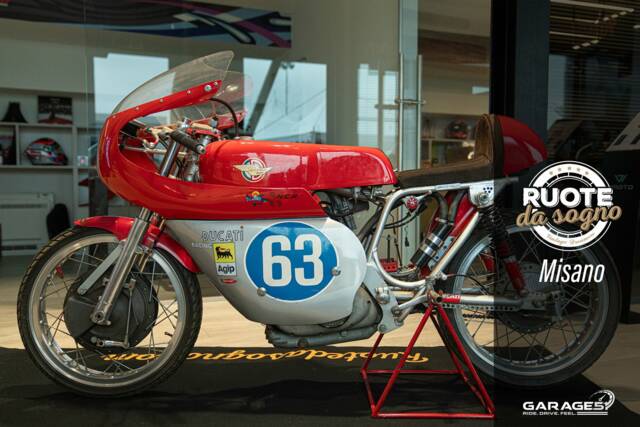
1968 | Ducati 350 Sebring
-
Create search alert
Let yourself be notified as soon as a listing is published that matches your search filters.
Create listing
Do you have a Ducati 350 Sebring that you want to sell? Then create a listing now.
Create listingDucati 350 Sebring Classic Motorbikes: Prices & Market Values
History of the Ducati 350 Sebring
When Ducati launched the Sebring in 1965, it stood at the forefront of their move into higher-capacity single-cylinder motorcycles. The 350 Sebring used a 340 cc engine with bevel drive and single overhead cam, a layout that underpinned Ducati’s technical philosophy of the era. Production ran until 1968, as Ducati responded to enthusiasts’ appetite for more displacement and advanced engineering. In its brief production window, roughly 3,500 Sebrings left the factory. While the original run ended in 1967, a small batch of just over 200 units with the updated 'wide case' engine appeared in 1968, making these later versions especially noteworthy for collectors.
Model History
The Ducati 350 Sebring was developed to fill a gap above the marque’s smaller singles, providing a torquier ride and a more substantial presence. Its predecessor in philosophy was the smaller Ducati singles, which fostered the company's early reputation for advanced engineering in lightweights. The Sebring was succeeded by models like the Ducati Mark 3, particularly the 'wide case' variants, which evolved the platform with further chassis development and refinement.
Highlights of the Ducati 350 Sebring
One of the main technical highlights is the bevel drive SOHC engine, which was at the time the largest Ducati produced. The Sebring is also notable for its limited production run—especially the final batch of 200+ 'wide case' models in the last year. These details contribute to its celebrated status among knowledgeable Ducati enthusiasts.
Technical Data
Special Editions and Collectible Models
Among the Sebring run, the 1968 ‘wide case’ examples—just over 200 produced—stand out for their updated engine cases, which improved durability and are prized by collectors for their rarity and technical enhancement over the original design.
Weak Spots and Common Issues
While no detailed records of common faults have been specifically documented, buyers of 1960s Ducati singles should always assess the condition of the bevel drive, check for proper valve clearance, and inspect for signs of oil seepage. Given the age and engineering, assessing the integrity of rubber components and electrics is advised.
Engine & Performance, Transmission and Handling
The 350 Sebring delivers a torque-rich, authentic single-cylinder experience. Thanks to its bevel drive SOHC design, it offers responsive throttle and a mechanical character unique to 1960s Italian motorcycles. Handling is characterised by a lightweight chassis, offering nimble feedback and a surprisingly direct road feel for a machine of this capacity and era. Especially sought after are the late 1968 wide case examples, which combined the Sebring's displacement with structural improvements, offering slightly better handling and reliability.
Interior, Comfort, Exterior and Design
The Ducati 350 Sebring carries the hallmarks of 1960s Italian motorcycle styling—with a slim, purposeful fuel tank, solo saddle, and exposed engine. Signature design elements include the elegant finned engine casings and period-correct paint finishes. While basic by modern standards, the design prioritises mechanical honesty and functional beauty. Minimal instruments and controls reflect the era’s sporting intent. Loading with accessories was rare, favouring lightweight form and clean lines.
Other Features
Owing to its limited production and specific target audience, the 350 Sebring is best approached by those with an appreciation for mid-1960s Ducati mechanics and the practical demands of vintage bike ownership.
Summary
The Ducati 350 Sebring occupies an important niche in Ducati’s history, representing both the firm’s engineering boldness and their evolution into higher-displacement singles in the mid-1960s. Built in limited numbers, with particularly collectable final ‘wide case’ versions, it stands out on the classic market as a connoisseur’s machine, combining mechanical distinctiveness with genuine rarity.