- Motorcycle
- Demm (4 offers)
Buy Demm Motorcycles
From precision gear manufacturing to record-breaking mopeds: Demm has defined Italian small-capacity engineering since 1919. With 24 world speed records and a cult following in the UK Mod scene, these Milanese machines offer a unique entry into the world of classic Italian motorcycling.
Search results
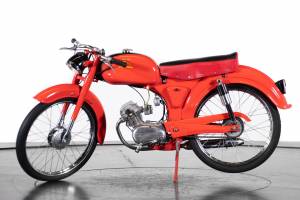
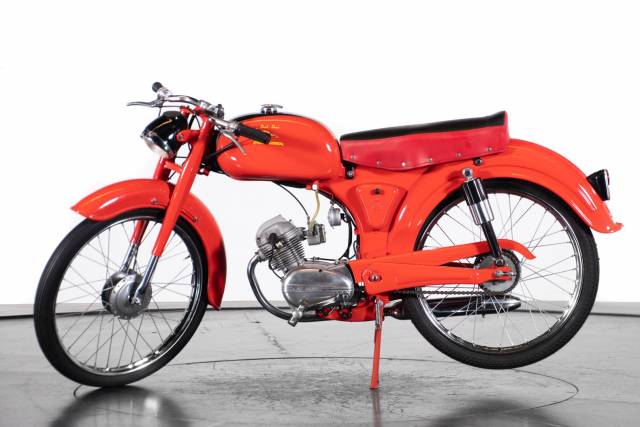
1956 | Demm Dick Dick
DICK DICK SPORT !!! YEAR 1959 !!

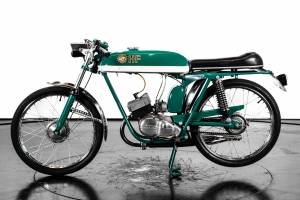
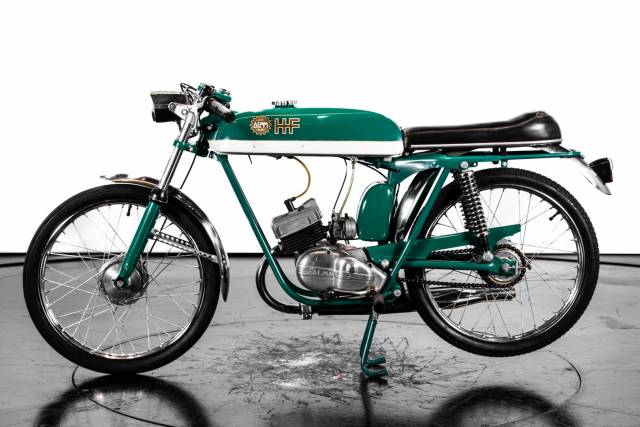
1971 | Demm HF 50
SUPER SPORT HF
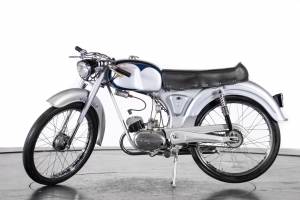
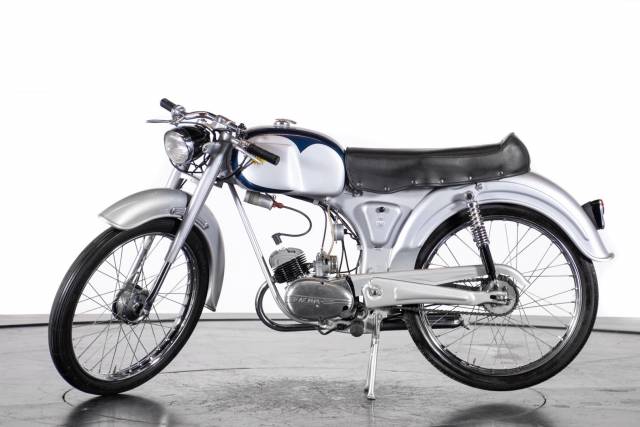
1962 | Demm Sport Lusso
Very rare . Super restoration
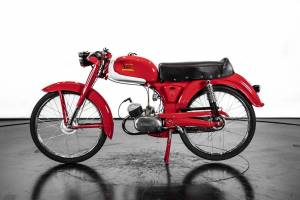
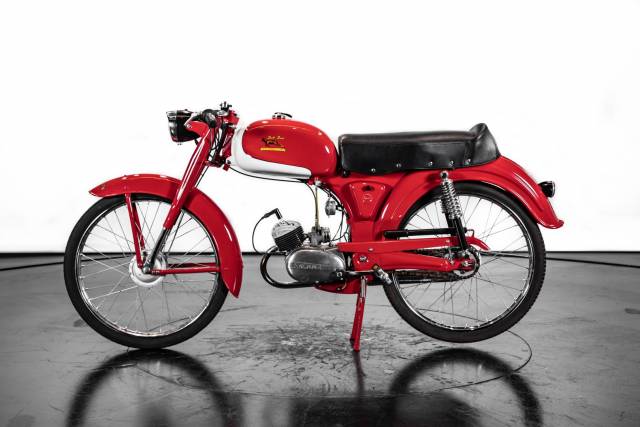
1959 | Demm Dick Dick
PRISTINE !
Newsletter
The best Demm listings, straight to your inbox
Get hand-picked Demm listings, plus the best of cars, motorbikes, and auctions on Classic Trader — all in one place.
Demm listing references from Classic Trader
Below you will find listings related to your search that are no longer available on Classic Trader. Use this information to gain insight into availability, value trends, and current pricing for a "Demm" to make a more informed purchasing decision.
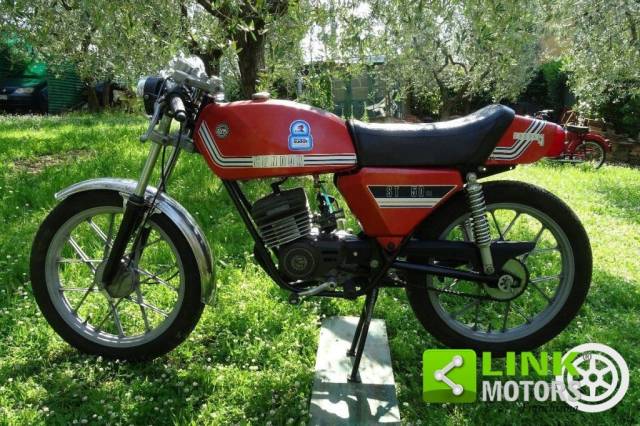
1978 | Demm Condor ST 50
DEMM Condor-ST-50
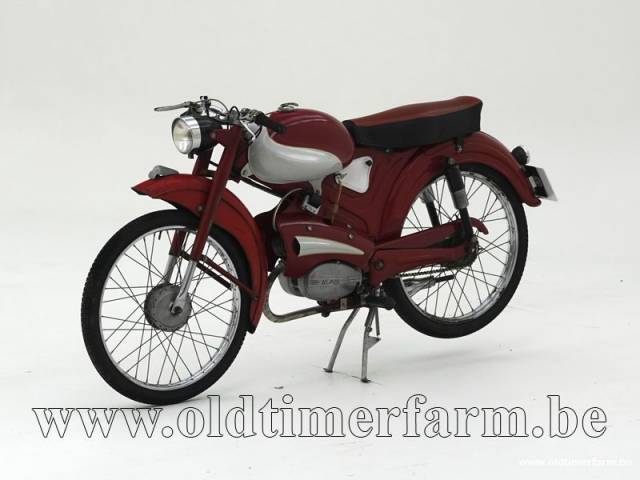
1961 | Demm Unificato Sport
1961 Demm Unificato '61

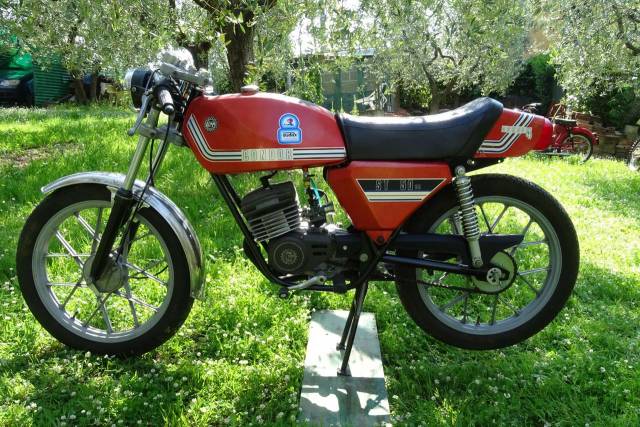
1978 | Demm Condor ST 50
ALTRE MOTO O TIPOLOGIE Special DEMM CONDOR ST 50
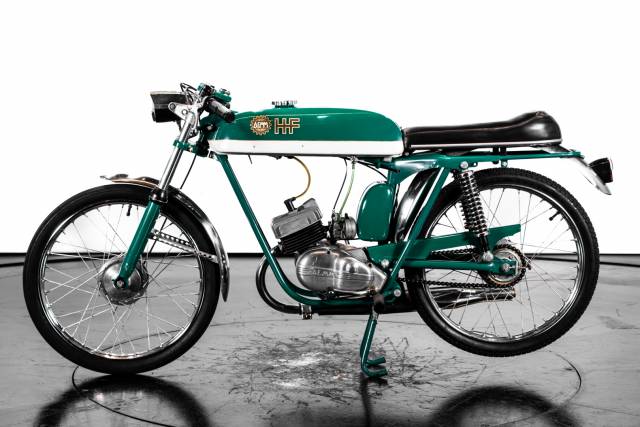
1970 | Demm HF 50
-
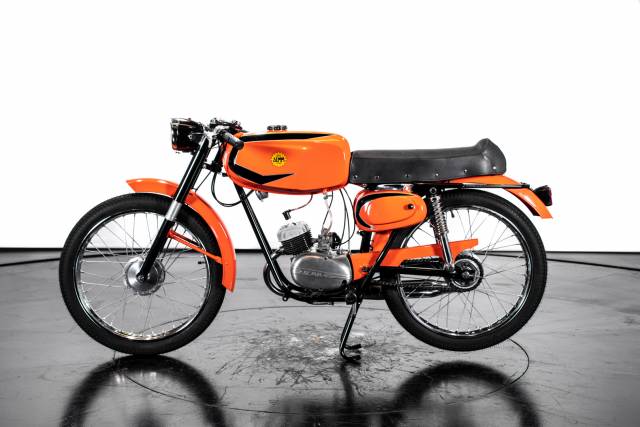
1968 | Demm Super Sport Export
-
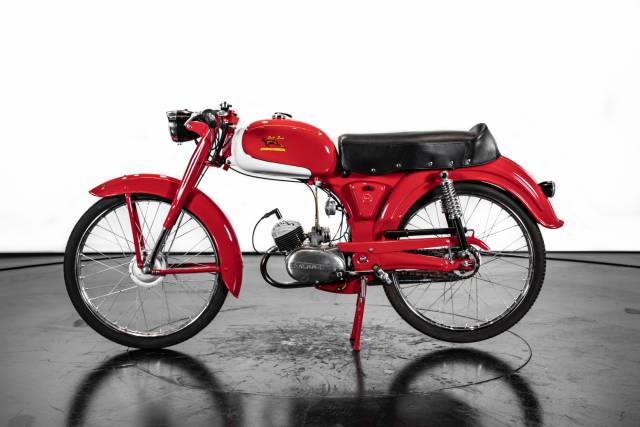
1959 | Demm Dick Dick
-
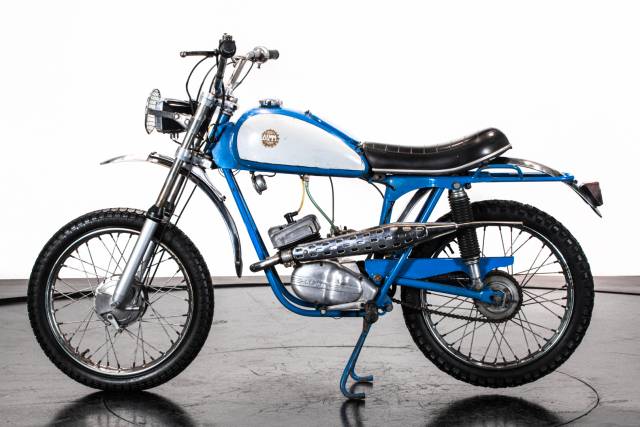
1972 | Demm HF 50
-
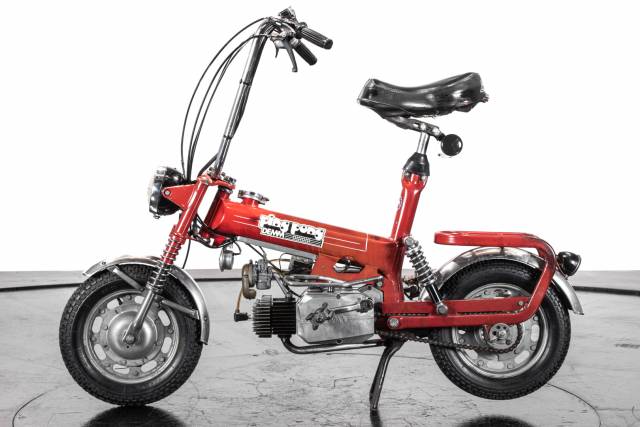
1972 | Demm Ping Pong
-
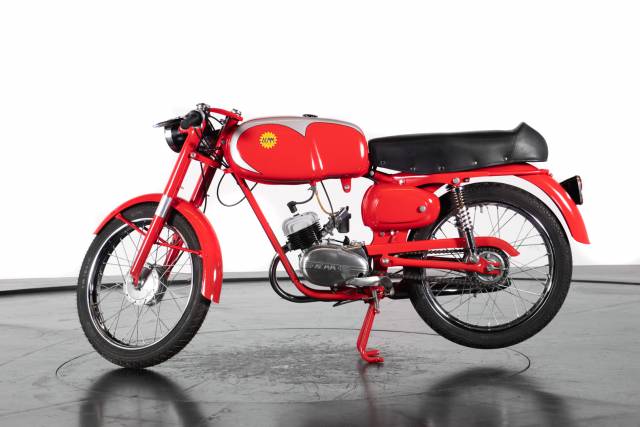
1963 | Demm 50 Sport Special
-
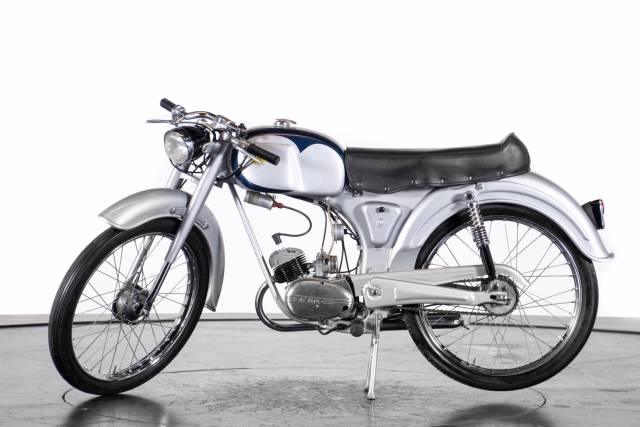
1961 | Demm 50 Sport Special
-
History & Heritage
The story of DEMM (Daldi e Matteucci Milano) is a classic tale of Italian industrial diversification. Founded in 1919 by brothers Giacomo and Luigi Matteucci alongside Giacomo Daldi, the company initially established itself as a premier supplier of automotive gears and precision instruments. It wasn't until the post-war period, specifically 1952, that the factory in Porretta Terme began producing the lightweight motorcycles and mopeds that would eventually capture the imagination of enthusiasts across Europe, including a discerning British audience.
Whilst many Italian marques focused on larger displacements, Demm carved out a niche in the 50cc and 125cc sectors. Their engineering pedigree was evident from the start; unlike many competitors who used cast-iron components to save costs, Demm utilised aluminium crankcases for their 50cc engines as early as the mid-1950s. This commitment to quality made them a favourite for those who valued technical sophistication over mass-market ubiquity.
The brand's international reputation was cemented in 1956 when Demm set an astonishing 24 world speed records in the 50cc class at the Monza circuit. This feat wasn't just a marketing stunt; it proved that small-capacity engines could be engineered for extreme performance and reliability. For the British market, this racing success resonated with the burgeoning Mod culture of the 1960s. Whilst Vespa and Lambretta were the primary choices for the style-conscious youth in London and Brighton, the more mechanically minded "Mods" often looked towards Italian sports mopeds like the Demm Dick Dick or the Sport Lusso to stand out from the crowd.
Throughout the 1960s and 70s, Demm continued to innovate, producing a vast array of models including the HF 50 Supersport, Smily, and the curiously named Ping Pong. They even ventured into the American and Australian markets with specific export models. However, by the late 1980s, the shifting landscape of the motorcycle industry led Demm to cease bike production in 1988, returning to their roots in gear manufacturing and industrial transmissions. Today, the Demm Museum in Porretta Terme serves as a pilgrimage site for collectors, preserving the legacy of a brand that proved size isn't everything when it comes to Italian soul.
Highlights & Features
Demm motorcycles are often described as "jewels of Italian engineering." What sets them apart from the sea of post-war lightweights is the level of detail found in their construction. Even their most basic mopeds often featured components that would look more at home on a full-sized racing machine.
One of the most significant highlights is the Dick Dick series. Named after the agile African antelope (the Dik-dik), this model range was incredibly diverse. It featured everything from 48cc four-stroke OHV engines to high-revving two-strokes. The Dick Dick 3-speed and the Velomatic automatic versions were particularly popular. The use of overhead valves (OHV) in such a small displacement was a rarity at the time, offering a level of refinement and fuel efficiency that few two-stroke rivals could match.
For the performance enthusiast, the HF 50 Supersport represents the pinnacle of Demm's road-going 50cc machines. With its aggressive styling, clip-on handlebars, and rear-set footpegs, it perfectly captured the "Café Racer" aesthetic that was so prevalent in the UK during the 1970s. These bikes weren't just about looks; they were capable of surprising speeds for their size, often outperforming larger, more cumbersome British commuters of the era.
Another standout feature is the Velomatic transmission. Introduced in the early 1960s, this centrifugal automatic clutch system was designed to make urban commuting effortless. Whilst it lacked the raw engagement of a manual gearbox, it showcased Demm's willingness to experiment with rider comfort and accessibility. In the modern collector market, a well-preserved Velomatic is a fascinating curiosity that demonstrates the transition from utility to leisure in motorcycling history.
The aesthetic appeal of Demm bikes cannot be overstated. They embody the optimistic design language of the 1950s and 60s—think two-tone paint schemes, generous helpings of chrome, and elegantly sculpted fuel tanks. The Sport Lusso model, with its polished aluminium engine covers and sporty silhouette, remains one of the most beautiful small-capacity motorcycles ever produced. For a British collector, owning a Demm is as much about owning a piece of Italian mid-century design as it is about the ride itself.
Technical Data
The following tables provide a snapshot of the technical specifications for some of the most sought-after Demm models in the UK collector market.
Demm Dick Dick 48cc (1959-1964)
Demm HF 50 Supersport (1971)
Demm Sport Lusso (1960)
Racing Machines (50-79cc)
Market Overview & Buying Tips
The market for Demm motorcycles in Great Britain is highly specialised and can be described as a "niche within a niche." Unlike more mainstream Italian brands such as Ducati or Moto Guzzi, Demm rarely appears in high-street showrooms. Instead, they are the preserve of dedicated collectors and enthusiasts who frequent specialist auctions and classic bike shows like the Stafford Classic Bike Show.
Price Ranges (2024-2025 Estimates)
Dick Dick / Sport Lusso (Restored): £1,200 – £3,500 A beautifully restored Dick Dick with the Velomatic gearbox recently fetched £1,265 at an H&H Classics auction. Higher prices are reserved for the Sport Lusso or rare four-stroke variants in concours condition. Unrestored projects can be found for as little as £600, but be warned: the cost of sourcing missing original parts can quickly exceed the bike's final value.
HF 50 Supersport / Racing Models: £1,800 – £4,500 The "sportier" Demms command a premium. An HF 50 Supersport in excellent condition sold for £3,220 at Iconic Auctioneers in early 2025. Genuine racing machines with documented history or the rare DOHC (Double Overhead Cam) engines can easily surpass the £4,000 mark, though these are exceptionally rare in the UK.
Export & Utility Models (Smily, Scout): £700 – £1,800 These are often seen as entry-level classics. They are robust and charming but lack the "jewel-like" appeal of the earlier sports models.
What to Look for When Buying
Engine Condition: The four-stroke OHV engines are remarkably sturdy, but parts for the valve train are difficult to find. Listen for excessive tapping or smoke. The two-stroke engines often used Minarelli components, which is a blessing for the UK owner as Minarelli parts are far more accessible than bespoke Demm items. If you are looking at a DOHC model, ensure you have access to a specialist machinist; these are complex engines that require expert care.
The Velomatic Gearbox: The centrifugal clutch in the Velomatic system is a known weak point. If it slips excessively or fails to engage smoothly, you may be looking at a very difficult repair. Always test the transmission under load if possible.
Frame and Bodywork: Demm used a mix of steel and aluminium. Check the aluminium components for "white rust" or stress fractures, particularly around the engine mounts. Original chrome fenders and tanks are highly prized; re-chroming to a high standard in the UK can be expensive, so factor this into your offer.
Originality vs. Practicality: Finding a 100% original Demm is nearly impossible. Many have been fitted with Dell'Orto carburettors from other Italian bikes or had their ignition systems upgraded to 12V for reliability. In the UK, these modifications are generally accepted and even encouraged if the bike is intended for road use. However, ensure that the "soul" of the bike—the tank badges, seat profile, and paint scheme—remains faithful to the original.
Documentation: Many Demms were imported privately from Italy or the US without proper paperwork. Registering a "barn find" with the DVLA can be a bureaucratic headache. Look for bikes that already have a V5C logbook or at least a dating certificate from a recognised club like the Vintage Motor Cycle Club (VMCC).
Parts Availability in the UK
This is the biggest challenge for any Demm owner. Since the company stopped bike production in 1988, there is no official parts support.
- Consumables: Tyres (often 2.00 x 19), chains, and spark plugs are easily sourced from UK suppliers like Wemoto.
- Specialist Parts: You will need to become familiar with Italian eBay (eBay.it) and specialist forums like Moped Army.
- The Demm Museum: The museum in Porretta Terme is sometimes able to provide technical drawings or advice, but they do not sell spares.
- Networking: Joining the Classic Racing Motorcycle Club (CRMC) or attending the Goodwood Revival can put you in touch with other owners who may have "stashed" spares.
Riding Experience
Riding a Demm is an exercise in "slow-motion excitement." It is a visceral experience that reminds you why you fell in love with motorcycling in the first place.
On a Dick Dick 48cc, the experience is surprisingly civilised. The four-stroke engine has a rhythmic, almost musical thrum that is far removed from the "angry wasp" sound of a typical two-stroke moped. Acceleration is leisurely—you won't be winning any drag races away from the lights in central London—but once up to its cruising speed of 25-28 mph, the bike feels stable and remarkably refined. The upright riding position and narrow tyres make it incredibly agile, perfect for navigating the narrow lanes of the Cotswolds or the Peak District.
Switch to an HF 50 Supersport, and the character changes completely. This is a bike that wants to be thrashed. The two-stroke engine needs to be kept "on the pipe" to make any real progress, and the 4-speed gearbox requires frequent, positive shifts. Tucked behind the small flyscreen, with your chin near the tank, 40 mph feels like 100 mph. It vibrates, it screams, and it demands your full attention. It is the perfect tool for a Sunday morning "blast" to a local biker café.
The handling across the range is typical of Italian lightweights: sharp and communicative. Because the bikes are so light (often under 40 kg), you don't steer them so much as "think" them into a corner. However, the period suspension is basic. On Britain's often-potholed roads, a Demm will let you know exactly what the surface is like. It requires a sympathetic rider who can read the road ahead and avoid the worst of the bumps.
Ultimately, riding a Demm is about the connection. There are no rider aids, no fuel gauges, and often no indicators. It is just you, a tiny piston, and the open road. It is a reminder that you don't need 200 horsepower to have a memorable ride; sometimes, 1.4 bhp is more than enough.
Design & Accessories
The design philosophy of Demm was rooted in the idea that a small bike should be just as beautiful as a large one. This "miniaturised elegance" is what makes them so attractive to modern collectors.
The visual language is unmistakably Italian. The fuel tanks are often the centrepiece, featuring teardrop shapes and recessed knee grips. The use of two-tone paint—frequently combining a vibrant red or blue with a creamy white—gives the bikes a classic, timeless look. The Demm logo, often featuring stylized wings, is a masterpiece of mid-century graphic design.
Chrome was used liberally, not just for decoration but to highlight the bike's mechanical components. Polished aluminium engine cases were a hallmark of the brand, reflecting the company's background in precision machining. On models like the Sport Lusso, the contrast between the painted frame, the chrome brightwork, and the polished metal creates a stunning visual texture.
In terms of accessories, Demm owners in the 1960s often added period-correct items to personalise their rides.
- Leg Shields: Common on the more utility-focused models to protect the rider from the British weather.
- Rear Racks: Often fitted with a small leather tool roll or a wicker basket for "the Sunday shop."
- Flyscreens: A popular addition to the sports models, giving them a more purposeful, racing look.
- Exhausts: Many owners fitted "expansion chambers" to the two-stroke models to eke out a few more miles per hour and a more aggressive sound.
For the modern restorer, finding these original accessories is a quest in itself. A genuine period-correct leg shield or a branded rear rack can add significant value to a bike. Many UK owners now use 3D printing to recreate missing plastic trim pieces or badges, blending modern technology with classic design.
Other
Racing Heritage & The UK Scene
Demm's racing pedigree is a vital part of its allure. Beyond the 24 world records at Monza, the brand was a regular sight in Italian hill climbs and street races. In the UK, this heritage is kept alive by the Classic Racing Motorcycle Club (CRMC). You will occasionally see Demm-powered machines competing in the 50cc classes at circuits like Castle Combe or Donington Park. These racing versions are often highly modified, using modern ignition systems and bespoke exhausts, but they still carry the spirit of the original 1950s record-breakers.
The Mod Connection
Whilst the "Scooter Boys" had their Vespas, a subset of the Mod movement preferred the "Sports Moped." A Demm Dick Dick parked outside a club in Soho in 1964 would have been a statement of individuality. It suggested that the owner cared as much about the "machinery" as they did about their tailored suit. This cultural link makes Demm a popular choice for participants in modern-day Mod rallies and "Ride-outs" across the UK.
Export Markets: The "Ping Pong" and Beyond
The names Demm chose for their export models often reflected the playful nature of the brand. The Ping Pong was a folding moped designed for the American market, intended to be carried in the boot of a car or on a boat. Whilst rare in the UK, a few have made their way over as private imports. They are a fantastic conversation starter at any classic vehicle meet.
Summary
Demm is a brand for the connoisseur of Italian engineering. It is for the person who appreciates the complexity of a 48cc four-stroke engine and the beauty of a hand-painted tank badge. In the British market, owning a Demm is a badge of honour; it shows a willingness to look beyond the obvious choices and a commitment to preserving a rare piece of motorcycling history.
The market is stable but small. Prices for the best examples are rising as collectors realise that these "jewels" are far rarer than their more famous counterparts. Ersatzteilverfügbarkeit (parts availability) remains the biggest hurdle, but for many, the hunt for parts is part of the fun.
Whether you are looking for a Dick Dick to potter around the village, an HF 50 Supersport for a spirited Sunday ride, or a racing machine to compete in classic events, Demm offers a unique and rewarding experience. It is a brand that proves that Italian passion and precision can be found in the smallest of packages.
Find your Demm on Classic Trader today—and discover why, for over 70 years, these Milanese marvels have been punching well above their weight.