- Motorcycle
- Aero Caproni (1 offer)
Buy Aero Caproni Classic Motorcycles
Experience the intersection of aviation engineering and Italian craftsmanship with the Capriolo. These rare post-war lightweights offer a unique technical heritage for the discerning British collector.
Search results
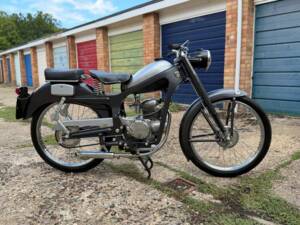
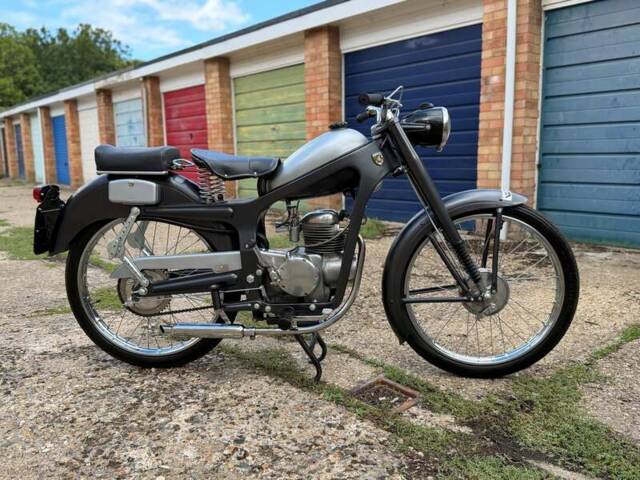
1951 | Aero Caproni Capriolo 75
1951 Capriolo 75 Sport 74cc

Aero Caproni listing references from Classic Trader
Below you will find listings related to your search that are no longer available on Classic Trader. Use this information to gain insight into availability, value trends, and current pricing for a "Aero Caproni" to make a more informed purchasing decision.
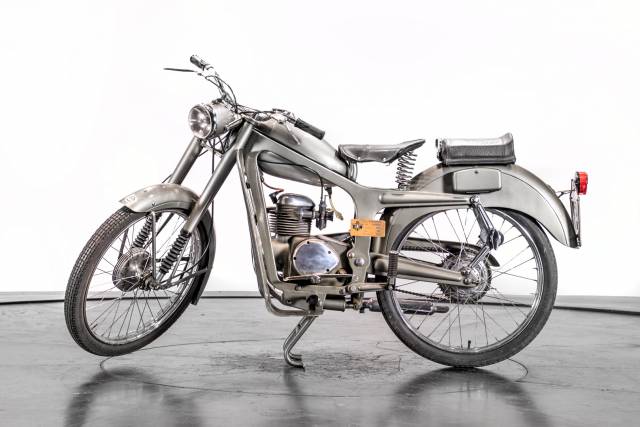
1955 | Aero Caproni Capriolo 75
-

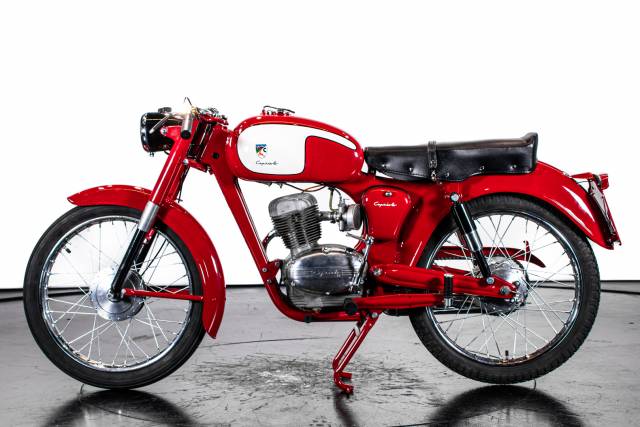
1959 | Aero Caproni Capriolo 75
-
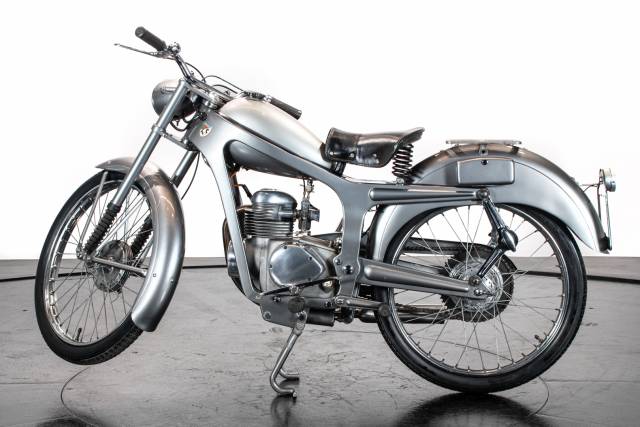
1955 | Aero Caproni Capriolo 75
-
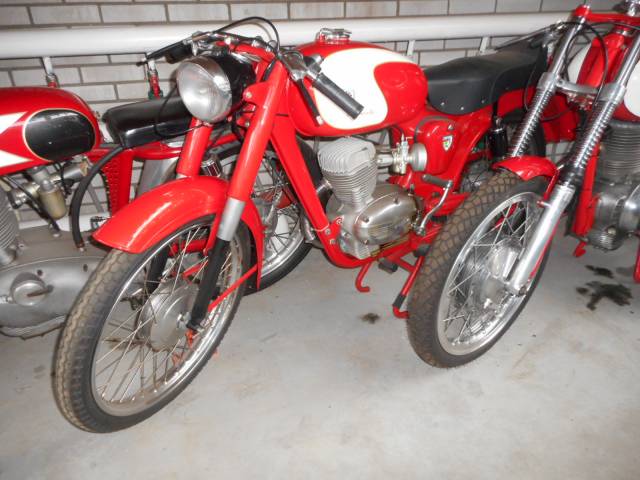
1958 | Aero Caproni Capriolo 75
TV 75CC

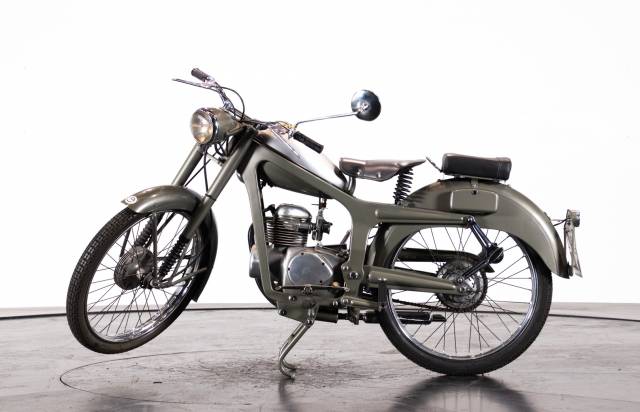
1962 | Aero Caproni Capriolo 75
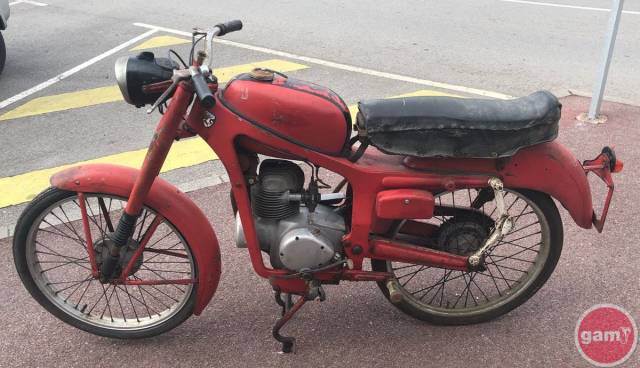
1961 | Aero Caproni Capriolo 75
Lot 193

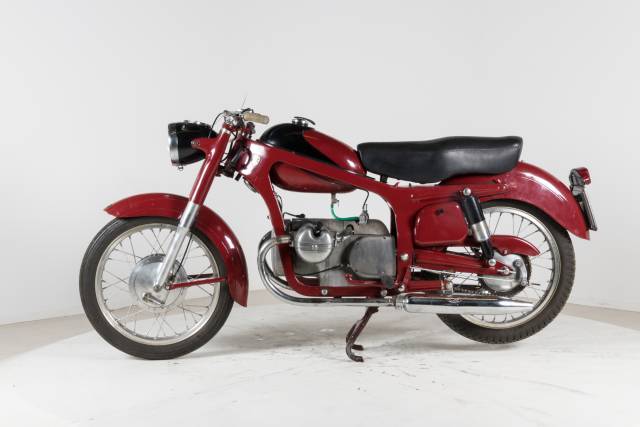
1955 | Aero Caproni Capriolo 150
History & Heritage
The story of Aero Caproni is a testament to the resilience and ingenuity of Italian industrial spirit in the mid-twentieth century. To understand the motorcycles, one must first understand the man behind the name. Gianni Caproni, born in 1886 in Massone d'Arco, was a visionary aeronautical engineer whose impact on aviation history was profound. Before he ever considered two-wheeled transport, Caproni was building some of the most advanced aircraft in the world. His company, founded in 1908, provided the Allied forces with heavy bombers during the First World War. Even the US Army Air Corps relied on Caproni designs for its first heavy bomber squadron in 1918.
Following the Second World War, the landscape for Italian industry shifted dramatically. The Allied victors imposed strict prohibitions on the production of military aircraft in Italy. This left massive industrial complexes like the Aero-Caproni S.p.A. plant in Trento without their primary purpose. In a move mirrored by other contemporary giants such as Aermacchi, MV Agusta, and even Ducati, Caproni turned his attention to the urgent need for affordable civilian transportation.
Between 1947 and 1948, the engineers at the Arco factory began experimenting with small engines. This period of transition is fascinating for enthusiasts because it marks the direct connection between Caproni and the early days of Ducati. Before Ducati became a household name for motorcycles, they produced the Cucciolo auxiliary engine. Aero Caproni was contracted to build the frames for the early Ducati Cucciolo T3 and the Ducati 60. This collaboration suggests a level of engineering respect between the two firms that many modern riders might not realise.
The true birth of the Capriolo brand occurred in the summer of 1950 at the XXIX International Motorcycle Show in Milan. Here, the company unveiled the Capriolo 75. The name, meaning roe deer in Italian, was chosen to evoke the agility and grace of the alpine deer found in the Trentino mountains surrounding the factory. It was a sophisticated machine, designed not just for utility but with the precision of aircraft manufacturing.
Production initially took place in Arco and later moved to Gardolo, near Trento. The company operated under the Aero Caproni name until 1957. After the death of Gianni Caproni that year, the firm was reorganised as Aeromere (Aero Meccanica Regionale S.p.A.). Production continued under this new banner until the mid-1960s. At its peak, the factory employed around 500 people, producing thousands of units that are now highly sought after by collectors who appreciate the technical oddities of the era.
Today, the legacy of these machines is preserved by the Registro Storico Capriolo and the Gianni Caproni Aeronautical Museum in Trento. For a British collector, owning a Capriolo is not just about having a vintage Italian bike. It is about owning a piece of aviation history that was forced onto the road by the circumstances of post-war Europe.
Highlights & Key Models
The Aero Caproni catalogue, though focused on small displacements, is filled with technical gems that distinguish it from the flood of post-war Italian lightweights. The most significant model is undoubtedly the Capriolo 75, produced from 1951 to 1957. This bike was the foundation of the brand's reputation. Its 75cc four-stroke engine featured a face-cam overhead valve system, a radical departure from conventional camshaft designs. This "disco a camme" system used a flat disc with cam lobes on its face to actuate the valves, a solution that reduced the height of the cylinder head and added to the bike's unique mechanical character.
In 1952, the company introduced the Capriolo 75 Sport. This version pushed the output from the standard 3.5 horsepower to 4.5 horsepower. It featured a more aggressive exhaust and carburettor setup, making it a favourite for privateers in long-distance races like the Milano-Taranto and the Motogiro d'Italia. The Sport models are particularly prized today for their elegant lines and historical racing pedigree.
As the 1950s progressed, Caproni expanded the range to meet the demand for larger engines. The Cento 50 and Capriolo 150 variants arrived in 1953, offering more power for those tackling longer journeys or steeper alpine passes. However, the 125cc class eventually became the sweet spot for the Italian market. The Capriolo 125 Gran Turismo and Deluxe models, produced between 1956 and 1964, represented the pinnacle of the firm's regular production. These bikes could reach speeds of 100 km/h, making them genuinely capable tourers for their time.
Perhaps the most enigmatic of all Caproni motorcycles is the horizontal flat twin 149cc. Released in 1955, this boxer twin was an engineering tour de force but proved too expensive and complex for mass production. Only a very limited number were built, and they remain some of the rarest Italian motorcycles in existence. Finding one today is a major event for the global collecting community.
Aero Caproni also engaged in a unique partnership with the German firm NSU. Between 1953 and 1959, the Caproni-Vizzola line featured bikes equipped with NSU engines. The Cavilux and Cavimax models were essentially Italian-styled machines powered by the reliable OHC engines from the NSU Max. This hybrid approach allowed Caproni to offer a 250cc class machine without the massive investment required to develop a new engine from scratch.
Finally, one cannot discuss Capriolo without mentioning the desmodromic connection. Long before Fabio Taglioni made the desmodromic valve system synonymous with Ducati, Capriolo experimented with the Küchen desmodromic system in their competition models. This system, which uses mechanical means to both open and close the valves without springs, is a point of immense pride for Capriolo enthusiasts and a vital link in the history of high-performance engine design.
Technical Data
The technical specifications of Aero Caproni motorcycles reflect the aircraft-grade precision of their Trento factory. The integration of the fuel tank into the pressed steel frame was a hallmark of their design philosophy, providing both structural rigidity and a clean aesthetic.
The face-cam system used in the 75cc models is particularly noteworthy. Unlike a traditional camshaft that sits horizontally or vertically with lobes pushing on followers, the face-cam uses a disc mounted at the top of a vertical shaft. The lobes are on the face of this disc, which rotates and actuates the rockers. This compact arrangement was incredibly efficient for a small-capacity four-stroke, allowing the Capriolo 75 to punch well above its weight in terms of reliability and sustained high-RPM performance.
Market Overview & Buying Tips
For the British collector, the Aero Caproni market is an exercise in patience and Continental networking. These motorcycles were never officially imported to the United Kingdom in significant numbers during their production years. Most examples currently in Britain have been brought over by private enthusiasts or specialist importers in recent decades.
In the current market (2024/2025), a Capriolo 75 in good, rideable condition typically commands between £2,100 and £3,400. The Sport versions, which are more desirable for events like the Motogiro, can fetch towards the higher end of that range or even more if they have documented period racing history. The 125 Gran Turismo is slightly more expensive, reflecting its greater usability on modern roads. A good 125 GT will usually sit in the £3,300 to £5,000 bracket. The horizontal flat twin is so rare that it effectively has no fixed market price. If one were to appear at a UK auction, it could easily exceed £10,000 depending on its originality.
When looking to buy, sourcing from Italy is often the most viable route. Websites like Classic Trader provide the bridge to Italian sellers who may be parting with long-held family heirlooms. However, buying a bike from the Continent requires careful consideration of import duties and registration. Since these bikes are well over 40 years old, they are usually exempt from many modern emissions regulations, but you will still need to handle the HMRC NOVA (Notification of Vehicle Arrivals) process.
Technical inspections are critical. The face-cam engine is a masterpiece, but it is also a specialist piece of equipment. Most general vintage bike mechanics in the UK will have never seen one. You should look for evidence of specialist servicing or contact the Registro Storico Capriolo in Italy for advice. The pressed steel frames are another area of concern. Unlike tubular frames, which are relatively easy to repair, a rusted or cracked pressed steel frame is a structural nightmare. Check the areas around the integrated fuel tank for signs of internal corrosion or previous shoddy weld repairs.
Spare parts are the greatest challenge for the British owner. There is no domestic parts supply for Aero Caproni. Almost every gasket, valve, or trim piece will need to be sourced from Italy. This is where membership in the Italian owners' clubs becomes invaluable. Many parts are now being reproduced in small batches by enthusiasts in the Trentino region. Before committing to a purchase, ensure the bike is as complete as possible. Missing original trim pieces, like the specific Capriolo badges or the unique headlamp shells, can be nearly impossible to replace.
Riding Experience
Riding a Capriolo 75 is an exercise in mechanical empathy. It does not offer the raw power of a British 500cc twin or the frantic buzz of a Japanese two-stroke. Instead, it provides a rhythmic, precise experience that feels closer to operating a fine watch than a piece of heavy machinery. The face-cam engine has a distinct acoustic signature. It lacks the heavy thumping of a pushrod engine, replaced by a delicate mechanical whir that reflects its aviation heritage.
On the road, the bike feels incredibly light. Weighing only about 75 kg, the Capriolo 75 is exceptionally agile. It was designed for the narrow, winding roads of the Italian Alps, and it thrives in corners. The pressed steel frame provides a level of rigidity that often surprises those used to the flex of contemporary tubular designs. There is a sense of directness in the steering that makes even a trip to the local shop feel like a stage of the Motogiro.
The 125 Gran Turismo offers a more substantial experience. With a top speed of 100 km/h, it can keep up with modern urban traffic, though it is much happier on B-roads where its handling can shine. The four-speed gearbox is generally precise, but it requires a deliberate touch. These are machines that reward smooth inputs. If you try to rush a Capriolo, it will protest. If you flow with it, you will find a level of balance and poise that is rare in such small-displacement vintage motorcycles.
For the rider, there is also the social aspect. In the UK, showing up at a bike meet on a Capriolo is a guaranteed conversation starter. Most enthusiasts will recognise the Italian lines but will be stumped by the badge. Explaining the aviation history and the face-cam mechanism is part of the joy of ownership. It is a bike for the individualist who values engineering curiosity over sheer speed.
Design
The design of Aero Caproni motorcycles is a masterclass in functional elegance. There is a clear carry-over from the world of aircraft design, where every gram of weight and every centimetre of surface area must serve a purpose. The most striking feature is the "monocoque-style" pressed steel frame. By integrating the fuel tank into the frame itself, the designers created a silhouette that was decades ahead of its time. It gives the bike a clean, sculpted look that avoids the cluttered appearance of many 1950s lightweights.
The aesthetics of the Capriolo 75 are particularly charming. It is a small machine, but it carries itself with a certain dignity. The rounded mudguards, the gracefully curved handlebars, and the minimalist instrument panel all contribute to a look of understated quality. The paint schemes were typically conservative but deep in finish, often featuring the iconic leaping roe deer logo on the tank sides.
As the models evolved into the Aeromere era of the late 1950s and early 1960s, the design became sharper. The 125 GT models featured more angular lines, reflecting the transition into the 1960s. However, they never lost that essential "Caproni" feel of being engineered rather than merely styled. The use of aluminium for various engine covers and trim pieces was extensive, again pointing back to the factory's familiarity with lightweight alloys used in aircraft.
Even the competition models followed this philosophy. The racing bikes were stripped to the absolute essentials, showcasing the beauty of the engine and the structural integrity of the frame. For the modern observer, a Capriolo stands as a reminder of a time when the boundaries between different fields of engineering were more fluid. It is a piece of industrial art that just happens to have two wheels and an engine.
Summary
Aero Caproni represents a fascinating niche in the world of classic Italian motorcycles. Born from the necessity of post-war industrial conversion, these machines carry the DNA of one of the world's great aviation pioneers. From the innovative face-cam engine of the Capriolo 75 to the ultra-rare horizontal flat twin, the brand consistently prioritised engineering excellence over mass-market simplicity.
For the British collector, an Aero Caproni is more than just a motorcycle. It is a technical curiosity, a piece of history, and a ticket into an exclusive community of enthusiasts who appreciate the finer details of Italian design. While sourcing and maintaining one in the UK requires dedication and a connection to the Italian heartland of the brand, the reward is a riding experience that is truly unique. Whether you are looking for a nimble companion for vintage rallies or a stunning piece of engineering to add to a curated collection, the Capriolo offers a blend of aviation heritage and road-going elegance that few other marques can match. Find your piece of Trentino history on Classic Trader and experience the legacy of Gianni Caproni for yourself.