Williams FW05 classic car for sale
The Williams FW05 represents a significant chapter in the brand's early Formula One involvement. Emerging from the acquisition of the Hesketh 308C, this car reflects the innovation and competitive drive of 1970s Grand Prix engineering. Detailed insight into its background and racing legacy illustrates why it stands out today.
Zoekresultaten
Op dit moment zijn er geen overeenkomende advertenties voor uw zoekopdracht.
Create search alert
Let yourself be notified as soon as a listing is published that matches your search filters.
Create listing
Do you have a Williams FW05 that you want to sell? Then create a listing now.
Create listingWilliams FW05 listing references from Classic Trader
Below you will find listings related to your search that are no longer available on Classic Trader. Use this information to gain insight into availability, value trends, and current pricing for a "Williams FW05" to make a more informed purchasing decision.
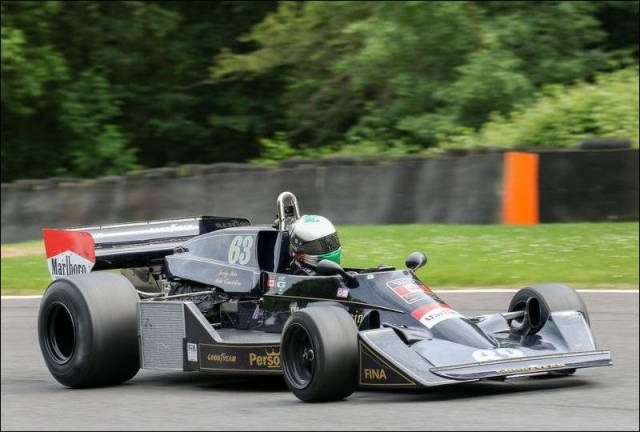
1976 | Williams FW05
Wolf-Williams FW05
Create search alert
Let yourself be notified as soon as a listing is published that matches your search filters.
Create listing
Do you have a Williams FW05 that you want to sell? Then create a listing now.
Create listingWilliams FW05 Classic Cars: Prices & Market Values
History of the Williams FW05
The Williams FW05 has its origins in the Hesketh 308C, a Formula One car that competed in the latter part of the 1975 season. Designed by Harvey Postlethwaite, the 308C introduced groundbreaking technical solutions such as rubber suspension and was powered by a Ford-Cosworth DFV engine. When Hesketh Racing ceased operations, Wolf–Williams Racing purchased the chassis, reengineering and rebranding it as the Williams FW05 for the 1976 season. This transition marked the beginning of Williams’s journey into Formula One, setting the stage for the team's subsequent successes. The FW05 sampled both innovation and adversity in a rapidly evolving motorsport landscape.
Model history of the Williams FW05
The FW05, derived from the Hesketh 308C, became the team’s first car after Frank Williams entered a partnership with Walter Wolf to form Wolf–Williams Racing. The predecessor was thus the Hesketh 308 series; the successor, in the Williams lineage, would be the FW06, which represented a clean-sheet design and greater competitiveness. The FW05’s short racing life reflects a period of transition and determination in Williams’s history, bridging privateer heritage with the foundations of a modern team.
Highlights of the Williams FW05
The standout feature of the FW05 is its Postlethwaite-designed rubber suspension, a technology rarely seen in the era. The car’s Ford-Cosworth DFV engine gave it reliability and power on par with much of the grid. The direct evolution from the competitive Hesketh chassis meant it benefited from cutting-edge design for its time. Its history as Williams's first entry under the Wolf–Williams banner gives it added historic interest.
Technical data of the Williams FW05
Special Editions and Collectible Models
No factory special editions of the Williams FW05 were released, as each car served as a fully-fledged Formula One chassis. Each surviving FW05 is unique due to its specific race history and modifications made during its service life.
Weak Spots and Common Issues
Known weak spots specific to the Williams FW05 are not documented, as surviving examples are now historic racing cars. Like all Formula One vehicles of the era, maintenance demands are significant, with specialist expertise required to manage vintage components, particularly the rubber suspension and Cosworth engine.
Engine and Performance, Transmission and Handling
The FW05’s Ford-Cosworth DFV V8 engine delivered approximately 480 hp, transmitted through a Hewland gearbox typical of the period. The experimental rubber suspension aimed to enhance grip and compliance over uneven surfaces, though its unique characteristics required precise setup and understanding from the team engineers. As a competition-focused car, the FW05’s handling was dictated by continual trackside development and tuning. The key highlight for enthusiasts is the FW05’s status as the first Williams car in Formula One, making any surviving chassis especially significant within the historic motorsport community.
Interior, Comfort, Exterior and design
The FW05’s design carries the clean, functional lines required by contemporary Formula One. The monocoque chassis was clad in minimal bodywork to reduce drag. The cockpit was purposeful, tailored for racing with only essential instrumentation and tightly focused ergonomics. As with all period F1 machinery, there was no emphasis on comfort or passenger amenities. Special livery reflected the Wolf–Williams partnership, with sponsorship decals and period-correct graphics. Materials focused on lightweight alloys, with no concessions to luxury or road use.
Other relevant features
Given its direct evolutionary link to the Hesketh 308C and status as an early Williams project, the FW05 is sought after mainly for historic racing and static display at events celebrating Formula One heritage.
Summary
The Williams FW05 represents a formative chapter in Williams’s Formula One history, derived from the innovative Hesketh 308C design. With its Cosworth DFV power, technical experimentation like rubber suspension, and role in bridging the gap from privateer roots to a full-fledged F1 team, the FW05 has unique appeal for historic motorsport enthusiasts and collectors alike.