Volpini Formula Junior classic cars for sale
Rarely offered today, the Volpini Formula Junior represents a critical chapter in Italian open-wheel racing history—engineered as a true monoposto for the pioneering Formula Junior series, it combines bespoke Italian craftsmanship with mechanical simplicity focused on agility and competition. Built in the late 1950s with a Fiat 1.1-litre four-cylinder, Volpini’s execution prioritised lightweight engineering and eligibility for major historic motorsport events.
Résultats de la recherche
À l'heure actuelle, il n'y a pas d'annonces correspondant à votre recherche.
Create search alert
Let yourself be notified as soon as a listing is published that matches your search filters.
Create listing
Do you have a Volpini Formula Junior that you want to sell? Then create a listing now.
Create listingVolpini Formula Junior listing references from Classic Trader
Below you will find listings related to your search that are no longer available on Classic Trader. Use this information to gain insight into availability, value trends, and current pricing for a "Volpini Formula Junior" to make a more informed purchasing decision.
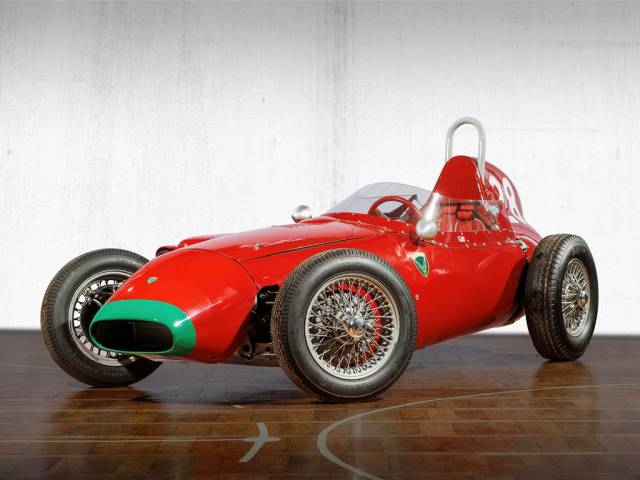
1958 | Volpini Formula Junior
1958 Volpini Formula Junior
Create search alert
Let yourself be notified as soon as a listing is published that matches your search filters.
Create listing
Do you have a Volpini Formula Junior that you want to sell? Then create a listing now.
Create listingVolpini Formula Junior Classic Cars: Prices & Market Values
Introduction and history of Volpini Formula Junior
Launched at the birth of the Formula Junior series in 1958, the Volpini Formula Junior is closely tied to the foundational era of single-seater racing for aspiring drivers. Formula Junior, the brainchild of Count 'Johnny' Lurani, aimed to bridge the gap between karting and the higher echelons of motorsport, using accessible engines and components to lower costs. In Italy, the series quickly generated enthusiasm, attracting hand-built efforts from small constructors—known as ‘etceterini’. Gian Paolo Volpini’s cars stood out as considered, high-quality monoposto machines that met the demands of this new class and found entries at premier events such as the Goodwood Revival.
Model history
The Volpini Formula Junior followed the tradition of bespoke Italian racing specials—a lineage formed by racing passion rather than mass production. With chassis numbers often unique, and no direct mass-produced predecessor or successor, each Volpini was tailored for Formula Junior’s strict regulations. A small number of these chassis were built, focusing on providing a reliable platform for young drivers in junior single-seater competition on both local Italian tracks and, as the class grew, on the international stage including the USA.
Highlights of Volpini Formula Junior
The Volpini Formula Junior’s blend of hand-formed aluminium coachwork, steel tubular ladder frame, and mechanicals sourced from the Fiat 103 (1,089 cc, inline-four) made it quintessentially Italian. The cars were simple yet robust, focusing on low weight, strong chassis dynamics, and ease of maintenance—crucial for privateers. Suspension consisted of double wishbones at the front, a live rear axle, all on coil springs; steering was worm-and-peg type, offering direct feedback. Drum brakes all round provided stopping power.
A standout fact is the Volpini’s eligibility and presence at museums and major historics, including three invitations to the prestigious Goodwood Revival—an indicator of its continued relevance, authenticity, and historical value.
Technical data
Special Editions and Collectible Models
The Formula Junior examples by Volpini are all unique low-volume builds, hand-assembled for privateers and small teams. No factory-recognised special editions exist, but each chassis carries historical significance due to its limited production and race history, with some cars distinguished by entries at world-renowned historic events.
Engine and Performance, Transmission and Handling
Weighing little, the Volpini Formula Junior extracted spirited performance from its modest Fiat-sourced 1.1-litre engine, delivering around 90 bhp at high revs. Combined with the rigid steel frame and responsive coil-sprung suspension, handling was agile, making the car well-matched to twisting circuits and allowing drivers to hone racing techniques. The manual transmission provided a direct, mechanical connection typical of 1950s junior racers, while braking was handled by four large drum brakes positioned outside the hubs for rapid cooling in long races. Steering, via worm and peg, required strength but rewarded precision. The standout Volpini Formula Junior is the monoposto built for period-legal race series and repeatedly invited to the Goodwood Revival, a testimony to its quality and competitive heritage.
Interior, Comfort, Exterior and Design
The Volpini Formula Junior dispensed with comfort to focus entirely on race function. The open-wheel aluminium body was sculpted for minimal frontal area and wind resistance. The monoposto cockpit, barely wide enough for a single driver, housed simple analogue gauges and bare, functional switchgear. All weight-saving measures—down to unpainted aluminium panels—served performance. Accessories such as period-correct steering wheels or race harnesses are highly prized by authenticity-oriented collectors.
Summary
Volpini’s Formula Junior monopostos hold a unique place in Italian racing history—purpose-built, rare, and preserved through their continued eligibility in major historic competitions. Their singular presence in the marketplace reinforces their status as hand-built thoroughbreds, offering a raw and authentic racing experience that shaped the careers of many aspiring drivers in the late 1950s and early 1960s.