Trident Clipper classic cars for sale
The Trident Clipper stands as a rare two-door fastback coupé in the upper mid-range segment, engineered with a powerful American V8 and crafted by one of Britain's most unique sports car makers. With its low production numbers and fascinating Anglo-Italian design roots, it is now a distinctive find for discerning enthusiasts.
Search results
Currently, there are no matching listings for your search.
Create search alert
Let yourself be notified as soon as a listing is published that matches your search filters.
Create listing
Do you have a Trident Clipper that you want to sell? Then create a listing now.
Create listingTrident Clipper listing references from Classic Trader
Below you will find listings related to your search that are no longer available on Classic Trader. Use this information to gain insight into availability, value trends, and current pricing for a "Trident Clipper" to make a more informed purchasing decision.
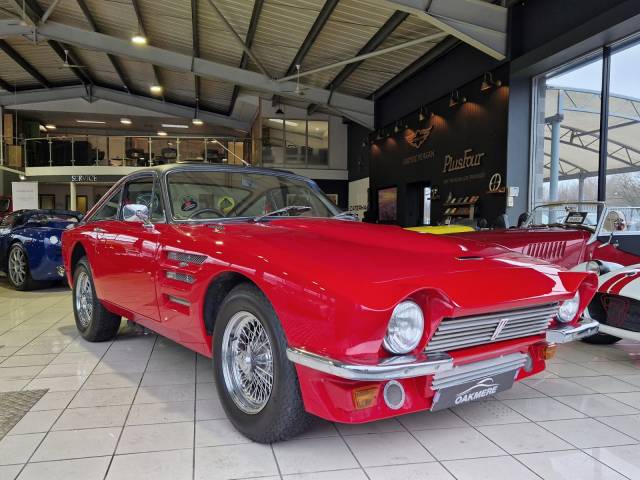
1971 | Trident Clipper
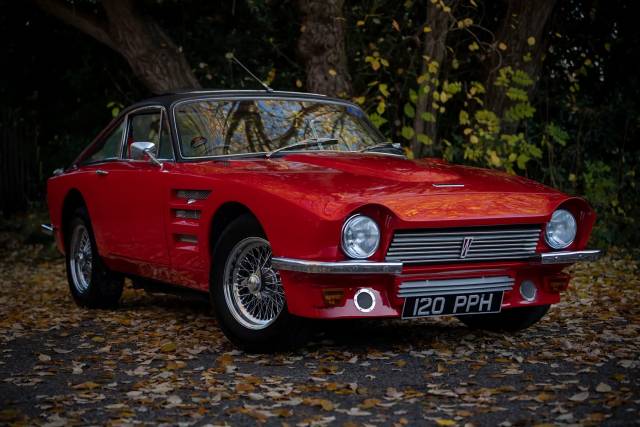
1971 | Trident Clipper
Ultra-Rare British Muscle Car
Create search alert
Let yourself be notified as soon as a listing is published that matches your search filters.
Create listing
Do you have a Trident Clipper that you want to sell? Then create a listing now.
Create listingTrident Clipper Classic Cars: Prices & Market Values
History of the Trident Clipper
Trident Cars Ltd emerged in the late 1960s after TVR Trident's main representative acquired the rights to an advanced sports coupé design by Trevor Fiore. With roots in Woodbridge and later Ipswich, Suffolk, Trident started manufacturing the Clipper as its first model in 1966, using the already completed TVR prototype. The Clipper was set apart by its fastback silhouette, broad tailgate, and a commitment to high performance in a premium, British-made coupe. Production was constrained by limited availability of American V8 powertrains and economic turbulence, which ultimately capped Clipper numbers at only 34 built units, making it an exceptionally unusual vehicle.
Model history
The Clipper was the foundation of Trident’s brief but colourful story. Initially, it was produced with the 4.7-litre Ford V8; in 1971, a more powerful 5.6-litre Chrysler V8 was offered. A production stop due to engine shortages in 1974 marked the end of the initial phase, but the model returned in 1976 with alternate engine choices—a less powerful 4.8-litre Ford and a 5.9-litre Chrysler—before operations ceased for good in 1978. The Clipper’s siblings, the Venturer and Tycoon, shared its DNA, but the Clipper remained the marque’s clear flagship and main production model.
Highlights of the Trident Clipper
Beneath the shapely body styled jointly by British and Italian hands lies a genuine muscle car experience: the Clipper was available first with a 4.7-litre Ford V8 delivering 271 PS, later upgraded to a 5.6-litre Chrysler V8 engine providing up to 300 PS. Its fastback architecture with a wide-opening hatch and practical features set it apart from contemporary British coupes. Another unique aspect was its availability as a complete car or a kit, appealing to the skilled home builder culture prevalent in the UK.
Technical data
Special Editions and Collectible Models
No strict special editions are documented, but each Clipper is effectively unique due to the very low production volume, variations in engines (from 4.7- to 5.9-litre V8s), and factory versus kit car builds. Clipper examples equipped with the 5.6-litre Chrysler engine or those finished by skilled amateur builders display individual characteristics, sometimes featuring non-standard detailing or bespoke interiors.
Weak Spots and Common Issues
No explicit weak spots or common issues are documented, but prospective owners should expect challenges typical for rare, low-volume British sports cars from the 1960s and 1970s: parts availability (especially engine/transmission components), build quality variation (particularly with kit-assembled units), and chassis or body corrosion. Engine-specific maintenance depends on whether the car carries a Ford or Chrysler V8.
Engine and Performance, Transmission and Handling
The Trident Clipper delivers performance that rivals many purpose-built sports cars of its era. With Ford and Chrysler V8s ranging from 140 to 300 PS, it accelerates vigorously and reaches impressive speeds (up to 240 km/h with the Chrysler V8). The front-engine, rear-wheel-drive platform and relatively lightweight glassfibre bodywork provide engaging handling, though the setup is more suited for brisk grand touring than agile track driving. The most notable Clipper versions are those with the 5.6-litre Chrysler V8 (300 PS) for maximum performance and the original Ford 4.7-litre (271 PS) variant for period-correct authenticity. The later 4.8-litre Ford and 5.9-litre Chrysler models deliver more relaxed, touring-oriented dynamics.
Interior, Comfort, Exterior and Design
Trevor Fiore’s blend of British and Italian cues defines the Clipper: the coupé’s flowing fastback lines, pronounced haunches and wide tailgate provide a distinctive appearance. Interiors varied, particularly for kit models, but typically featured mid-century British sports car themes—analogue gauges, supportive seating, and a functional, driver-focused dash. Colour and trim options depended on individual orders, especially for kit-built cars, resulting in a range of leather, wood, and unique fabrics. Some owners opted for custom wheels or non-standard accessories to express personal taste.
Other Features
The Clipper’s availability as either a factory-built car or a kit set it apart from most British coupés of the late 1960s and 1970s, making it a natural choice for enthusiasts with technical skills. In the UK, such kit builds are rooted in car culture, offering the thrill of personalisation and mechanical involvement. The company’s story is interwoven with the fortunes of TVR, Ford, and Chrysler, reflecting an era when the British specialist car industry was innovative but often precarious.
Summary
The Trident Clipper is a fascinating footnote in Britain’s performance car history: a handmade gran turismo, styled for presence and speed, and built in tiny numbers with brawny American powertrains. Its rarity, Anglo-Italian design pedigree, and outsize engine options have ensured a following among true enthusiasts and collectors seeking something far beyond the ordinary.