Talbot Samba classic cars for sale
The Talbot Samba stands out as a rare French small car from the 1980s, blending engineering roots from Peugeot and Citroën with its own unmistakable flair. Its reputation for economical driving, easy maintenance, and unique specification make it a distinctive choice for enthusiasts of individualistic classics.
Search results
Currently, there are no matching listings for your search.
Create search alert
Let yourself be notified as soon as a listing is published that matches your search filters.
Create listing
Do you have a Talbot Samba that you want to sell? Then create a listing now.
Create listingTalbot Samba listing references from Classic Trader
Below you will find listings related to your search that are no longer available on Classic Trader. Use this information to gain insight into availability, value trends, and current pricing for a "Talbot Samba" to make a more informed purchasing decision.
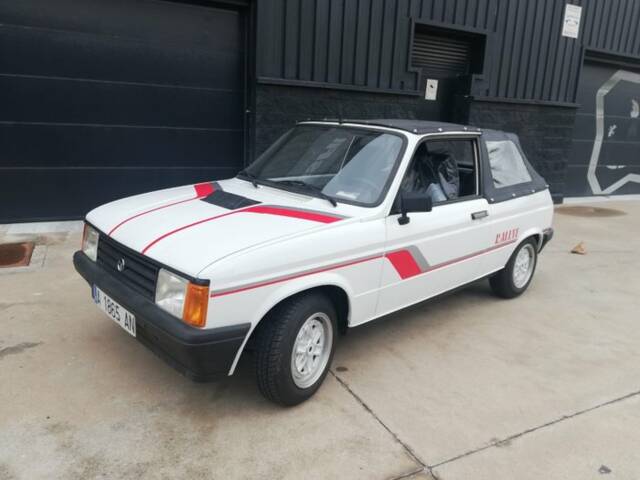
1983 | Talbot Samba Convertible
Talbot - Samba Emelba Rallye Cabrio - 1983

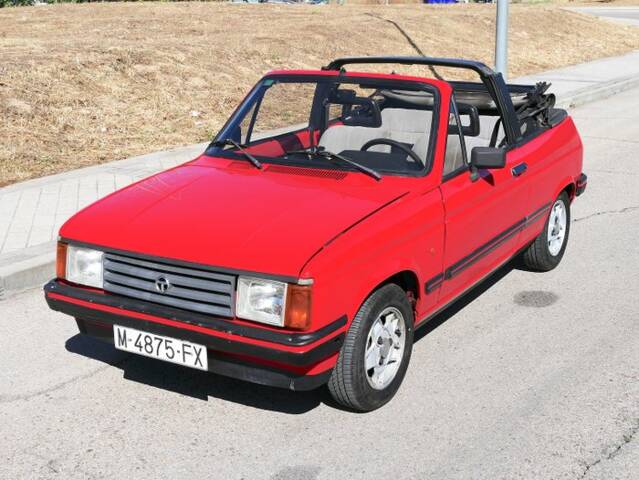
1984 | Talbot Samba Convertible
Talbot - Samba Cabriolet - 1984
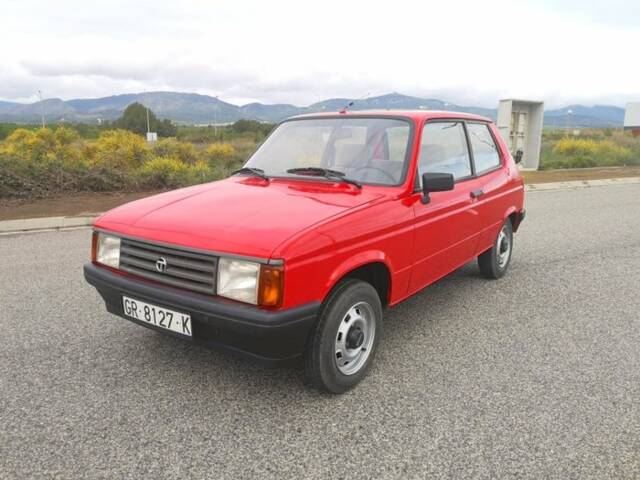
1985 | Talbot Samba
Talbot - Samba LS - NO RESERVE - 1985
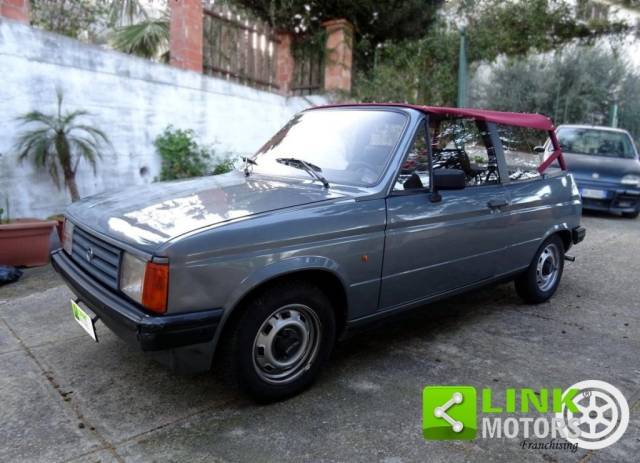
1985 | Talbot Samba Convertible
TALBOT Samba

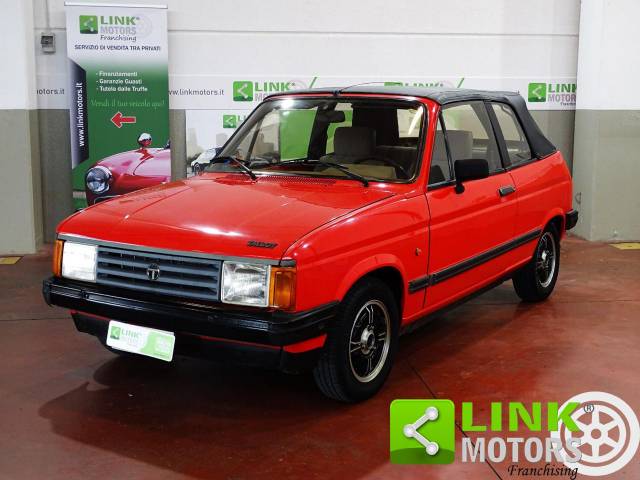
1982 | Talbot Samba Convertible
TALBOT Samba CABRIOLET
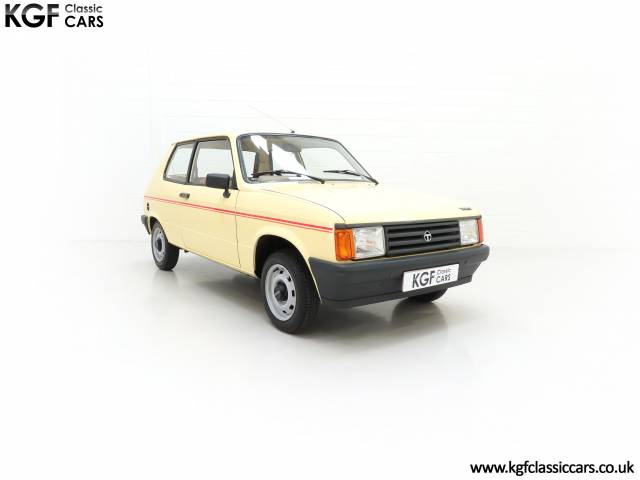
1983 | Talbot Samba
A Rare Surviving Talbot Samba LS with Just 17,109 Miles and Fantastic History

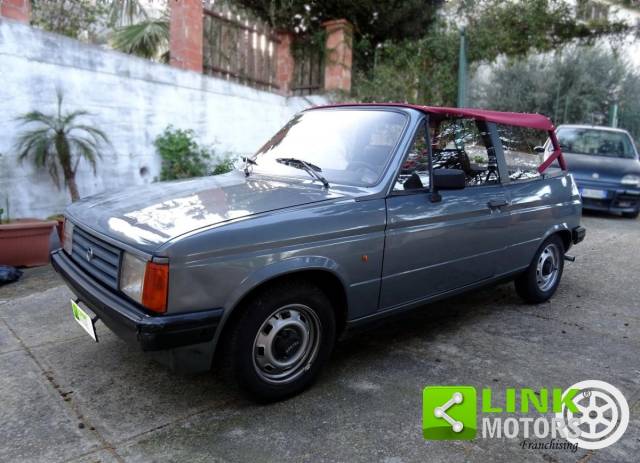
1985 | Talbot Samba Convertible
TALBOT SAMBA CABRIOLET (1985) CONSERVATO NON RESTAURATO
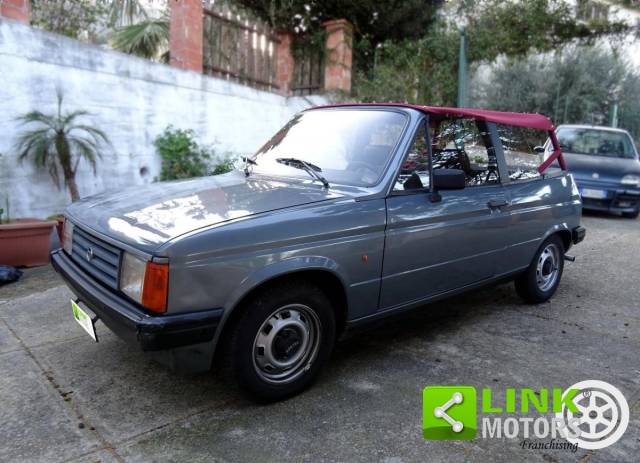
1985 | Talbot Samba Convertible
TALBOT SAMBA CABRIOLET (1985) CONSERVATO NON RESTAURATO
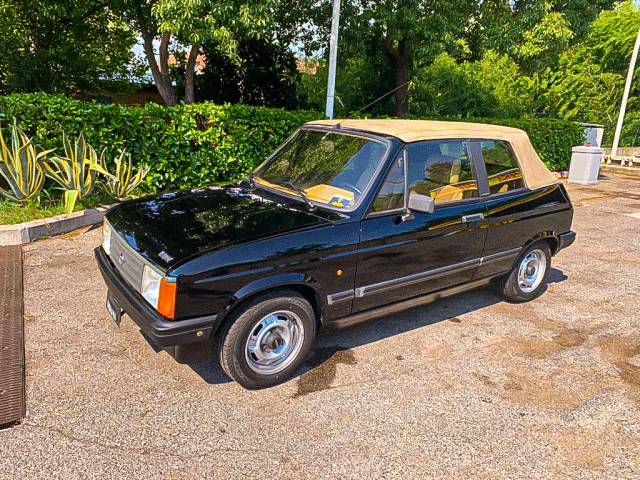
1983 | Talbot Samba Convertible
Samba cabriolet 1.4
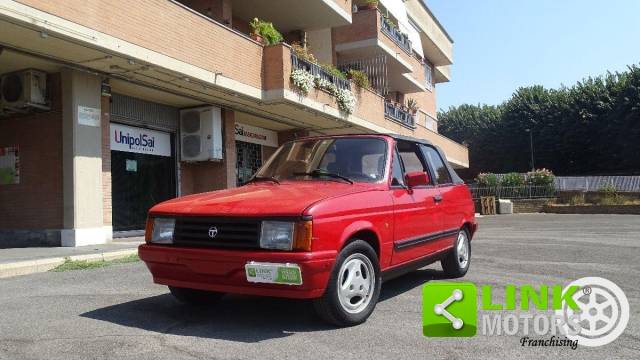
1985 | Talbot Samba Convertible
TALBOT SAMBA CABRIO 1400 cc ANNO 1985
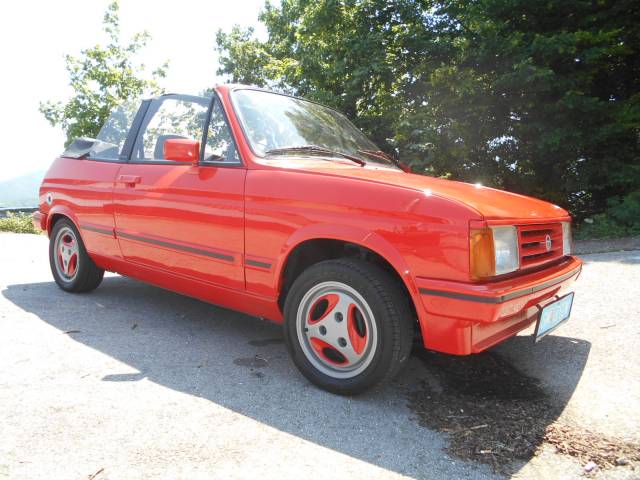
1984 | Talbot Samba Convertible
Cooles Pininfarina Cabrio

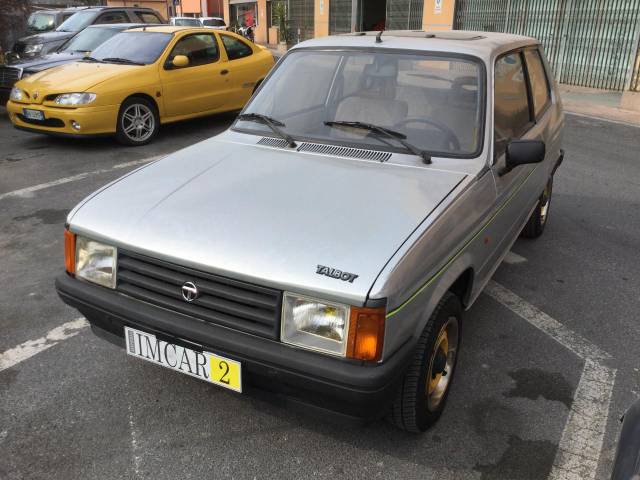
1983 | Talbot Samba
Samba Sympa
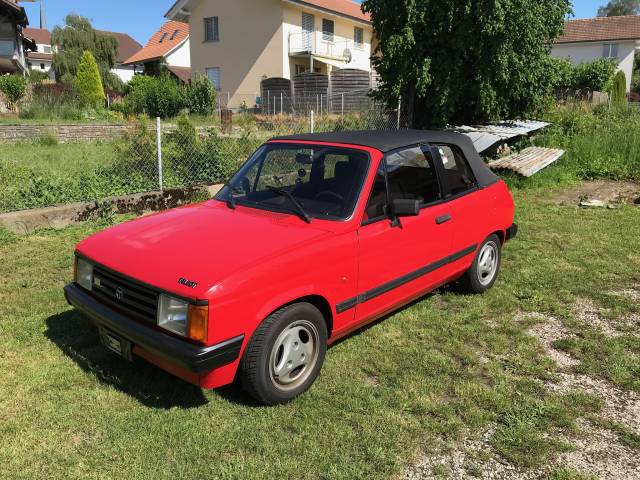
1985 | Talbot Samba Convertible

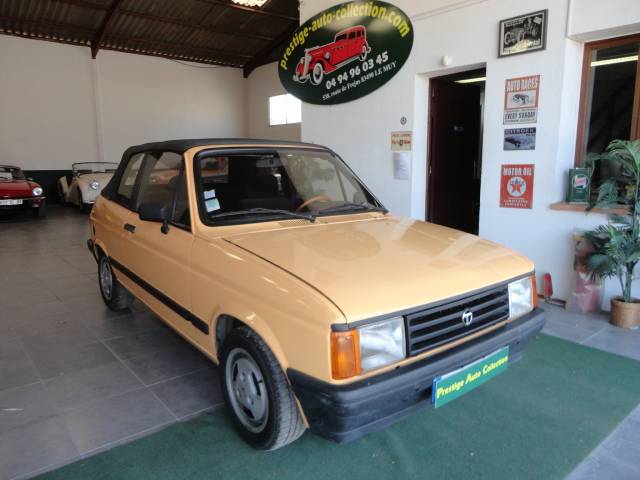
1984 | Talbot Samba Convertible
TALBOT SAMBA CABRIOLET 80 CV

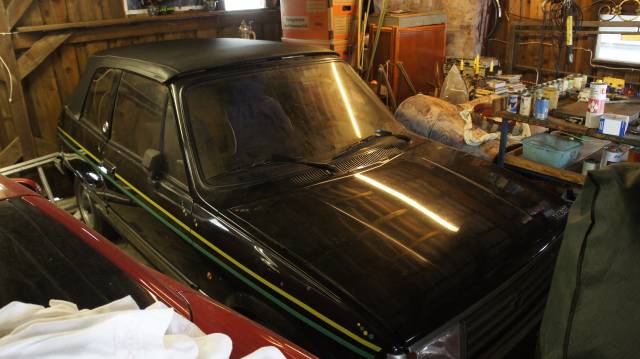
1985 | Talbot Samba Convertible
Oldtimer

Create search alert
Let yourself be notified as soon as a listing is published that matches your search filters.
Create listing
Do you have a Talbot Samba that you want to sell? Then create a listing now.
Create listingTalbot Samba Classic Cars: Prices & Market Values
History of the Talbot Samba
The Talbot Samba was introduced in 1981 as Talbot’s answer to the competitive city car segment. PSA (Peugeot Société Anonyme) developed the Samba on the Peugeot 104 platform, incorporating elements from the Citroën LNA, and produced it at the historic Simca factory in Poissy. It was designed to offer a more upmarket and well-equipped alternative among its siblings, featuring a longer wheelbase and a unique body shell. PSA positioned the Samba as a modern, practical compact car for everyday driving. The car’s introduction followed PSA’s acquisition of Chrysler Europe, which led to the consolidation of Simca and Talbot brands under one group. Despite its brief production life (ending in 1986), the Samba stood out by being the only Talbot engineered entirely by PSA and the last new passenger car launched under the Talbot badge. It closed the chapter on Talbot's legacy, making way for successors like the Peugeot 205 Cabriolet.
Model History
The Samba made its market debut in February 1982 as a three-door hatchback, later complemented by a cabriolet version developed by the renowned Italian design house Pininfarina. The cabriolet quickly garnered attention for being the world’s smallest production convertible at the time, further distinguishing the Samba range. The Samba drew on its technical kinship with the Citroën LN and Peugeot 104, resulting in a mixture of PSA’s proven powertrains and convenience features. Notably, PSA considered a Samba successor under the Talbot name with the Citroën AX, but the declining popularity of the Talbot brand led to its discontinuation in 1986. Today, the Samba lives on through enthusiastic owners and specialist clubs, though sourcing spare parts has become increasingly difficult.
Highlights of the Talbot Samba
The Samba is best known for its individuality in a sea of 1980s city cars: it offered an array of features uncommon in its class, such as height-adjustable halogen headlights, electrically operated washer systems, heated rear windows, a split-level heater fan, removable rear seat, and ample cabin storage solutions. The cabrio version featured fabric seats, carpets, a second exterior mirror, and a roll bar. The Samba also distinguished itself with economical engines, robust PSA mechanicals, and agility—especially appreciated in urban environments. Period brochures and club activity reflect the loyalty the Samba has inspired among enthusiasts, particularly in the UK and continental Europe.
Technical data of the Talbot Samba
Special Editions and Limited Models
Among the most coveted versions is the Talbot Samba Cabriolet by Pininfarina: released from 1982 to 1985, it was the smallest production convertible of its era. The conversion added an electric clock, cigarette lighter, roll bar, and numerous detail improvements over the hatch. Period sales materials also referenced dealer-specific trim accents and equipment packs, making some commuter-focused models and original UK dealer editions sought-after among collectors.
Weak Spots and Common Issues
One notable weakness of the Samba—especially the Cabriolet—was its susceptibility to rust, which could affect almost every part of the body and undercarriage. Many surviving cars today have undergone restorative work, but diligent inspection for corrosion (especially on structural parts, sills, and floorpans) is essential. Mechanically, the PSA-derived engines and gearboxes are known for their robustness, with service parts compatible with Peugeot and Citroën models, simplifying maintenance. However, original accessories, body panels, and trim pieces can be very challenging to source in today’s market, which can make restoration and upkeep more demanding.
Engine, Transmission, and Handling
The Talbot Samba offers a driving experience distinct from mainstream 1980s superminis. Its lightweight construction, compact dimensions, and nimble chassis deliver genuine agility in city traffic and on twisty urban routes. Engine choices span from frugal 954cc units (up to ~44–45 bhp) to more energetic 1360cc options (up to 79 bhp in range-topping trims). The four-speed manual transmission is fully synchronized, contributing to everyday usability. The Samba Cabriolet sacrifices minimal rigidity compared to the hatch, with Pininfarina’s engineering ensuring structural soundness. Owners appreciate its balance of comfort and frugality, especially in markets where fuel efficiency and practical dimensions matter.
Popular Models:
- Talbot Samba LS: Known for its unique French specification, including dual side stripes, adjustable driver’s mirror, and robust cloth interior.
- Samba Cabriolet by Pininfarina: The world’s smallest production convertible at launch, featuring bespoke details and a simple roof design. undefined
Interior, Comfort, Exterior and Design
The Samba’s design language reflects early 80s French minimalism, with straightforward but functional interior appointments. Cloth upholstery, removable rear bench, and ingeniously placed storage areas were hallmarks. On the exterior, period-correct double side stripes, black hubcaps on steel wheels, and subtle design accents set the LS and special trims apart. The Cabriolet, shaped by Pininfarina, remains conspicuous for its open roof, integrated roll bar, and elegant profile. Special features included a heated rear window, ventilation window for the side, and a practical hatch for easy access to the boot. Accessories ranged from original cigarette lighters and quartz clocks to period-correct dealer badges and toolkit, resonating with enthusiasts who prize original detail.
Additional Information
The Talbot Samba’s vibrant club scene in Europe (notably the Simca Talbot Club) and the existence of specialist fan networks make it feasible to find support and information for restoration, despite rarity of parts. Original handbooks, brochures, and SVA documentation add provenance value for surviving examples.
Summary
As a distinctive chapter in French automotive history, the Talbot Samba offers individualistic appeal in the classic small car segment. Its mix of PSA technology, rare cabrio variants by Pininfarina, and detailed specification ensure each surviving example stands as a testimony to Talbot’s final creative effort. Though it requires diligence regarding rust and sourcing parts, owning a Samba rewards collectors with genuine character and a unique classic car experience.