Stutz Black Hawk classic cars for sale
The Stutz Black Hawk stands out as an advanced sport-luxury car from the late 1920s, designed for dynamic driving and everyday practicality. With a powerful six-cylinder engine, a distinctively low and athletic chassis, and exceptional handling for its time, the Black Hawk merges American engineering with European inspiration. Its rarity and technical features make it a prized piece for enthusiasts and collectors.
Résultats de la recherche
À l'heure actuelle, il n'y a pas d'annonces correspondant à votre recherche.
Create search alert
Let yourself be notified as soon as a listing is published that matches your search filters.
Create listing
Do you have a Stutz Black Hawk that you want to sell? Then create a listing now.
Create listingStutz Black Hawk listing references from Classic Trader
Below you will find listings related to your search that are no longer available on Classic Trader. Use this information to gain insight into availability, value trends, and current pricing for a "Stutz Black Hawk" to make a more informed purchasing decision.
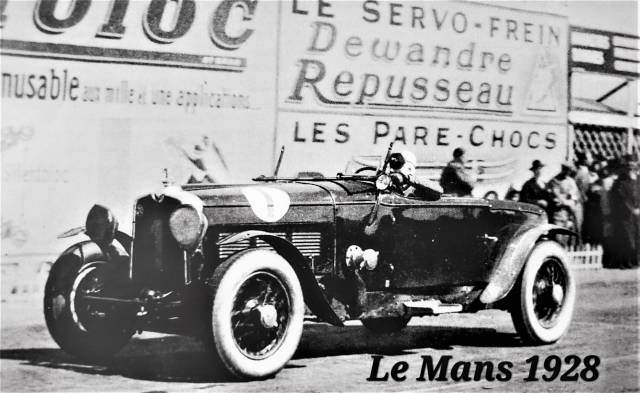
1929 | Stutz Black Hawk Speedster
1929 Stutz Le Mans Race Car Project
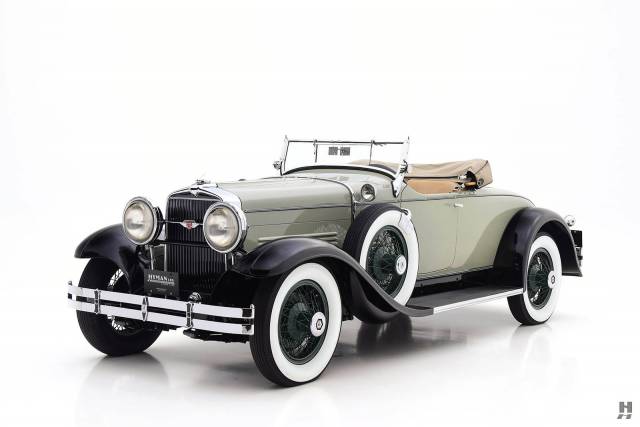
1929 | Stutz Black Hawk Roadster
Stutz Blackhawk
Create search alert
Let yourself be notified as soon as a listing is published that matches your search filters.
Create listing
Do you have a Stutz Black Hawk that you want to sell? Then create a listing now.
Create listingStutz Black Hawk Classic Cars: Prices & Market Values
History of the Stutz Black Hawk
The Stutz Black Hawk emerged at the end of 1928, aiming to invigorate sales with a distinctly sporty junior model line. Stutz specifically crafted this series for a short production window, resulting in today’s notable rarity. The model introduced a completely new short-wheelbase chassis (127 inches), setting the foundation for its low and rakish design. Unlike the existing eight-cylinder cars, the Black Hawk relied on an advanced six-cylinder engine derived from the marque’s 'Vertical Eight' but tuned for agile performance. Stutz focused on improved stability and driving characteristics through a double drop frame and substantial cross-bracing—progressive construction by the standards of late 1920s American engineering. The influence of European automotive design, in both technology and style, was distinct—at a time when most US buyers preferred conventional concepts.
Model history
The Stutz Black Hawk served as a 'junior' alternative to the larger, often more prestigious eight-cylinder Stutz models. While it did not directly replace a specific predecessor, it opened a new chapter within the Stutz brand for agile, sport-oriented luxury cars. Production lasted only a few years, limiting output and ensuring that surviving examples are particularly significant. The Black Hawk series capitalised on mechanical advancements—especially its sporty chassis and powertrain integration. No formal direct successor emerged, as Stutz’s focus shifted in the early 1930s with company restructuring and changing market demands.
Highlights and unique features
The Stutz Black Hawk established several technical and aesthetic benchmarks in its era. Notably, its four-speed transmission was unique on the US market, with only one other domestic manufacturer offering such sophistication at the time. Brake performance was outstanding thanks to Lockheed-hydraulic drum brakes on all four wheels—supplemented, optionally, by a B&K vacuum power booster also found on Duesenberg and higher-end Stutz Eight models. Coachwork was often realised by renowned builder LeBaron, contributing numerous elegant catalogue bodies. Distinctive features included double rear lamps, specific running-boards for the rumble seat, and details like chrome mirrors and trunk racks. Interior appointments ranged from period-correct luxury leathers to innovative convertible canvas tops with full side panels. The worm-drive rear axle and twin-plug ignition for the overhead cam engine further underline the Black Hawk’s technical prowess.
From a market perspective, all supply and demand for Stutz cars on Classic Trader is entirely comprised of Black Hawk models—representing a 100% share within the marque in both listings and inquiries. This underlines both the rarity and specific collector interest in this line.
Technical data
Special Editions and Collectible Models
Among the various Black Hawk bodies, the Rumble-Seat Roadster stands out as especially notable—a true two-seater with an additional folding rear seat integrated into the bodywork. LeBaron-produced bodies are particularly sought-after for their craftsmanship and style. Individual vehicles may differ in equipment and detail, with some featuring rare options such as the vacuum-assisted brakes or factory-ordered chrome accessories.
Weak Spots and Common Issues
Maintaining a Stutz Black Hawk requires paying attention to the robust yet complex drivetrain, especially the four-speed gearbox and worm-drive rear axle, which benefit from thorough regular servicing. The unique hydraulic braking system, if equipped with a vacuum servo, needs expert inspection and sensitive maintenance to ensure reliable stopping power. Due to the scarcity of period-correct parts—especially LeBaron bodywork fittings and engine-specific components—restoration and upkeep are best reserved for experienced owners or dedicated specialists.
Engine and Performance, Transmission and Handling
The Black Hawk's six-cylinder engine delivered responsive power, thanks to advanced design with overhead camshafts and twin-plug ignition. The combination of a short wheelbase, double drop frame, and substantial cross-bracing translated into agile handling, truly setting it apart from most other American cars of its time. The four-speed gearbox provided flexibility and spirited driving, making the Black Hawk notably practical for long-distance touring as well as energetic country drives. Hydraulic brakes at all four corners, with optional vacuum assist, ensured confident, fade-resistant stopping even on demanding routes. The worm-drive rear axle contributed both silently smooth operation and durability. Highlighted versions include the LeBaron-bodied Roadster, renowned for its refined lines and rare rumble seat arrangement, and any Black Hawk equipped with the B&K vacuum brake booster—each representing thoughtful technical advancement and practical luxury.
Interior, Comfort, Exterior and Design
Design and craftsmanship are central to the Black Hawk’s allure. Typical are low-slung proportions, a rakish stance, and sweeping hood lines. Many vehicles feature wire wheels painted in distinctive contrasting colours, signature double tail lamps, and trunk racks. LeBaron interiors offered high-grade leather or period-correct leatherette materials, complementing robust dashboard layouts and functional switchgear. Special details—the folding windshield, external chrome mirrors, and complete weather gear—emphasise both elegance and usability. Accessories included Kofferträger (trunk racks), rumble seat running pads, and unique chrome or nickel trim. Soft tops were generally supplied in quality canvas, often with full side screens and tonneaus for inclement weather.
Other Information
The Stutz Black Hawk’s advanced engineering drew direct inspiration from contemporary European sport-luxury cars, making it somewhat ahead of its time in the US market. It combines practicality for touring with the exclusivity, both in design and market presence, of an upper-class sports-luxury automobile. The rarity and level of surviving detail mean each car is often highly individual, with provenance and originality pivotal when assessing any example.
Summary
The Stutz Black Hawk represents a unique chapter in American automotive history, combining robust power, innovative chassis design, and forward-thinking luxury. Designed for a brief but memorable period at the close of the 1920s, it stands out for technical sophistication and its rare marriage of sport-driven handling with posh amenities. With every Stutz listed on Classic Trader being a Black Hawk, its status as the singular focal point of the marque is unmatched—making it an essential reference for collectors, drivers, and enthusiasts seeking the pinnacle of late 1920s American automotive craftsmanship.