Steyr 100 classic cars for sale
The Steyr 100 stands out as a medium-sized car produced in Austria from 1934 to 1940, known for its streamlined four-door body designed by Karl Jenschke. Its manufacturing history, remarkable engineering and the rarity on today’s market set it apart from typical pre-war vehicles.
Search results
Currently, there are no matching listings for your search.
Create search alert
Let yourself be notified as soon as a listing is published that matches your search filters.
Create listing
Do you have a Steyr 100 that you want to sell? Then create a listing now.
Create listingSteyr 100 listing references from Classic Trader
Below you will find listings related to your search that are no longer available on Classic Trader. Use this information to gain insight into availability, value trends, and current pricing for a "Steyr 100" to make a more informed purchasing decision.
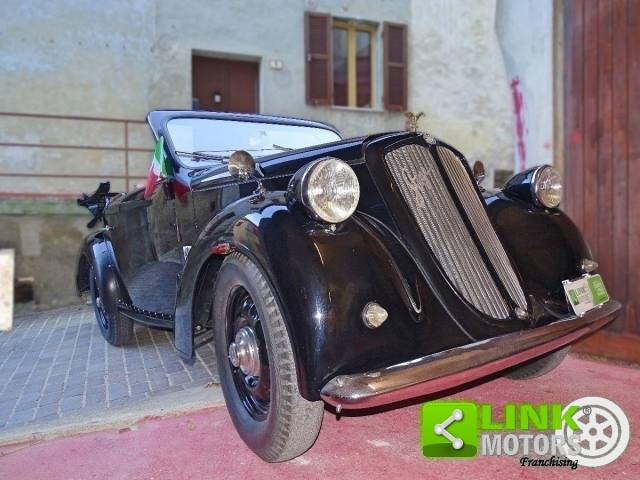
1936 | Steyr 100
STEYR 100 CONVERTIBILE 1936

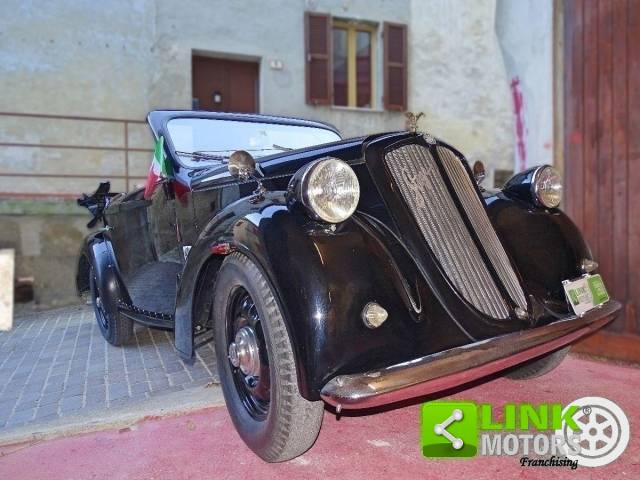
1936 | Steyr 100
STEYR 100 CONVERTIBILE 1936
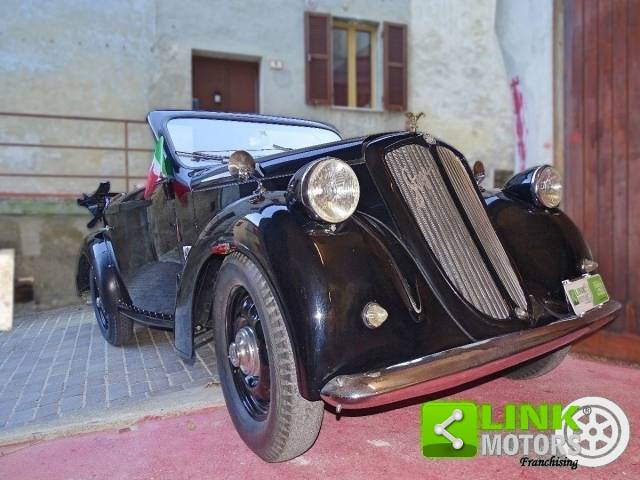
1936 | Steyr 100
STEYR 100 CONVERTIBILE 1936
Create search alert
Let yourself be notified as soon as a listing is published that matches your search filters.
Create listing
Do you have a Steyr 100 that you want to sell? Then create a listing now.
Create listingSteyr 100 Classic Cars: Prices & Market Values
History of the Steyr 100
The Steyr 100 was introduced in 1934 by Steyr-Daimler-Puch AG as a part of their commitment to progressive automotive design. The car featured a streamlined body, reflecting contemporary engineering ideals and the drive for improved aerodynamics. While assembly started in Steyr after the 1933 prototype built by Gläser-Karosserie in Dresden, the model quickly became notable for its practical design and resilient engineering during its production run up to 1940. The historical impact of the Steyr 100 is closely tied to its role as a representation of Austrian industrial innovation in the years leading up to the Second World War.
Model History of the Steyr 100 Series
The 100 series marked an evolution in Steyr’s line-up, setting the foundation for the follow-up Steyr 200. The 100 established key design and mechanical parameters that would be adopted and refined in its successors. Predecessor models did not feature the same streamlined concepts, making the 100 a departure from traditional shapes. Its engineering by Karl Jenschke, and the regional influence of Gläser-Karosserie in the prototype phase, highlight the collaborative and innovative spirit that defined Steyr’s work during this period.
Highlights of the Steyr 100
Karl Jenschke’s influence in the four-door design and the early collaboration with a German coachbuilder underlines the international flavour of the Steyr 100. Streamlining distinguished the model, offering improved aerodynamics at a time when boxy silhouettes dominated the market. Within the Classic Trader platform, every Steyr car offered comes from the 100 series as per the latest statistics, reflecting both the singularity and rarity of this model within the classic Steyr universe.
Technical Data
Special Editions and Collectible Models
Information about limited editions or special variants of the Steyr 100 is not recorded in the currently available sources. The model's uniqueness is primarily linked to its streamlined design and its role as a precursor within Steyr's production history.
Weak Spots and Common Issues
No specific weak spots or recurring technical issues for the Steyr 100 have been documented within the available data. Given the age and complexity of pre-war engineering, buyers should be prepared for restoration requirements and careful parts sourcing.
Engine and Performance, Transmission and Handling
The Steyr 100 was notable for its well-resolved dynamics for the mid-1930s. Its streamlined body contributed to handling improvements over preceding models, although full technical engine and transmission details are not provided within the available dataset. The car’s driving characteristics were emblematic of its era, balancing comfort for daily use with pre-war mechanical robustness. Since 100% of Steyr cars listed correspond to the 100 series, this is the highlighted model. Its appeal lies in its pioneering bodywork and mechanical reliability during the pre-war years.
Interior, Comfort, Exterior and Design
With a streamlined silhouette developed by Karl Jenschke and advanced prototyping by Gläser-Karosserie, the design of the Steyr 100 moved away from angular, boxy predecessors. The four-door layout facilitated practicality without compromising on the aerodynamic vision. Materials and colour schemes typical of the mid-1930s Austria adorned the interiors. Accessories or special features tied to this model were indirect, focusing mainly on the new aerodynamic aesthetic and spaciousness achieved through Jenschke’s concepts.
Other Notable Features
The Steyr 100’s significance is magnified by its status as one of the few Austrian cars of its class and time to embrace international cooperation (Austrian-German) in early design phases, strengthening its standing among historical classics.
Summary
The Steyr 100 reflects Austria’s approach to progressive automotive engineering in the pre-war years, with defining contributions by Karl Jenschke in bodywork and design. Rarity and singularity define this series in current classic car supply and demand statistics. Anyone considering a Steyr 100 embraces an authentic piece of 1930s motoring ingenuity, characterised by its streamlined shape, practical four-door configuration and technical innovation of its era.