Stanley Steam Car Classic Cars for Sale
The Stanley Steam Car, produced by the Stanley Motor Carriage Company in Newton, Massachusetts, stands as a remarkable testament to the early era of motoring. These steam-powered vehicles, renowned for their technological innovation and performance, still fascinate collectors and enthusiasts alike. Distinct in design and mechanics, they offer a unique insight into the pioneering days of automotive history.
Search results
Currently, there are no matching listings for your search.
Create search alert
Let yourself be notified as soon as a listing is published that matches your search filters.
Create listing
Do you have a Stanley Steam Car that you want to sell? Then create a listing now.
Create listingStanley Steam Car listing references from Classic Trader
Below you will find listings related to your search that are no longer available on Classic Trader. Use this information to gain insight into availability, value trends, and current pricing for a "Stanley Steam Car" to make a more informed purchasing decision.
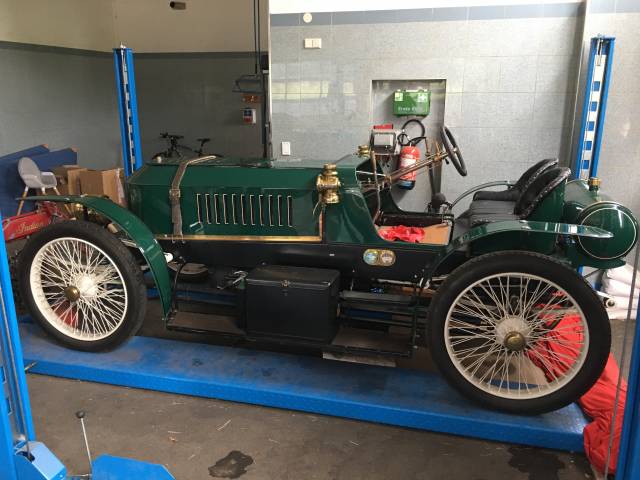
1908 | Stanley Steamer Vanderbilt
Steamcar, top restored

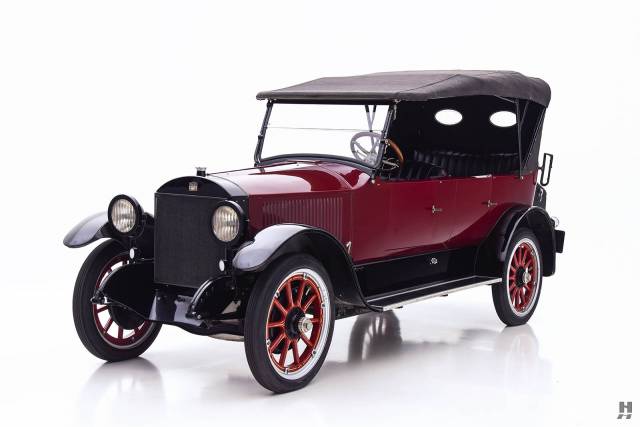
1922 | Stanley 735 Steam Car
Stanley 735
Create search alert
Let yourself be notified as soon as a listing is published that matches your search filters.
Create listing
Do you have a Stanley Steam Car that you want to sell? Then create a listing now.
Create listingStanley Steam Car Classic Cars: Prices & Market Values
History of the Stanley Steam Car
The Stanley Steam Car was produced by the Stanley Motor Carriage Company, one of the first firms to achieve commercial success with automobiles in the United States. Founded by the Stanley twins, F.E. and F.O. Stanley, the company became synonymous with steam-powered motoring in the early 20th century. At a time when steam power was heralded as 'the force that moves the world,' Stanley cars were at the forefront of innovation. Their popularity peaked before electric starters made petrol engines more accessible. Concerns such as long warm-up times for the boiler (often up to 20 minutes) and fear of boiler explosions were common drawbacks, but the cars' innovative engineering, including condensing boilers and advanced control layouts, set them apart from their contemporaries.
Model History of the Stanley Steam Car
The Stanley Steam Car evolved constantly to address the changing demands of the motoring world. In 1917, after the sale of the company by the Stanley twins, the brand introduced the Model 735, aiming to mitigate some key disadvantages of earlier models. The Model 735 featured a condensing boiler, which allowed exhaust steam to be routed back into the system—significantly increasing water range before requiring refill. With a robust steel chassis and a choice of six body styles, the Model 735 became the company's most successful car, selling over 1,700 units.
Highlights of the Stanley Steam Car
Notable features of the Stanley Steam Car include its condensing boiler system, which allowed much longer distances between water refills. Its minimalist wooden dashboard, distinctive foldable timber steering wheel, and manual controls targeting the enthusiast driver all point to engineering simplicity and reliability. The vehicle's early versions could exceed speeds of 200 km/h, a staggering figure for their era. Stanley Steamers are now frequently seen at rallies and parades, cherished for their authentic old-car experience.
Technical Data
Special Editions and Collectible Models
The Stanley Steam Car was produced in several special variants, most notably including the sporting Vanderbilt Racer, which pushed the performance limits of early steam cars. These limited-run models often featured bespoke bodywork and were tailored for speed records and demonstration events.
Engine and Performance, Transmission and Handling
Stanley Steam Cars achieved notable performance due to their high-torque steam engines and lightweight construction for their size. The heating-up period of up to 20 minutes for the steam boiler, however, reduced practical use. Later systems like condensing boilers improved water efficiency substantially—an essential factor for long-distance tours. Wooden artillery wheels and a solid chassis offered a sturdy ride, though the manual nature of steam controls requires a hands-on, attentive driver. The Stanley Model 735, as the brand’s top-seller, stands out thanks to its improved condensing boiler and practical enhancements. For those seeking performance heritage, the Vanderbilt Racer holds a special place due to its racing pedigree and speed achievements.
Interior, Comfort, Exterior and Design
The Stanley Steam Car features a stripped-back wooden dashboard complemented by minimal but functional controls. Period-correct leather covers the seats, contributing to an unmistakable vintage feel. The foldable steering wheel, wood-rimmed and robust, eases entry into the notably high and narrow interior. Most cars feature a collapsible fabric top. Externally, the wooden artillery wheels (often in vibrant colours) mark the era’s design language. Six available body variants during the 735 era included open and closed touring types, all prioritising passenger space and visibility.
Other relevant features
Stanley Steam Cars are deeply embedded in American automobile heritage, often appearing at classic rallies, parades, and enthusiast gatherings. Their unique engineering and historic importance make them favourites for demonstrations at vintage motoring events.
Summary
The Stanley Steam Car is a unique chapter in automotive history, representing innovation in early vehicle design and engineering. With distinctive technical solutions such as the condensing boiler and an unmistakable design language, these vehicles encapsulate the spirit of the pioneering motoring age. The high ratio of Stanley Steam Cars among Stanley listings underscores their status as the make’s centrepiece in both supply and demand. For enthusiasts drawn to the steam-powered era, few vehicles can rival the historic and mechanical fascination of a Stanley Steam Car.