Standard Nine classic cars for sale
The Standard Nine stands out among British classics with its rear-hinged doors, Lucas-instrumented dashboard, and unique radiator mascot thermometer—an intriguing blend of Coventry engineering from a marque that helped shape early 20th-century British motoring.
Search results
Currently, there are no matching listings for your search.
Create search alert
Let yourself be notified as soon as a listing is published that matches your search filters.
Create listing
Do you have a Standard Nine that you want to sell? Then create a listing now.
Create listingStandard Nine listing references from Classic Trader
Below you will find listings related to your search that are no longer available on Classic Trader. Use this information to gain insight into availability, value trends, and current pricing for a "Standard Nine" to make a more informed purchasing decision.
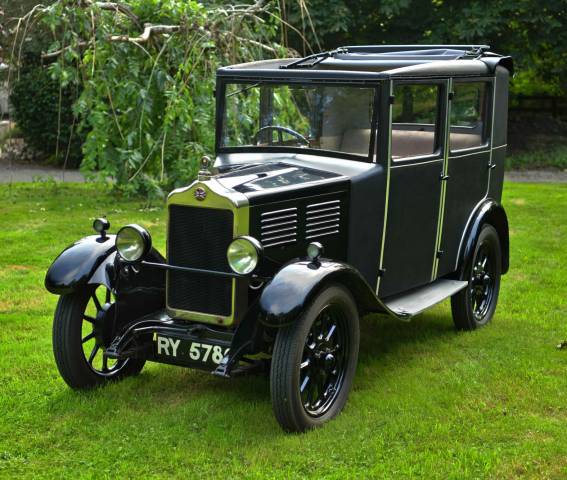
1927 | Standard Nine
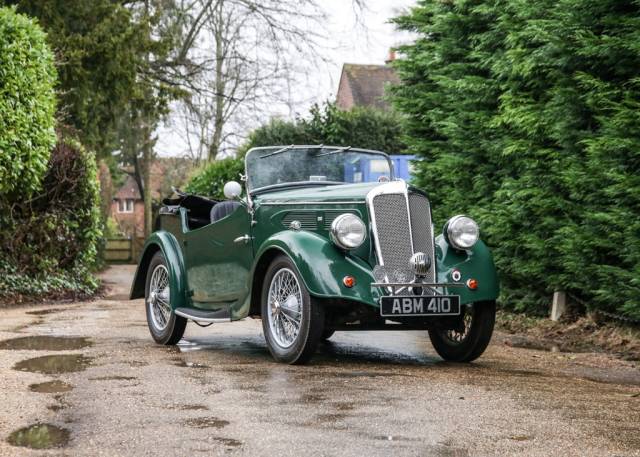
1936 | Standard 9 Avon Special
Standard Avon Special Tourer
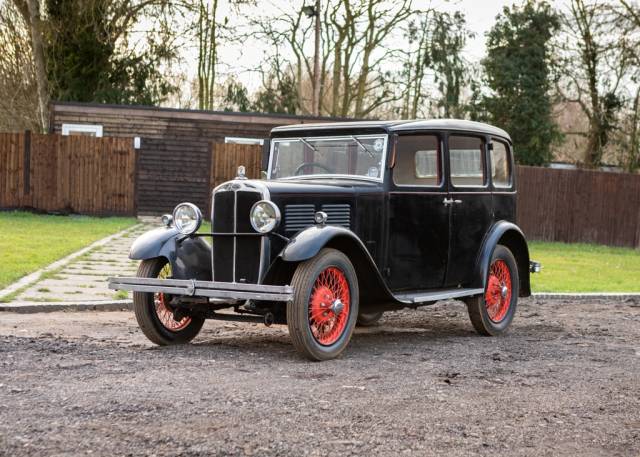
1931 | Standard Nine
Standard Nine
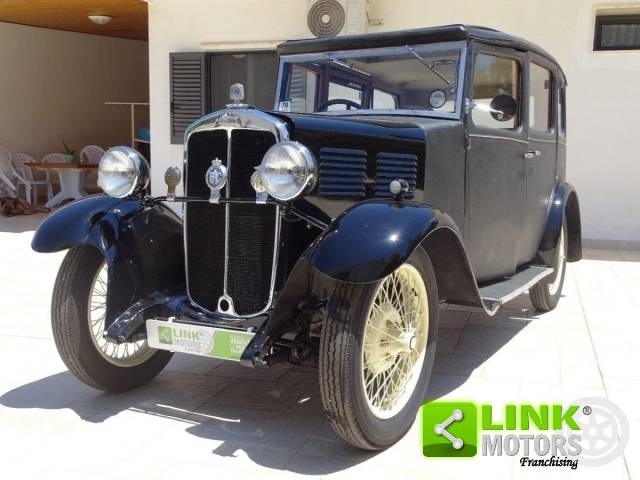
1930 | Standard Nine Teignmouth
Standard Big Nine 1930 (Martina Franca)
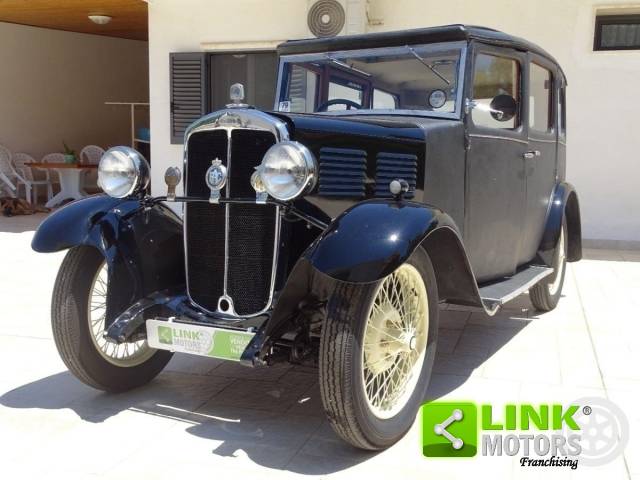
1930 | Standard Nine Teignmouth
Standard Big Nine 1930 (Martina Franca)
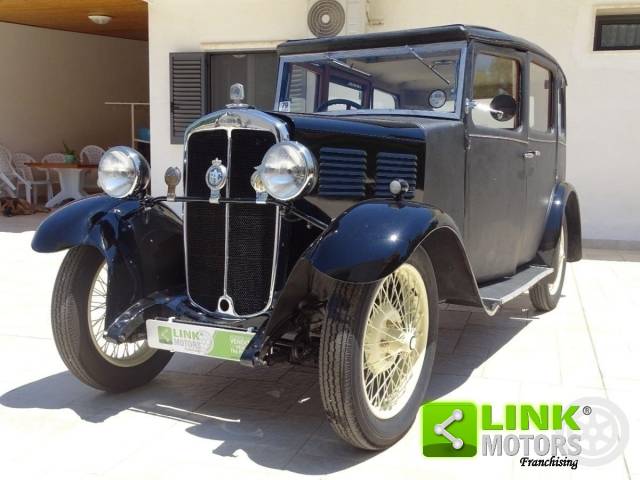
1930 | Standard Nine Teignmouth
Standard Big Nine 1930 (Martina Franca)
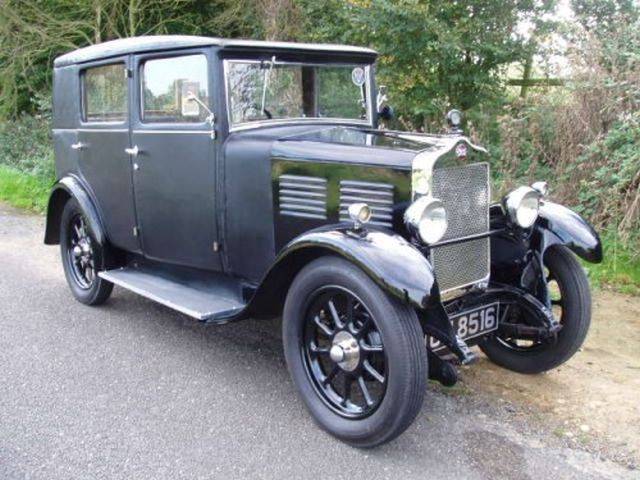
1929 | Standard Nine Teignmouth
Create search alert
Let yourself be notified as soon as a listing is published that matches your search filters.
Create listing
Do you have a Standard Nine that you want to sell? Then create a listing now.
Create listingStandard Nine Classic Cars: Prices & Market Values
History of the Standard Nine
The Standard Nine was crafted by the Standard Motor Company, founded on 2 March 1903 by civil engineer R. W. Maudslay in Coventry. Initially renowned for its single-cylinder models with a unique shaft drive to the rear wheels, the company evolved quickly and became a public company in 1914. The Nine model became a staple in the lineup, emphasising practical engineering and usable performance, which resonated with a growing British middle class in the interwar period.
Model History
Emerging as a central figure in Standard’s range, the Nine evolved from the company’s earlier, more modest offerings. While direct predecessors featured fewer cylinders and rudimentary engineering, the Nine established a new standard for the brand, marked by reliability and more comprehensive features. It retained popularity until new developments in postwar motoring caused the model lines to be realigned, ultimately being succeeded by newer Standard models that responded to changing market demands.
Highlights of the Standard Nine
Distinctive rear-hinged 'suicide' doors immediately set the Standard Nine apart visually. The dashboard was equipped with Lucas instruments, a recognised mark of British automotive instrumentation in the era. A charming detail is the temperature gauge integrated into the radiator mascot—a functional and decorative touch not often found outside premium segments.
Technical data
Special Editions and Collectible Models
In the Standard Nine model series, vehicles with original Lucas-instrument dashboards and the rare radiator mascot thermometer are particularly valued by connoisseurs, as these elements signal both authenticity and completeness.
Weak Spots and Common Issues
Due to a lack of additional detailed sources for this section, specific model-related weaknesses of the Standard Nine cannot be highlighted here.
Engine and Performance, Transmission and Handling
The Standard Nine’s engine is remembered for its simplicity and reliability—qualities that made it practical for its time. The three-speed manual gearbox was mated to a shaft-driven rear axle, delivering smooth, predictable performance by 1920s and 1930s standards. The layout, combined with modest engine output, supports relaxed touring rather than spirited driving. The handling, while not sporting, benefits from robust suspension components and straightforward mechanicals. Popular choices among purists are those fitted with intact Lucas dashboards and the period-correct mascot temperature gauges, both of which reflect the car’s original configuration and engineering priorities.
Interior, Comfort, Exterior and Design
The Standard Nine is synonymous with British prewar charm, combining practical saloon proportions with subtly elegant coachwork. The cabin features authentic period details such as Lucas-branded instruments and high-quality materials by contemporary standards. Its rear-hinged doors not only draw attention but also facilitate access, setting it apart from later models. Standout accessories include the radiator mascot thermometer, underscoring the car’s dual focus on functionality and distinctive British motoring aesthetics.
Other Noteworthy Features
The Standard Nine occupies a particular niche as a car that blends early automotive engineering—like shaft drive and simple gearboxes—with refined British interior details, bridging the gap between utility and sophistication in the 1920s and 1930s.
Summary
The Standard Nine offers an authentic slice of British motoring history for enthusiasts looking for a distinctive prewar classic. Notable for its rear-hinged doors, Lucas dash instruments, and unique radiator mascot, it reflects both the engineering ambitions of the early British motor industry and the emerging aesthetic values of its era.