Spartan Roadster classic cars for sale
The Spartan Roadster stands apart with its British kit car genetics, blending aluminium panels and GRP wings around a lightweight steel chassis. Inspired by the MG TF and most commonly built in the late 1980s, this two-seater sports car offers purist driving linked to affordable Ford and Triumph technology.
Search results
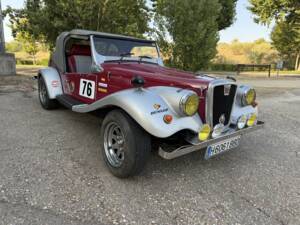
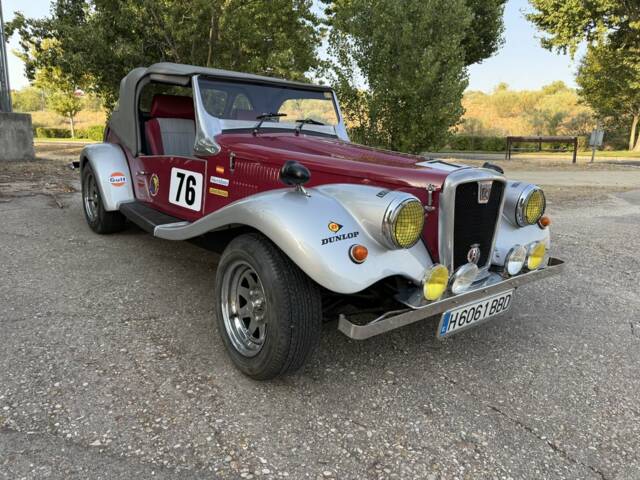
1978 | Spartan Roadster
Spartan Roadster 2+2 | 1978 | Route 66 Auctions - For sale by auction. Estimate 7200 EUR

Spartan Roadster listing references from Classic Trader
Below you will find listings related to your search that are no longer available on Classic Trader. Use this information to gain insight into availability, value trends, and current pricing for a "Spartan Roadster" to make a more informed purchasing decision.
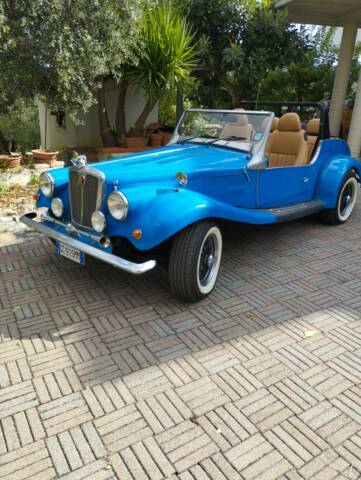
1993 | Spartan Roadster
Spartan Roadster, targa italiana

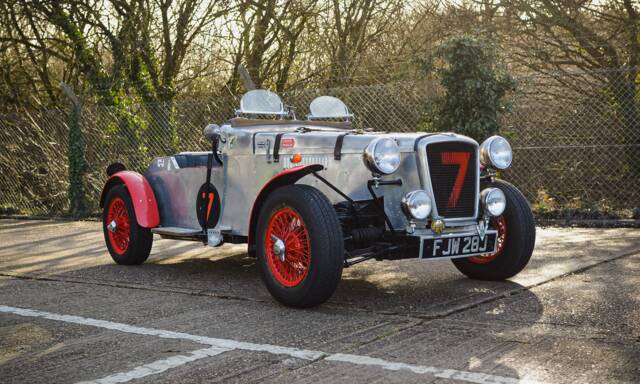
1975 | Spartan Roadster
1975 Spartan 'Le Mans' Replica

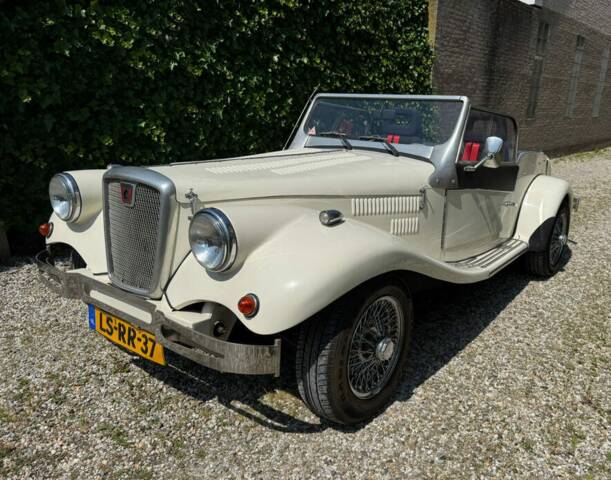
1995 | Spartan Roadster
Spartan Cabriolet Sport | 1995 | Route 66 Auctions - For sale by auction. Estimate 5500 EUR
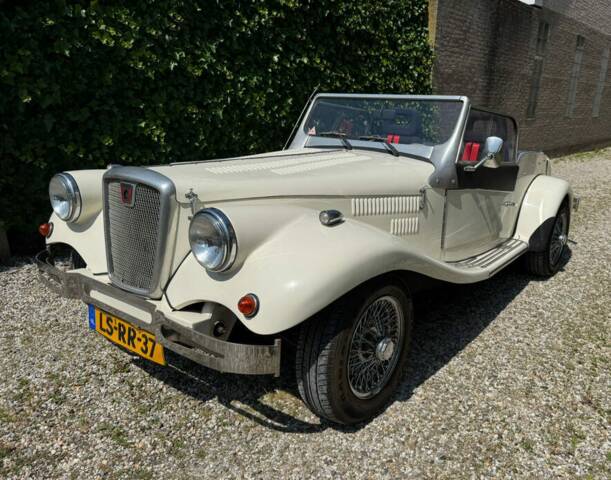
1995 | Spartan Roadster
Spartan Cabriolet Sport | 1995 | Route 66 Auctions - For sale by auction. Estimate 5500 EUR
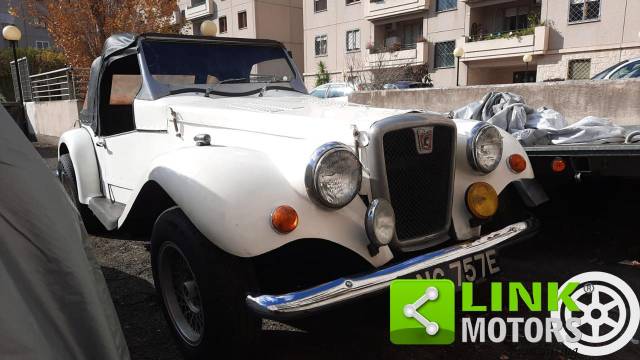
1980 | Spartan Roadster
SPARTAN Roadster TARGA INGLESE
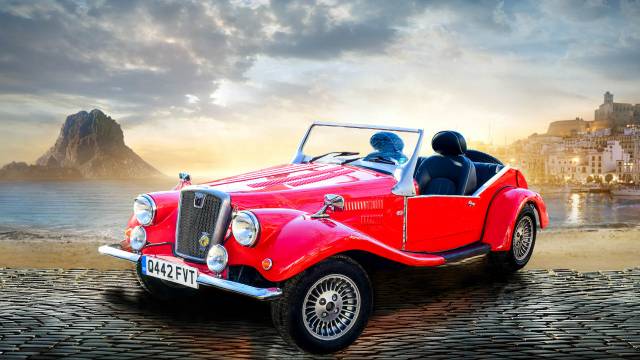
1972 | Spartan Roadster
Spartan Roadster Classic Cars: Prices & Market Values
History of the Spartan Roadster
Spartan Cars, founded by Jim McIntyre in 1973 in Pinxton, Derbyshire, emerged during the vibrant era of British kit cars. The Spartan Roadster, their standout model, reflected the MG TF's classic lines but harnessed the engineering simplicity of contemporary British cars. Spartan started out adapting Triumph Herald running gear, but major updates in 1980 saw the company design its own chassis utilising widely available Ford Cortina Mk. III/IV parts.
Over the years Spartan Cars changed ownership, most notably when Steve Beardsall took over in 1991, but the Roadster remained a mainstay until the company's closure in 1995. Its accessible build, open-top charm, and blend of materials saw it attract a loyal following among enthusiasts for nearly two decades.
Model history of the Spartan Roadster
Originally launched with a Triumph Herald donor chassis and running gear, the Spartan Roadster quickly earned popularity in the burgeoning British kit car scene of the 1970s. From 1980, its own frame—designed for use with Ford Cortina Mk. III/IV suspension and mechanicals—marked a turning point, broadening component compatibility and reducing maintenance costs. The vehicle was available as a two-seater or occasionally as an open 2+2, depending on self-buildor factory specification. There was no true direct predecessor, as the Roadster defined the company's offering. With Spartan Cars ceasing operations in 1995, there has been no direct successor.
Highlights of the Spartan Roadster
The Spartan Roadster uniquely combines classical British style with accessible, mainstream mechanicals. Its aluminium-bodied structure, GRP wings, steel frame and lightweight concept offered hands-on builders and classic fans a blend rarely found outside of high-end manufacturers. The use of Ford and Triumph components ensured availability of spares and serviced a niche for DIY motoring and affordable classic sports car enjoyment.
Technical data
Special Editions and Collectible Models
No officially designated special edition Spartan Roadsters are documented; however, individual vehicles may feature unique owner modifications, rare colours or custom interiors owing to the kit car build approach, making each one potentially distinct.
Engine and Performance, Transmission and Handling
With a kerb weight of only around 800 kg and a peppy 75 hp from a 1.6-litre four-cylinder petrol, the Spartan Roadster delivers lively acceleration for its era. Rear-wheel drive and a straightforward manual gearbox—sourced mainly from Triumph Herald or Ford Cortina—guarantee classic sports car dynamics and straightforward mechanics. The lightweight aluminium and GRP construction enables agile steering, while the relatively basic suspension prioritises mechanical feedback over comfort. Brake and handling characteristics depend largely on donor parts configuration but suit drivers who value tangible road feel over outright refinement. The best-known builds use the Ford Cortina Mk.III/IV running gear after 1980, appreciated for parts availability and easy mechanical upgrades; earlier Triumph-based cars appeal for their period-correct setup.
Interior, Comfort, Exterior and design
The classic British roadster shape of the Spartan Roadster is immediately recognisable—long bonnet, sweeping wings, open cockpit and an upright grille channel the spirit of the early MG TF. Aluminium body panels were specified for weight reduction, while fibreglass wheel arches allowed for compact sculpting and reduced corrosion risk. Interiors varied dramatically based on builder preference but frequently included simple vinyl bucket seats, wood-rim steering wheels, and minimal dashboard layouts, reinforcing the purist, driver-focused ethos. Factory-supplied kits left scope for custom paint finishes and rare accessories; some owners specified removable roofs or custom instrument clusters.
Other features
Every Spartan Roadster is unique to a degree, given its kit car heritage. Many surviving examples feature period modifications or owner-personalised details, enhancing the car’s one-of-a-kind appeal. The lightweight approach, open bodywork, and styling cues from 1950s sports cars set it as a conversation starter at British classic events.
Summary
The Spartan Roadster blends accessible British engineering and evocative styling with the hands-on appeal of kit car history. With nearly all surviving examples on the market representing this single model lineage, it occupies a clear, distictive niche for enthusiasts seeking a classic sports car experience with abundant possibilities for customisation and involvement.