Skoda 120 Classic Cars for Sale
The Skoda 120 stands out as a four-door saloon with rear-engine, rear-wheel-drive architecture, produced between 1976 and 1990. With its robust OHV four-cylinder engine in the back, practical features, and focus on durability, it offers a classic driving experience rooted in Czechoslovak automotive history.
Search results
Currently, there are no matching listings for your search.
Create search alert
Let yourself be notified as soon as a listing is published that matches your search filters.
Create listing
Do you have a Skoda 120 that you want to sell? Then create a listing now.
Create listingSkoda 120 listing references from Classic Trader
Below you will find listings related to your search that are no longer available on Classic Trader. Use this information to gain insight into availability, value trends, and current pricing for a "Skoda 120" to make a more informed purchasing decision.
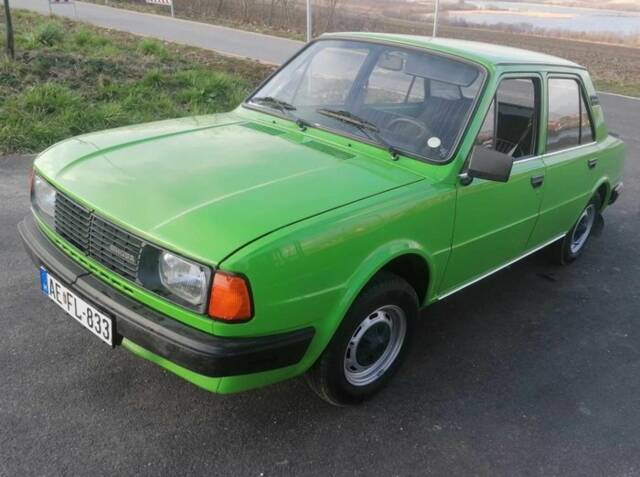
1984 | Skoda 120 L
Skoda - 120 L - 1984

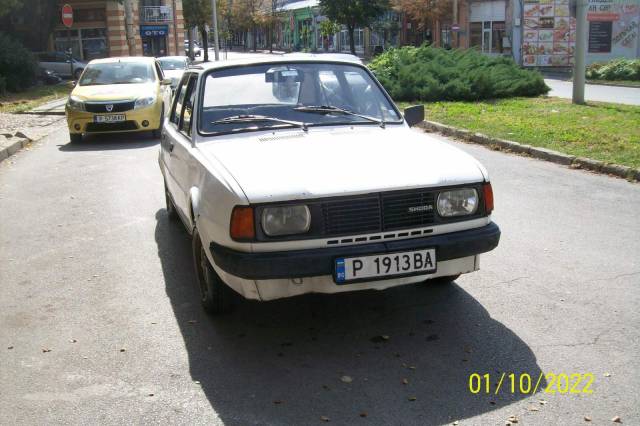
1983 | Skoda 120 L
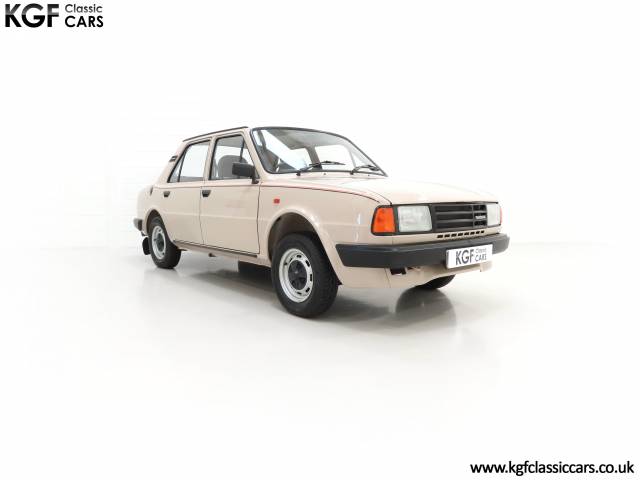
1989 | Skoda 120 L
A Wonderous Skoda Estelle Two 120L with One Owner and 14,413 Miles

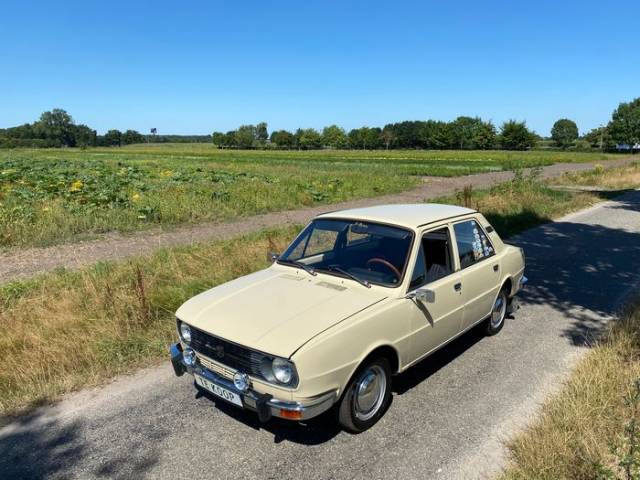
1979 | Skoda 120
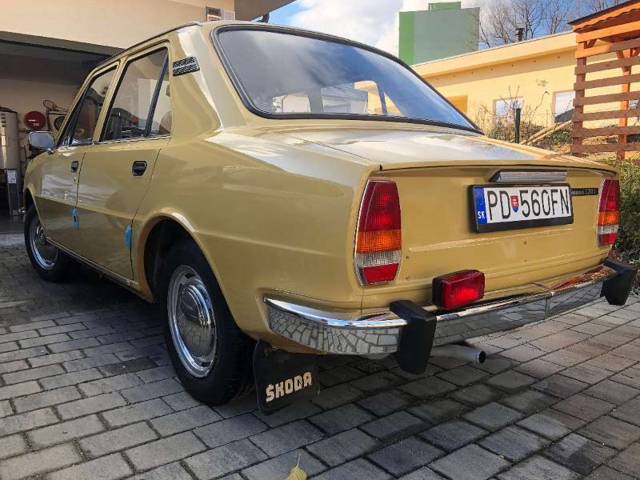
1979 | Skoda 120
For sale Skoda 120l with only 28500 km!!!
Create search alert
Let yourself be notified as soon as a listing is published that matches your search filters.
Create listing
Do you have a Skoda 120 that you want to sell? Then create a listing now.
Create listingSkoda 120 Classic Cars: Prices & Market Values
History of the Skoda 120
The Skoda 120 was produced by AZNP Mladá Boleslav as part of the Type 742 family, between 1976 and 1990. It marked Skoda’s commitment to rear-engined, rear-wheel-drive cars, building upon the success of previous models like the Skoda 105 and ultimately succeeded by the front-engine Skoda Favorit. Designed for Eastern Bloc families, the 120 placed functionality and reliability at its core. Skoda managed to produce over two million Type 742 cars, with the 120 establishing itself across global markets thanks to its reputation for simplicity and dependability.
Model History: Evolution and Range
The Skoda 120 was introduced alongside the 105 as part of a refreshed lineup. It featured small updates throughout its production run, including trim and minor mechanical improvements. Near the end of the series, the Skoda 125 and more powerful 135/136 models followed, adopting newer engines and some technical revisions. The rear-mounted engine layout persisted until the introduction of the front-wheel-drive Favorit, which replaced the Type 742 series in 1990.
Highlights and Notable Features
Known for its practicality, the Skoda 120 features a spacious front boot, rear engine cover with ventilation slats, and robust halogen headlamps. Comfort undertones are present, with fully folding front seats, headrests, and a heated rear window. Noteworthy are the comprehensive standard tool kit, lockable fuel cap, and securely mounted spare wheel. Dealer accessories like coachlines or rally decals were popular, but factory options were minimal—simplicity was the guiding concept.
Technical Data
Special Editions and Collectible Models
While the Skoda 120's factory philosophy focused on simplicity with virtually no official special editions, some examples became unique through dealer-applied accessories such as side coachlines, rally stripes, or market-specific decals. Later 120 models might be found with additional features or rare factory/fleet options but, as a rule, special editions were limited to minor dealer or aftermarket cues.
Weak Spots and Common Issues
Common concerns for Skoda 120 enthusiasts include: vigilance towards rust in the bodywork, especially underbody and wheel arches; checking the integrity of the original OHV engine for oil leaks; and ensuring good brake function due to standard, non-servo systems. Electrical systems can show age, especially regarding heating and window mechanisms. Complete tool kits and documentation are valued by collectors for originality.
Engine and Performance, Transmission and Handling
The rear-engined layout gives the Skoda 120 unique driving characteristics: good traction under acceleration, but handling that requires awareness in wet or fast bends due to weight bias. The 1.2-litre engine's modest power suits relaxed cruising, while the 4-speed manual offers straightforward, mechanical shifts. Simplicity dominates the suspension setup and road manners—functional rather than sporty. Popular sub-variants include the Skoda 120L (typically better equipped), 120GLS (with upgraded trim), and special rally-equipped versions seen in some markets. These often included subtle mechanical upgrades or cosmetic changes, resonating with collectors and fans interested in period-correct accessories.
Interior, Comfort, Exterior, and Design
The Skoda 120 adopts a straightforward Eastern European design: squared lines, practical placement of elements like headlamps, ventilated engine cover, and two-part black bumpers. The interior’s focus is utilitarian—black vinyl door cards, striped seat upholstery, and highly visible dials. Comfort elements include headrests, comprehensive heating with four washer jets, and safety equipment like rear child locks. Customers often found retail accessories, not factory extras: from extra radios to rally decals, everything bespoke was usually added post-purchase.
Other Features and Details
The Skoda 120 frequently features its original paperwork, service booklets, and even the factory jack and bulb kit. Some owners add historic rally stickers or dealership identifiers, increasing the historical traceability and appeal. The car’s historical context as a value family sedan, paired with design choices tailored to function, underpin its current visibility in the classic scene—especially in rare original condition.
Summary
The Skoda 120 remains a singular proposition among classic Eastern European saloons. Rear-engine technology, a focus on durability, and minimalistic accessories define its appeal. Surviving examples often come with a full ownership history, rare service tools, and practical engineering focused on everyday usability. Its high visibility in the collector market is supported both by availability and demand—especially for the 742-coded variants.