Skoda 110 classic cars for sale
The Skoda 110, built in the 1970s in Czechoslovakia, stands for robust rear-wheel drive engineering, modest engine displacement, and Eastern Bloc automotive tradition. Especially well-known is the sporty 110 R coupé, distinguished by its charismatic lines and affordability at the time. Vehicles in this series are frequently discovered as barn finds and restoration projects, often maintaining completeness and original features.
Search results
Currently, there are no matching listings for your search.
Create search alert
Let yourself be notified as soon as a listing is published that matches your search filters.
Create listing
Do you have a Skoda 110 that you want to sell? Then create a listing now.
Create listingSkoda 110 listing references from Classic Trader
Below you will find listings related to your search that are no longer available on Classic Trader. Use this information to gain insight into availability, value trends, and current pricing for a "Skoda 110" to make a more informed purchasing decision.
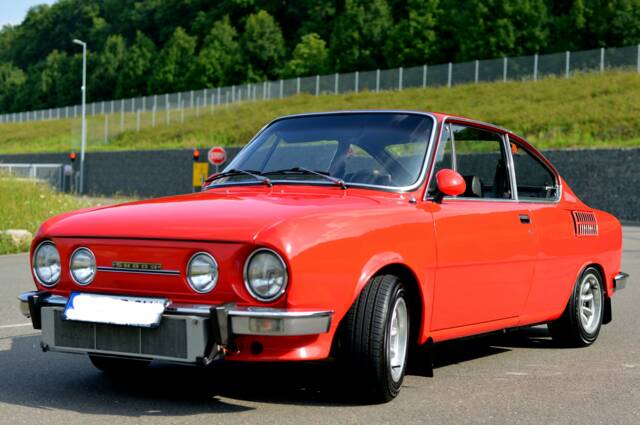
1978 | Skoda S 110 R
Skoda S110 R Technik 130 RS Wertgutachten mit Zustand 2 liegt vor

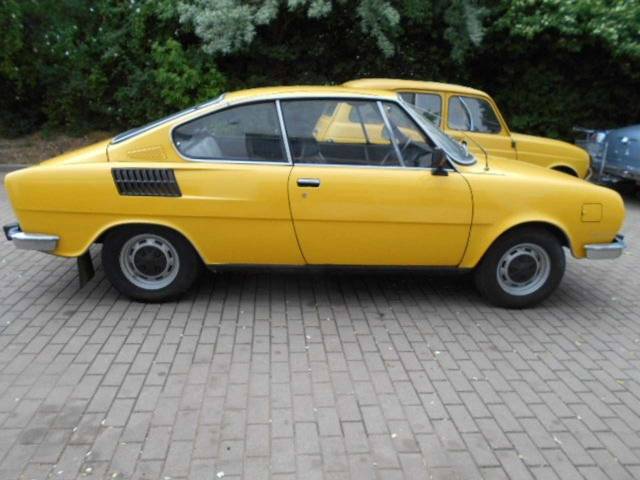
1974 | Skoda S 110 R
Skoda S 110 R
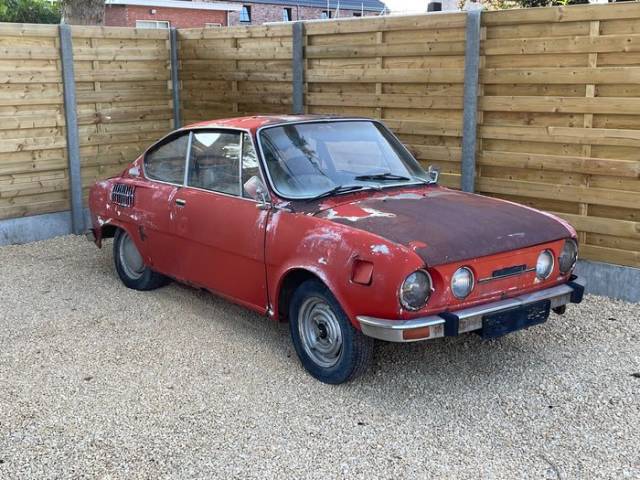
1974 | Skoda S 110 R

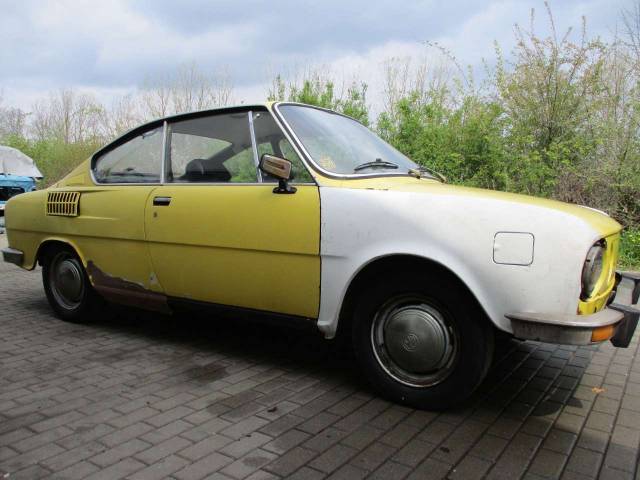
1974 | Skoda S 110 R
Skoda S 110 R
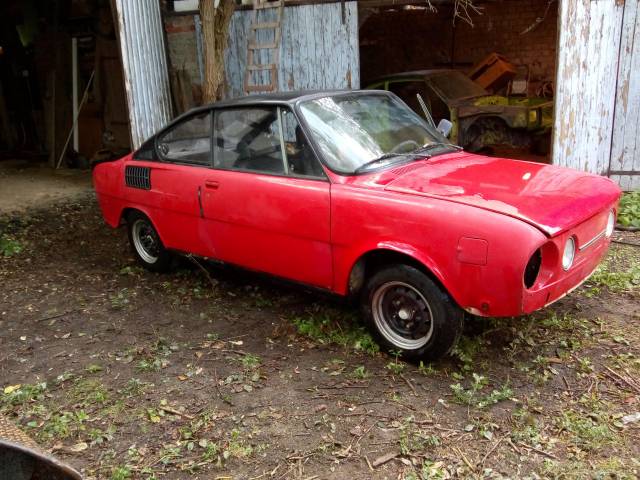
1978 | Skoda S 110 R
Scheunenfund Top Historie
Create search alert
Let yourself be notified as soon as a listing is published that matches your search filters.
Create listing
Do you have a Skoda 110 that you want to sell? Then create a listing now.
Create listingSkoda 110 Classic Cars: Prices & Market Values
History of the Skoda 110
Manufactured between 1969 and 1977 by AZNP in Mladá Boleslav, the Skoda 110 continued the rear-engine philosophy strong in Czechoslovakia. As successors to the Skoda 1000 MB and 1100 MB, these compact saloons represent a period when the brand pushed production numbers past the million-mark for the first time – with over a million units of the 100/110 series built in eight years. The car was aimed at practical family usage and economic ownership in a period of significant social and technical change in Eastern Europe.
Model history of the Skoda 110
The Skoda 110 grew directly out of the Skoda 1000 MB/1100 MB series, carrying forward the compact layout and pushing it further with a 1.1-litre engine variant. The line included both standard sedans and the more streamlined Skoda 110 R coupé, produced from 1970 to 1980, which stood apart with its fastback silhouette. High-performance derivations like the 120 S and 130 RS sport/rally models appeared in limited numbers, underlining the platform’s versatility. After 1977, the Skoda 110 was succeeded by newer generations, marking the end of the classic rear-engine era at Skoda.
Highlights of the Skoda 110 series
The Skoda 110 presents itself mainly as a rear-wheel-drive, rear-engined family saloon, but it is the 110 R coupé that truly stands out, owing to its unique styling reminiscent of period sports cars. Original features like painted bumpers, black vinyl roofs, and old-style German paper vehicle titles (Pappbrief) add character and collector interest. Frequent barn finds, often unrestored, offer a glimpse into the car’s utilitarian past. The interior, usually clad in black synthetic leather, and the sometimes rare original paperwork (from Germany, Hungary, or other countries), become talking points among enthusiasts.
Technical data of the Skoda 110
Special Editions and Collectible Models
The Skoda 110 R coupé is particularly noteworthy, as well as the even rarer sport/rally derivatives: the Skoda 120 S and 130 RS. Especially the 130 RS enjoys recognition among motorsport fans for its rally history and very limited production numbers, making these models valuable within the collector scene. Original colours and period-correct vinyl roofs also contribute to the appeal of certain editions.
Weak Spots and Common Issues
Buyers should check the underbody and longitudinal frame rails (Längsträger) carefully for rust – these areas are vulnerable and often require welding. Floors, especially on the driver’s side, commonly suffer from water ingress and corrosion. Rear wings may have been repaired or need restoration. Missing trim, glass, or door panels are not uncommon in unrestored cars. While most cars remain structurally robust, few are free from all corrosion or incomplete features, and many are sold as restoration projects with corresponding condition grades.
Engine and Performance, Transmission and Handling
With its rear-engine layout and rear-wheel drive, the 110 series provides balanced handling for a classic compact, albeit with modest performance from its small-displacement engines. The 110 R coupé, with its sportier tune, offers slightly improved dynamics and a distinctive driving feeling that echoes larger sports cars within Eastern Bloc limitations. Gearboxes are manual, tuned for reliability rather than speed.
Popular model: The Skoda 110 R coupé, produced from 1970 to 1980, is regarded as the highlight of the series for its unique appearance and increased collectibility. The 120 S/130 RS sport/rally variants appeal to historic motorsport fans for their rare combination of light weight and competitive success. undefined
Interior, Comfort, Exterior and Design
Externally, the Skoda 110 combines subtle Eastern European design cues with a practical saloon format. The 110 R coupé’s low roofline and fastback styling set it apart – often compared visually to period Porsche models. Special features include painted bumpers (often in black), period-correct synthetic leather upholstery (usually black), and vinyl roofs. Some examples retain original paint – most commonly yellow, but also seen in red/black combinations. Originality in features such as glass, trim, and even documentation enhances the appeal. Accessories are generally limited, reflecting functional priorities of the era.
Other relevant information
Many Skoda 110 cars have been uncovered as barn finds, indicating lengthy lay-up periods, mostly in dry storage. Vehicles are often registrable in several European countries and may still come with historic paperwork, including original German 'Pappbrief'. Cars are usually supplied complete, though some minor items (door panels, glass, small parts) may be missing. Many are sold in non-running but restorable condition.
Summary
The Skoda 110 series, with its robust design, distinctive rear-engine configuration, and highly sought-after 110 R coupé, embodies a unique chapter of Eastern European automotive history. Practicality, affordability in its day, and absolute period correctness characterise these classics. The model’s prevalence in our listings, together with the many restoration candidates, confirms the Skoda 110’s enduring presence in the classic car scene – especially among those searching for authenticity and Eastern Bloc flair.