Skoda 1102 classic cars for sale
The Skoda 1102 is a post-war Czech saloon that stands out with its pragmatic engineering and unmistakable Eastern Bloc charm. Praised for reliability and easy maintenance, it has earned a niche fanbase among enthusiasts interested in classic cars from Central Europe and represents an era of clever utilitarian design. Discover more about this model's unique history and features below.
Suchergebnisse
Zur Zeit sind keine passenden Inserate zu Ihrer Suche veröffentlicht.
Create search alert
Let yourself be notified as soon as a listing is published that matches your search filters.
Create listing
Do you have a Skoda 1102 that you want to sell? Then create a listing now.
Create listingSkoda 1102 listing references from Classic Trader
Below you will find listings related to your search that are no longer available on Classic Trader. Use this information to gain insight into availability, value trends, and current pricing for a "Skoda 1102" to make a more informed purchasing decision.
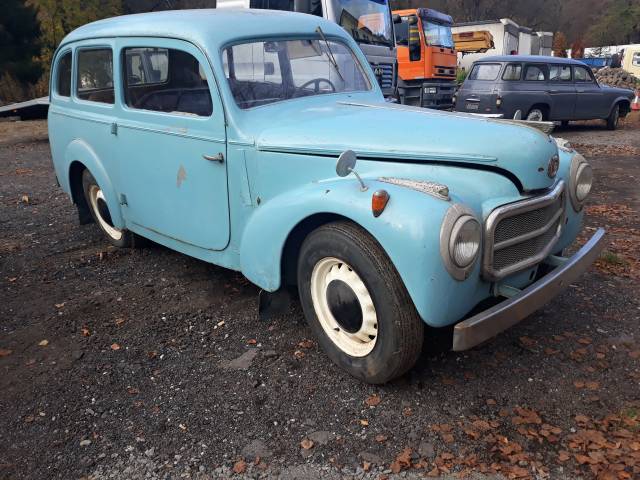
1951 | Skoda 1102
Tudor Rare
Create search alert
Let yourself be notified as soon as a listing is published that matches your search filters.
Create listing
Do you have a Skoda 1102 that you want to sell? Then create a listing now.
Create listingSkoda 1102 Classic Cars: Prices & Market Values
History of the Skoda 1102
Introduced in 1949, the Skoda 1102 was developed as a logical successor to the 1101, continuing Skoda’s efforts to rebuild after World War II. It kept the proven technical basis of its predecessor but introduced updated styling and minor mechanical improvements tailored to the challenges and needs of the immediate post-war period in Czechoslovakia. The 1102 became one of the country’s most widespread personal cars of the early 1950s, serving families and business owners alike. Its dependability and modest running costs made it an everyday sight on Eastern European roads, marking a significant chapter in the nation’s motoring history.
Model History
The Skoda 1102 directly followed the 1101 (also nicknamed 'Tudor'). While the 1101 and 1102 look very similar, the 1102 featured mechanical and electrical refinements and often served as a platform for Skoda’s estate and commercial variants. Its production spanned until 1952, giving way to the more modern 1200 series. As with many post-war models, much of its development focused on pragmatic upgrades rather than radical innovation, resulting in a range that was reliable and cost-effective for the mass market.
Highlights of the Skoda 1102
A hallmark of the Skoda 1102 is its pragmatic simplicity. Its backbone chassis and robust four-cylinder engine epitomise post-war engineering that prioritised reliability and maintainability. The model was produced in several body styles—including saloon and convertible—making it flexible for various uses. Its simplicity makes it straightforward to restore and maintain, a characteristic appreciated by collectors seeking an approachable classic.
Technical Data
Special Editions and Collectible Models
There were no official factory special editions of the Skoda 1102, but custom-bodied convertibles and estate variants based on the 1102 running gear were produced by various coachbuilders, particularly in Czechoslovakia. These versions are especially appealing to collectors interested in unique bodywork or local craftsmanship from the era.
Weak Spots and Common Issues
While known for mechanical simplicity, age-related issues like corrosion of the chassis and body panels, degraded rubber bushings, and wear in the electrical system are typical. Mechanical parts are generally easy to source in Eastern Europe, but specific trim components and original interior fittings can be challenging to find in good condition. Regular attention to lubrication points and the cooling system is advisable for reliable long-term usage.
Engine and Performance, Transmission and Handling
The Skoda 1102’s modest 32 hp offers lively city driving by period standards but quickly reaches its limits on modern roads. Its rear-wheel-drive setup and leaf-sprung chassis deliver a straightforward, predictable driving experience. Gearshift action is mechanical but precise once properly maintained. Braking performance is typical for drum setups of the era—adequate if well cared for, but requiring more attention than modern systems. The saloon is the most commonly encountered variant and generally easiest to maintain. Custom convertibles or estate bodies, while rarer, offer additional interest for enthusiastic collectors with restoration skills.
Interior, Comfort, Exterior and Design
The design of the Skoda 1102 reflects its early 1950s origins, with practical steel construction and moderate chrome accents. Interiors are typically simple, fitted with basic instrumentation and hard-wearing cloth or vinyl for seats. Most cars came in utilitarian colours, though export models sometimes featured brighter paintwork. Accessories such as roof racks and custom upholstery were dealer- or owner-installed rather than official extras, but today original features like dashboard details or period-correct hubcaps significantly boost appeal among enthusiasts.
Other Features
Due to its straightforward engineering, the Skoda 1102 is often adapted by owners for various uses, including historic rally events or as part of club activities in Central Europe. The model’s practical approach and affordable running costs remain attractive for classic newcomers and those seeking an easy-to-live-with vintage vehicle.
Summary
The Skoda 1102 is a classic that encapsulates the pragmatic spirit of post-war Czechoslovakian car design. Appreciated for its mechanic-friendly layout, modest running costs, and robustness, it remains a solid choice for enthusiasts with an interest in Eastern European motoring history. Although rare on Western markets, dedicated owners benefit from an active enthusiast scene and reasonably accessible parts.