Skoda 105 classic car for sale
The Skoda 105 stands out as a rear-engined, rear-wheel-drive family car manufactured in Czechoslovakia from 1976 to 1990. With its honest engineering, robust mechanics and compact format, the 105 is still a favourite among classic car enthusiasts who appreciate originality and practical vintage driving.
Search results
Currently, there are no matching listings for your search.
Create search alert
Let yourself be notified as soon as a listing is published that matches your search filters.
Create listing
Do you have a Skoda 105 that you want to sell? Then create a listing now.
Create listingSkoda 105 listing references from Classic Trader
Below you will find listings related to your search that are no longer available on Classic Trader. Use this information to gain insight into availability, value trends, and current pricing for a "Skoda 105" to make a more informed purchasing decision.
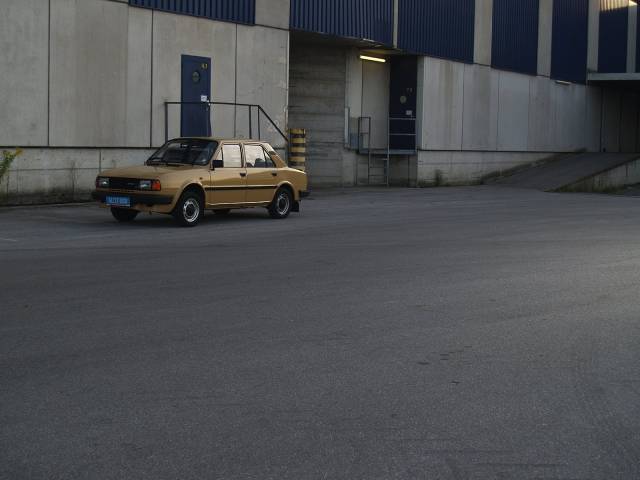
1986 | Skoda 105 L
29875 mls / original paintwork / original throughout

Create search alert
Let yourself be notified as soon as a listing is published that matches your search filters.
Create listing
Do you have a Skoda 105 that you want to sell? Then create a listing now.
Create listingSkoda 105 Classic Cars: Prices & Market Values
History of the Skoda 105
The Škoda 105, built by AZNP in Mladá Boleslav, played a central role in Eastern European automotive history throughout the late 1970s and 1980s. Developed as part of the Type 742 series, the model was a direct response to the demand for accessible, sturdy family cars in the Eastern Bloc. Production began in 1976, continuing until 1990, and the Skoda 105 soon became a common sight from Prague to Vienna. Its rear-engine, rear-wheel drive configuration marked a continuity of Czech engineering tradition and set it apart from Western competitors dominated by front-engine layouts. Over two million cars from the 742 family rolled off the production line, proving the model's ubiquity and relevance during its production span.
Model history
The Skoda 105 replaced earlier Skoda small family cars by introducing modernised features and updated styling. It formed the backbone of the 742 chassis, alongside the Skoda 120 and, later, the Skoda 125. In the closing production years, the 135 and 136 models with upgraded 1.3-litre engines and some technical revisions started to replace the 105, especially as front-wheel drive models (e.g., Skoda Favorit) came to the market, setting a new path for the manufacturer.
Highlights of the Skoda 105
The Skoda 105 features a 1.05-litre four-cylinder engine mounted at the rear, making it distinctive among its contemporaries. This engine, coupled with the rear-wheel drive, ensured a simple and easily maintainable drivetrain. The bodywork was available mostly as a 4-door saloon, with a characteristic boxy silhouette that symbolised Czechoslovak automotive design. Key appeals for classic car buyers are the model's robustness in everyday use, the availability of original paint and trim, and its suitability for historic car registration in Central Europe. Some surviving examples still feature original Czech registration and authentic first paint.
Technical data
Special Editions and Collectible Models
There are no officially recognised special editions of the Skoda 105. The model owes its collector value mostly to vehicles in original condition, with well-preserved paintwork and interior, or with distinctive histories, such as first registration in Czechoslovakia or rare factory accessories.
Weak Spots and Common Issues
Although specific known weak spots are not listed, common considerations for the Skoda 105 include checking for corrosion in the body panels and undercarriage, monitoring the cooling system particular to its rear-mounted engine, and verifying the functionality of brakes and battery. Surviving examples are often well-cared-for, but as with any car from this era, a thorough check for electrical reliability and wear in suspension components is advised.
Engine and Performance, Transmission and Handling
The 1.05-litre engine develops modest power, suitable for relaxed classic motoring. The rear-engine layout creates a unique driving dynamic, especially in low-grip conditions, with predictable handling but the potential for oversteer when pushed. A manual four-speed transmission and relatively simple mechanical setup make the Skoda 105 easy to maintain and cost-effective to own. Given its size and power, it is best suited to urban and country driving rather than motorway speeds. Key variants of interest include surviving examples with low mileage, original Czech-market specification, and cars retaining early features or factory finishes.
Interior, Comfort, Exterior and design
The Skoda 105 was designed with functional simplicity in mind. The angular bodywork and upright proportions are typical of Eastern European automotive style from the time, with minimalistic chrome accents and clean lines. The interior is robust and user-friendly, typically finished in practical vinyl with simple instrumentation. Factory accessories were basic but could include items such as a clock, radio or additional instrumentation in higher trims. Well-preserved cars may have original paint and historical registration documents that add to their period authenticity.
Other relevant features
Many Skoda 105s available today are noted for their original paint and careful stewardship. Because of their straightforward construction, they also lend themselves well to restoration projects and can be registered as classics in Austria and other European markets.
Summary
The Skoda 105 remains an important chapter in Eastern European car culture, embodying robust, practical engineering with a clear regional character. For collectors seeking originality, low running costs and a genuine flavour of 1970s and 80s Czechoslovakia, the 105 offers a compelling choice among classic small family cars.