- Automobil
- Simca Fiat
- Simca Fiat 508 (0 Angebote)
Simca Fiat 508 Classic Cars for Sale
The Simca Fiat 508 is a rare 1930s French-built saloon closely based on the Fiat Balilla, reflecting the early cooperation between Fiat and SIMCA. With its distinctive period features and limited availability, it attracts collectors seeking unique pre-war vehicles with authentic continental engineering and styling.
Suchergebnisse
Zur Zeit sind keine passenden Inserate zu Ihrer Suche veröffentlicht.
Create search alert
Let yourself be notified as soon as a listing is published that matches your search filters.
Create listing
Do you have a Simca Fiat 508 that you want to sell? Then create a listing now.
Create listingSimca Fiat 508 listing references from Classic Trader
Below you will find listings related to your search that are no longer available on Classic Trader. Use this information to gain insight into availability, value trends, and current pricing for a "Simca Fiat 508" to make a more informed purchasing decision.
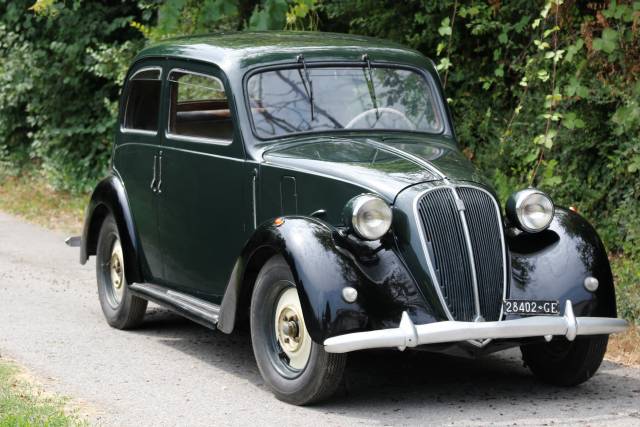
1938 | Simca Fiat 508 C Balilla
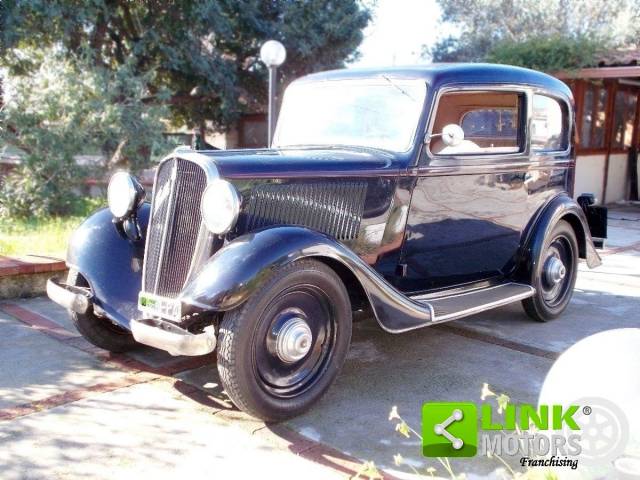
1936 | Simca Fiat 508 Balilla Series 2
Fiat 508 Balilla Berlina 2 porte (1936) INTONSA
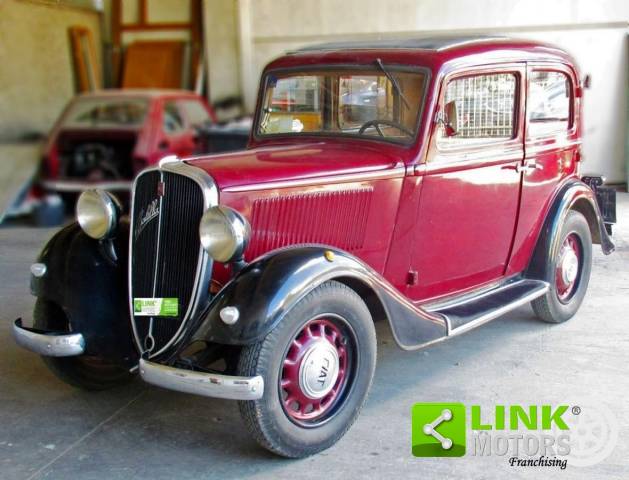
1935 | Simca Fiat 508 Balilla Series 2
FIAT 508 BALILLA 1935, CONSERVATA, VERNICE ORIGINALE, 4 MARCE, 4 PORTE, TARGHE E LIBRETTO ORIGINALI.
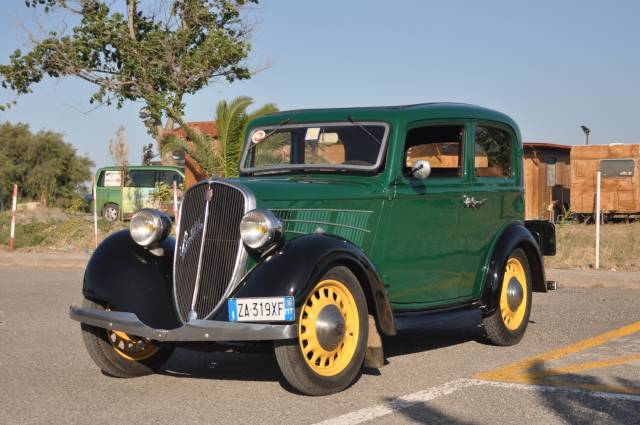
1936 | Simca Fiat 508 Balilla Series 2
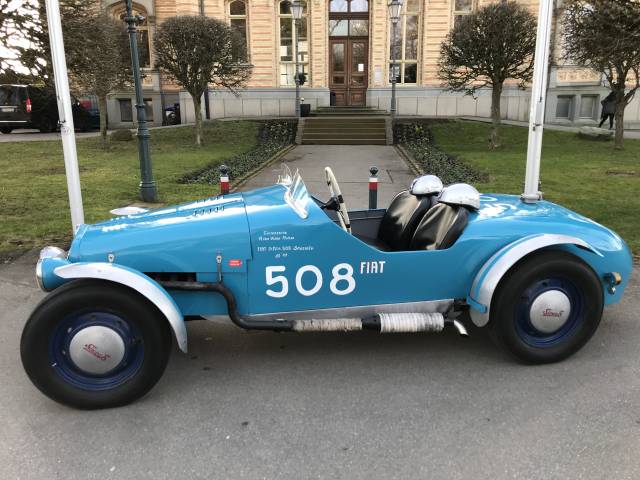
1949 | Simca Fiat 508 Balilla Special
Fiat Simca 508 Special
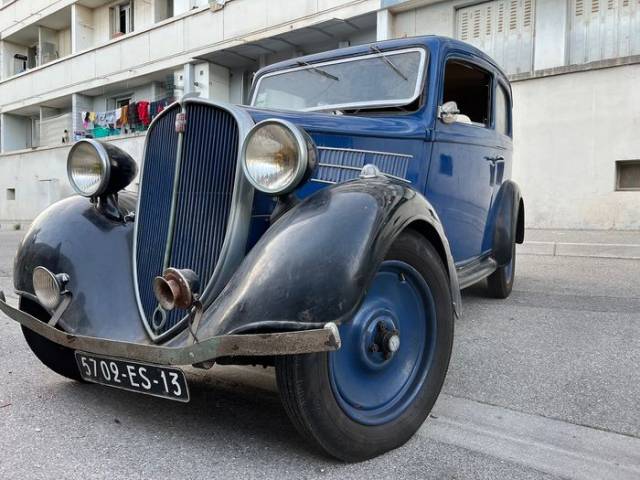
1937 | Simca Fiat 508 Balilla Series 2
1937 | Simca Fiat 508 Balilla Series 2
Create search alert
Let yourself be notified as soon as a listing is published that matches your search filters.
Create listing
Do you have a Simca Fiat 508 that you want to sell? Then create a listing now.
Create listingSimca Fiat 508 Classic Cars: Prices & Market Values
History of the Simca Fiat 508
SIMCA (Société Industrielle de Mécanique et Carrosserie Automobile) was established in November 1934 to manufacture and distribute Fiat models in France under licence. The collaboration marked a significant step for Fiat in extending its influence beyond Italy, allowing French buyers access to modern designs and reliable Italian mechanicals. In July 1935, Simca began putting its name diagonally across the Fiat badge on the car’s grille, signalling its dual heritage. The Simca Fiat 508, introduced under this agreement, became a symbol of French-Italian automotive synthesis during a pivotal era. Known for its practicality in everyday use and solid engineering, the 508 contributed to SIMCA's early reputation in France.
Model Series Development
The Simca Fiat 508 traces its roots directly to the Fiat Balilla 508, an Italian compact car launched in the early 1930s. As Simca opened its Nanterre plant, it imported and assembled these models, adapting them for local French clientele. In late 1935, the four-door saloon version received updates, including new aluminium trim on the bonnet highlighting the ventilation slots, which later led collectors to refer to this version as the 'Comète'. The 508 Balilla remained in production in France until further models replaced it as post-war needs and styling evolved.
Unique Features and Market Highlights
The Simca Fiat 508 features a compact and nimble chassis, lightweight bodywork, and period-correct detail changes unique to the French-assembled versions such as emblem placement and bonnet trim. The 508’s robust 6CV engine provided reliable power suitable for interwar French roads. Its rarity is underscored by the limited production span and regional sales, making well-preserved examples highly sought after among pre-war car enthusiasts.
Technical Data
Special Editions and Collectible Models
The 1935 re-styled four-door saloon, often termed the 'Comète' by collectors due to its distinctive bonnet aluminium trim, stands out among early French-assembled Simca Fiat 508s. Limited numbers and subtle trim variations make the Comète version particularly notable for those seeking a differentiating feature among early SIMCA models.
Weak Spots and Common Issues
No specific documented weak spots for the Simca Fiat 508 are provided. However, as with most 1930s vehicles, potential buyers should carefully inspect rust-prone areas, the structural integrity of the bodywork, and the electrical system. Mechanical wear in the drivetrain or suspension may also be present due to age, and sourcing original French-specific body parts can be a challenge.
Engine, Transmission and Road Behaviour
The Simca Fiat 508 offers straightforward, period-correct driving behaviour, with its 6CV inline-four engine paired to a manual gearbox. Power output, while modest by modern standards, ensures an authentic pre-war motoring experience. The car’s chassis balances simplicity and function, making it agile enough for urban and rural French roads of its era. Notable is the absence of advanced driving aids, keeping the focus firmly on mechanical engagement and traditional handling responses. Outstanding among early Simca Fiats is the four-door Comète saloon, favoured by collectors for its visual and historical uniqueness.
Design: Interior, Comfort, and Exterior Details
The Simca Fiat 508 reflects understated 1930s style, with a functional but attractive exterior featuring simple body lines and characteristic aluminium bonnet trim on later versions. Interiors are typically sparse yet elegant, made with period-correct materials and simple instrumentation. Special design distinctions include the diagonal SIMCA badge and the re-styled bonnet vent highlight. Accessories were minimal, but French market specifics sometimes included unique trim or colour options.
Other Noteworthy Features
The transition from pure Fiat production to SIMCA’s adaptation reflected the broader trend of European automotive collaboration and localisation in the 1930s. This Franco-Italian joint venture paved the way for a distinct segment of vehicles tailored for the French market with Italian engineering roots.
Summary
The Simca Fiat 508 remains a seldom-seen testament to cross-border automotive partnerships of the pre-war era. Its exclusive focus in both supply and demand within the Simca Fiat line on the Classic Trader platform shows how it stands apart in both history and collectability. Enthusiasts value its authentic blend of Italian mechanics and French assembly, as well as its unique model features such as the Comète bonnet treatment.