- Automobil
- Robin Hood
- Robin Hood S7 (1 Angebot)
Robin Hood S7 classic cars for sale
The Robin Hood S7 is a kit car grounded on a steel monocoque chassis, often drawing on parts from classic Fords and tailored for sharp acceleration and dynamic driving. Experienced hands built these mostly as bespoke classics, blending British sports car tradition with raw personalisation.
Suchergebnisse
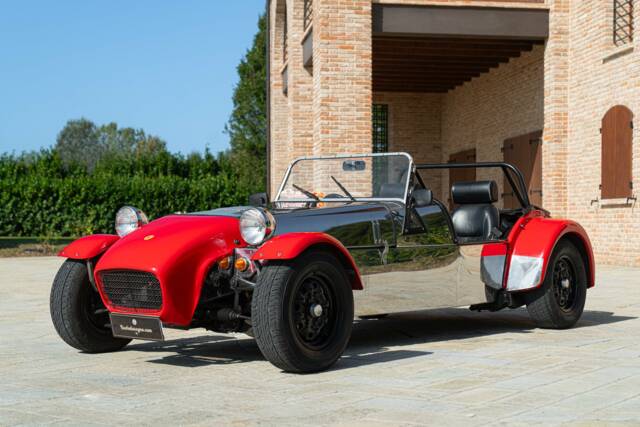
1979 | Robin Hood S7
Robin Hood Engineering S7
Robin Hood S7 listing references from Classic Trader
Below you will find listings related to your search that are no longer available on Classic Trader. Use this information to gain insight into availability, value trends, and current pricing for a "Robin Hood S7" to make a more informed purchasing decision.
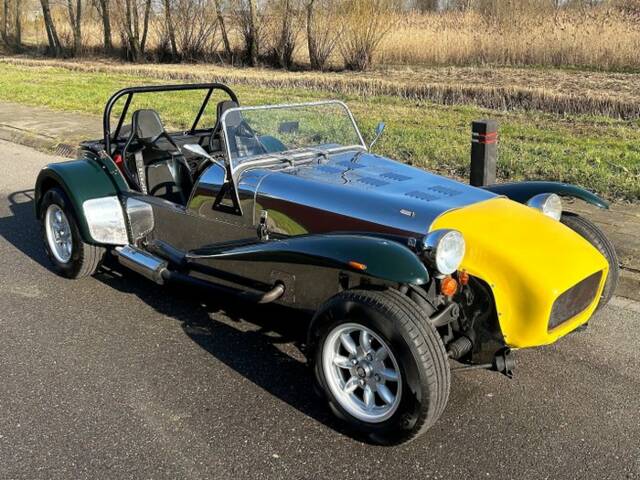
1993 | Robin Hood S7
Robin Hood - S7 - 1993
1993 | Robin Hood S7
Robin Hood - S7 - 1993
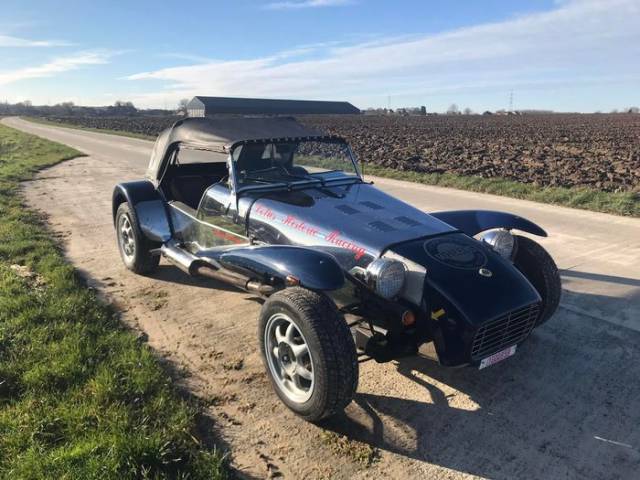
1965 | Robin Hood S7
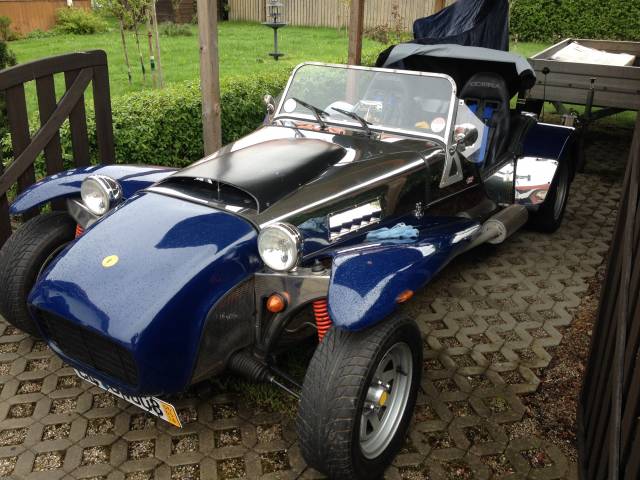
1984 | Robin Hood S7
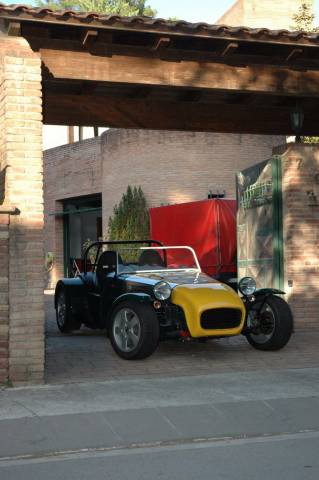
1992 | Robin Hood S7
Early Robin Hood, not the 2B, monocoque version
Robin Hood S7 Classic Cars: Prices & Market Values
History of the Robin Hood S7
The Robin Hood S7 emerged from Robin Hood Engineering Ltd. as their debut model, marking the company's entry into the lightweight kit car scene. The S7 was crafted to tap into the British tradition of affordable, adaptable sports cars, mirroring the celebrated Lotus Seven ethos. Its steel monocoque construction was a stark contrast to typical tubular spaceframes of the time, aiming for additional strength and cost-effective production. The kit format enabled enthusiasts to pair robust donor components, usually from Ford Cortina or Sierra, with the agile S7 shell, fostering a community of skilled garage builders. Over the years, S7s evolved with an array of engines and running gear, often reflecting the availability and creativity of their builders across Europe. Many are street-legal and found in circuit use, rallying, or on continental tours, thanks to flexible registration policies, especially in the UK and Belgium.
Model History
The S7 stands as Robin Hood's foundational model series, inspired by the classic Lotus Seven layout but executed with a distinctive monocoque philosophy. No major direct predecessor exists – the S7 itself spawned later Robin Hood variations and updates, particularly as donor car models progressed from Cortina to Sierra. The flexibility in the S7's kit design allowed successive types with new engines, suspensions, and interiors as car culture and available technology advanced. Each S7 is essentially unique: manufacturing followed an almost boutique approach, with most built as one-offs or in very small series.
Highlights of the Robin Hood S7
The Robin Hood S7 is known for its steel monocoque chassis, which sets it apart from most Seven-style kit cars relying on spaceframes. Typically, it uses engines like the Opel C20XE 2.0L 16V or Ford's 1.6L units, married to five-speed gearboxes often from Vauxhall or Ford. Stainless 4-in-1 exhausts, adjustable suspension (with three settings), and comfort upgrades—like 8-point harnesses—make these very versatile. The body is commonly finished in classic British shades, from deep green to Lotus-inspired yellow. Roofs and other add-ons are available, extending usability. Each example reflects the builder's creativity, from motorsport tuning to street-friendly trim.
Technical Data
Special Editions and Collectible Models
The Robin Hood S7 kit car history is defined by its unique builds rather than factory editions. Most S7s are highly individual, often featuring bespoke tuning or rare accessories. Special mentions go to versions using performance-oriented powerplants (like the Opel C20XE) or significant motorsport gear, but there are no documented factory special editions.
Weak Spots and Common Issues
Given their kit nature and age, S7s can show wear typical for self-assembled classics: variable build quality, occasional corrosion if not properly maintained (especially on earlier steel panels), imperfections in bodywork, and component wear from motorsport use. The stainless steel exhaust is a strength, but look for issues around the chassis, adjustable suspension, and the reliability of donor drivetrains. Replacement parts depend on the original donor vehicle and individual modifications.
Engine and Performance, Transmission and Handling
With robust and lightweight construction, the S7 is capable of brisk acceleration and pleasing driving dynamics. The vehicle’s light monocoque chassis, paired with engines like the 2.0L 16V Opel C20XE, enables quick reactions and a lively road presence. Handling is customisable, thanks to adjustable suspension and convertible setup (right or left-hand drive). Transmission choices are usually five-speed manuals, taken from contemporary donor cars (e.g., Vauxhall Omega). Audi motorsport roots appear in some examples, and the S7’s road-legal status means performance can be adapted for both track and touring. - S7 with Opel C20XE 2.0l 16V (lightweight, performance-oriented)
- S7 with Ford 1.6l (comfortable cruiser, reliable Ford components)
- Vauxhall Omega 5-speed setup (popular for smooth shifting)
Interior, Comfort, Exterior and Design
Classic British two-seater lines dominate, often painted in British Racing Green or Lotus F1-inspired yellow. Interiors are typically stripped for weight but can feature comfort extras like multi-point harnesses and optional roofs. The monocoque steel construction shapes the S7’s look and feel compared to spaceframe competitors. Accessories, from custom instruments to alloy wheels, are common and reflect the personal choices of each builder. Stainless details such as exhausts add durability and style.
Other Relevant Features
The S7’s registration flexibility—allowing approval in several European countries, including Belgium—enhances its appeal for cross-border enthusiasts. The model is notable for its adaptability to left- or right-hand drive, and occasional motorsport history, which may add provenance to certain examples. Age-related blemishes and signs of use are normal, and provenance varies significantly depending on builder skill and originality.
Summary
The Robin Hood S7 stands as a genuinely bespoke British kit car, combining a robust steel monocoque with accessible, widely available Ford and Opel mechanicals. Each S7 is an individual project, resulting in broad variety across the market. With 100% of Robin Hood listings focused on this model, it is the brand’s calling card, offering a unique entry into quirky, custom classic motoring.