Riley MPH classic cars for sale
The Riley MPH, produced between 1934 and 1935 in Coventry, represents the essence of pre-war British sports car engineering. Built in extremely small numbers, these two-seaters combine rare craftsmanship with a motorsport spirit, making each example a piece of automotive history that is highly sought after by true connoisseurs.
Search results
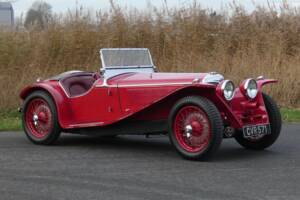
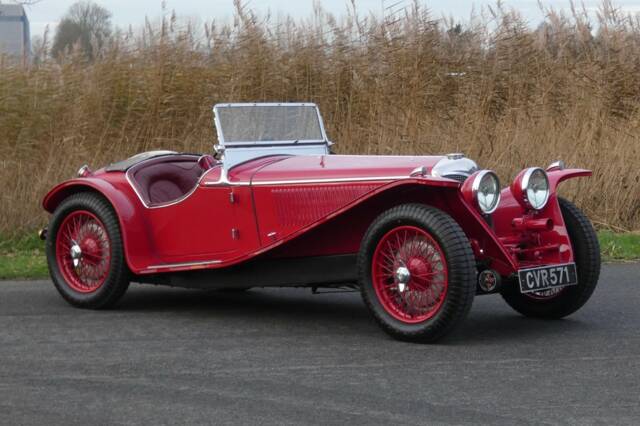
1936 | Riley MPH
MPH Replica

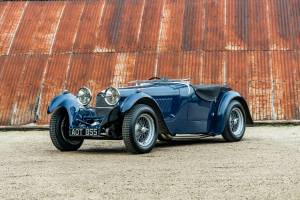
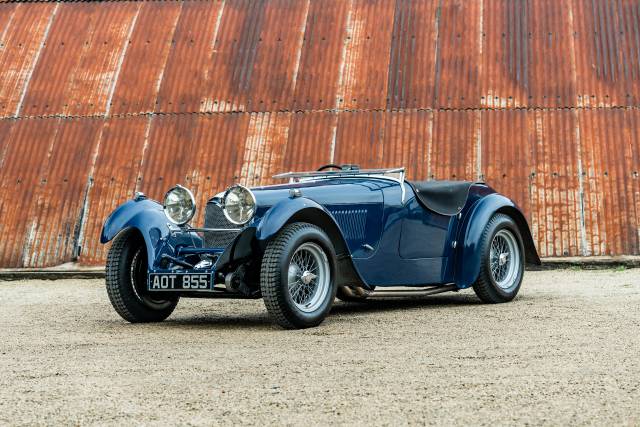
1935 | Riley MPH
Unique Bertelli Coachwork

Riley MPH Classic Cars: Prices & Market Values
History of the Riley MPH
The Riley MPH was manufactured for a brief period between 1934 and 1935 by Riley, a marque based in Coventry renowned for its innovative engine designs and competition pedigree. The MPH emerged as a flagship sports model at a time when British motoring was embracing performance and elegance. The car was intended for discerning drivers seeking both striking looks and genuine sporting credentials, echoing Riley's success on the racetrack. As production numbers remained very limited, surviving examples offer a direct link to a golden era of motoring and embody Riley's artisanal approach to manufacturing.
Model History of the Riley MPH
The MPH model succeeded earlier Riley sports models, integrating lessons learned from both road and competition variants. It effectively bridged the company's popular TT Sprite and the subsequent Riley Kestrel, with the MPH focusing solely on pure, open-top performance. With very few cars leaving the factory, each MPH has its unique history, frequently tailored to individual specification. The rarity of this model has ensured its place at the centre of Riley’s legacy.
Highlights of the Riley MPH
Every Riley MPH was assembled to embody sporting potential and elegance. Signature features include advanced (for their era) mechanical layouts, a lightweight body construction, and beautifully streamlined lines. The extremely limited number of units produced stands out as an important hallmark. Enthusiasts value the blend of robust Riley engineering, hand-finished details, and authentic pre-war British sports car character.
Technical Data for the Riley MPH
Special Editions and Collectible Models
With such low production numbers, each original Riley MPH is special in its own right. Some surviving cars feature unique period modifications or customer-ordered details, reflecting the bespoke nature of the model. However, there were no officially designated 'special editions' during the original production run.
Engine, Performance, Transmission and Handling
The Riley MPH was engineered for drivers who demanded sporting capability on both road and track. The precise steering, compact proportions, and advanced chassis design for its time result in nimble handling, direct response, and engaging driving dynamics. Riley’s straight-six engines delivered both flexibility and spirit, lending the car notable acceleration and a sporty engine note. Early examples were often equipped with synchromesh transmissions, a technical highlight among pre-war sports cars. Due to the rarity and the bespoke configuration typical of each MPH, there are no specific variants that stand out—every surviving MPH attracts attention due to its authenticity and documented provenance.
Interior, Exterior and Design
The exterior design of the Riley MPH is characterised by a sculpted, low-slung body, sweeping wings, and a pronounced bonnet line, capturing the spirit of 1930s sporting motoring. Interiors were finished with simplicity and focus—leather bucket seats and minimalist instrument layouts were typical. Coachbuilt bodies were often tailored to buyer preference, with choices in colours, finishes, and detailing. Functional elegance trumped ornamentation, though details such as wire wheels and low-profile windscreens lend further period-correct authenticity.
Summary
The Riley MPH remains the epitome of pre-war British sports car heritage, with each specimen reflecting a rare blend of engineering ambition and artisan construction from the mid-1930s. Owning an MPH is a testament to enthusiast passion for originality and a direct connection to a climactic era in British motoring history.