Riley 12/6 Classic Car for Sale
The Riley 12/6, produced from 1932 to 1935, represents the technical and stylistic transition of the Riley brand, positioned precisely between the smaller 9 and the 14/6. Noted for its six-cylinder engine, the 12/6 blended sporty performance with an undercurrent of luxury—making it a truly unique British pre-war saloon.
Search results
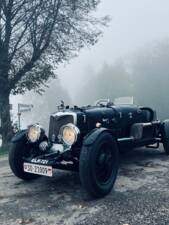
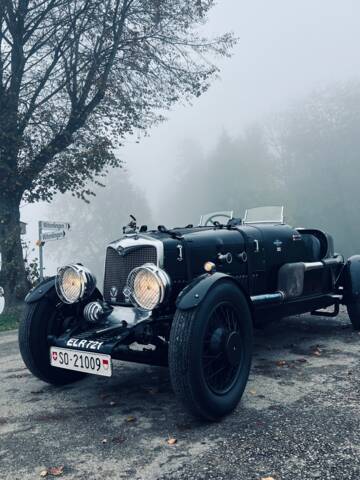
1938 | Riley 12/6 Kestrel Special
Rennwagen mit Strassenzuslassung

Riley 12/6 listing references from Classic Trader
Below you will find listings related to your search that are no longer available on Classic Trader. Use this information to gain insight into availability, value trends, and current pricing for a "Riley 12/6" to make a more informed purchasing decision.
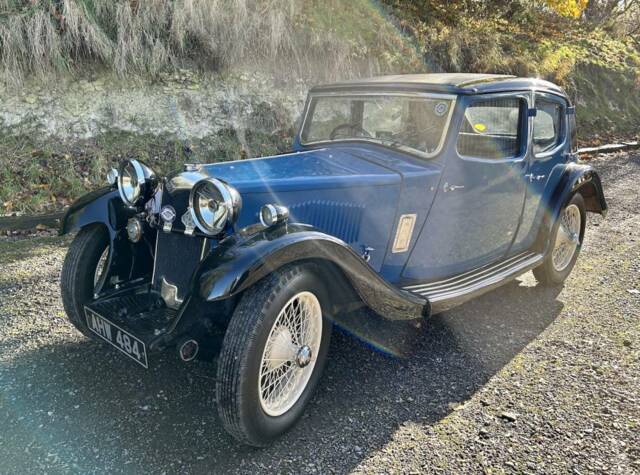
1934 | Riley 12/6 Kestrel
1934 Riley Nine Kestrel - all-helical gearbox

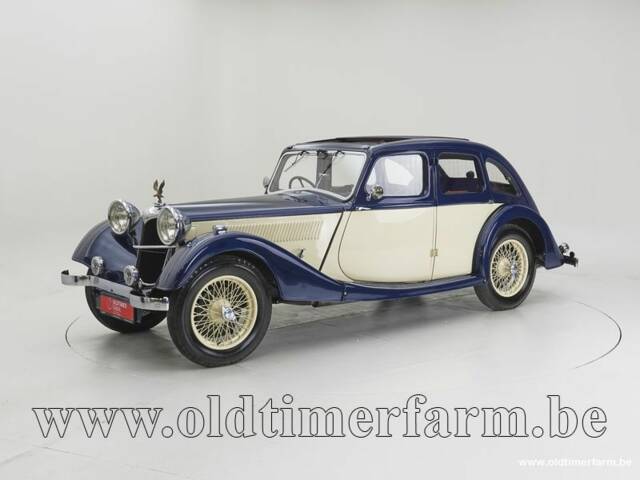
1936 | Riley 12/6 Kestrel
1936 Riley 12/4 Kestrel '36

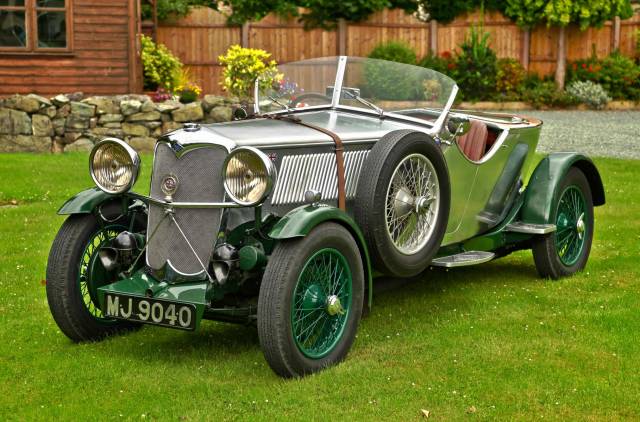
1935 | Riley 12/6 Kestrel
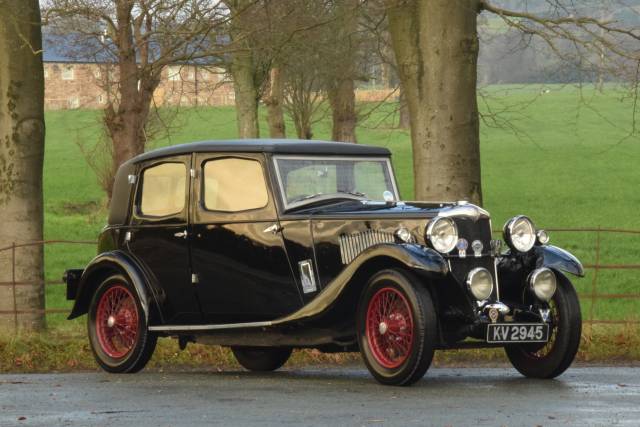
1932 | Riley 12/6 Mentone
Ex Olimpia motorshow car
Riley 12/6 Classic Cars: Prices & Market Values
History and Introduction of the Riley 12/6
The Riley 12/6 was introduced in late 1932, following in the footsteps of the larger 14/6 but with a distinctive identity tailored to the middle segment. Designed to fill the gap between the nimble Riley 9 and the more powerful 14/6, the 12/6 arrived at a time when racing class regulations dictated much of vehicle development. Its 1.5 litre six-cylinder engine was both responsive and refined, enabling the Riley 12/6 to cater to customers needing a saloon suited for both everyday driving and spirited excursions. The chassis, a stretched iteration of the Riley Nine, provided comfort and a sense of modernity, with features reflecting the brand's motorsport influences.
Model History of the Riley 12/6
The 12/6 replaced the Riley 14/6 and carved its niche by offering an intermediate option within Riley’s line-up. It retained the four-door saloon layout throughout its production from 1932 to 1935, with no direct variants developed beyond this foundation. Various chassis types such as S26K, 27K, and 28K were employed, and special-bodied Kestrel options highlighted the 12/6's streamlined styling. While the standard model maintained its role as a practical saloon, bespoke versions—especially the Kestrel—captured contemporary automotive trends toward aerodynamics and luxury. The lineage did not directly continue after 1935, as Riley reverted to naming conventions and models predating the 12/6, illustrating its unique transitional status within the brand.
Highlights of the Riley 12/6
The Riley 12/6’s most outstanding quality is its blend of mechanical robustness and elegant styling. Equipped with a fast-revving 1.5-litre DOHC six-cylinder, the car delivered a level of performance typically reserved for sportier models of its era. Notable for innovative features such as the pre-selector gearbox, aluminium bodywork in special editions, and advanced instrumentation with Jaeger gauges, the 12/6 also featured striking 19-inch spoked wheels and streamlined body lines. Interior craftsmanship, highlighted by hand-finished leather bucket seats and aluminium dashboards, set new standards in the mid-size saloon segment.
Technical Data
Special Editions and Collectible Models
The most significant special edition of the 12/6 is the Kestrel variant, distinguished by its streamlined fastback design and limited production—about 1,300 to 1,500 units including the rarer Sprite-engined versions. Some hand-built specials featured unique configurations, such as six Amal carburettors (one per cylinder), or exclusive bodywork with aluminium panels and race-oriented features; these exemplified Riley’s motorsport DNA and catered to enthusiastic drivers seeking a car with both luxury and racing potential.
Weak Spots and Common Issues
No widespread, model-typical weaknesses for the Riley 12/6 have been reported in the available data. Given its hand-crafted nature, condition depends largely on previous restoration quality. As with many pre-war vehicles, pay close attention to aluminium bodywork for signs of corrosion or fatigued rivet joints, inspect the mechanicals for wear, and review any modifications or updates during prior restorations, especially regarding electrics and lubrication systems.
Engine and Performance, Transmission and Handling
The six-cylinder DOHC engine positioned the Riley 12/6 ahead of many contemporaries in terms of road performance. Drivers experienced responsive acceleration, with steady torque delivery thanks to the long prop shaft and robust transmission. Handling benefitted from the extended chassis, offering comfort for long journeys as well as stability during more spirited driving. The optional pre-selector gearbox enhanced driving comfort for period grand touring use. Brake drums were designed to be coolable, and adjustable sports seats allowed for custom driver fit. Special mention must be made of the Kestrel-bodied 12/6, not only for its aerodynamic design but also for being a precursor to later streamlined vehicles; it’s also the most sought-after submodel both for its looks and its limited production run.
Interior, Comfort, Exterior and Design
Design details of the Riley 12/6 reflect both British coachbuilding traditions and the pursuit of functional sportiness. Notable are the six-light saloon configuration, with three windows per side, and the gently sloped grille for a more athletic front appearance. Most 12/6s could be specified with two-tone paintwork and flowing aluminium body panels—either as part of standard builds or via bespoke coachbuilders. The interiors were typically trimmed in fine leather, with bucket seats and spacious rear seating, plus a full suite of aluminium-cased Jaeger instruments. Some examples included fold-out windows or sunroof options, and accessories such as period-correct fog lamps and external handbrakes. Larger boot space than its predecessor also pointed toward practical luxury for touring.
Other Unique Features and Facts
Among the less common features, certain 12/6 Specials were equipped with external handbrakes for improved driving ergonomics, as well as quickly adjustable exhaust set-ups for tailoring the sound and behaviour of the car to road or track conditions. Many restorations integrate modern relays and master switches for reliability, and period racing paint schemes—such as blue with aluminium step boards—remain a favourite among enthusiasts.
Summary
The Riley 12/6 bridges the gap between pre-war British saloon conventions and the rise of sporting luxury cars. Its advanced six-cylinder double-cam engine, tailored comfort, and streamlined variants typified by the Kestrel limited edition underline its unique standing in classic car circles today. For connoisseurs of British motoring heritage, the 12/6 offers a rare combination of technical innovation, craftsmanship, and design ambition.