Riley 1 1/2 classic cars for sale
The Riley 1 1/2 blends British engineering with a robust 1.5-litre four-cylinder engine, available as a saloon or sporting open tourer. Built before WWII, these cars deliver remarkable reliability, distinctive style and driving engagement, making every journey a glimpse into the golden pre-war era.
Search results
Currently, there are no matching listings for your search.
Create search alert
Let yourself be notified as soon as a listing is published that matches your search filters.
Create listing
Do you have a Riley 1 1/2 that you want to sell? Then create a listing now.
Create listingRiley 1 1/2 listing references from Classic Trader
Below you will find listings related to your search that are no longer available on Classic Trader. Use this information to gain insight into availability, value trends, and current pricing for a "Riley 1 1/2" to make a more informed purchasing decision.
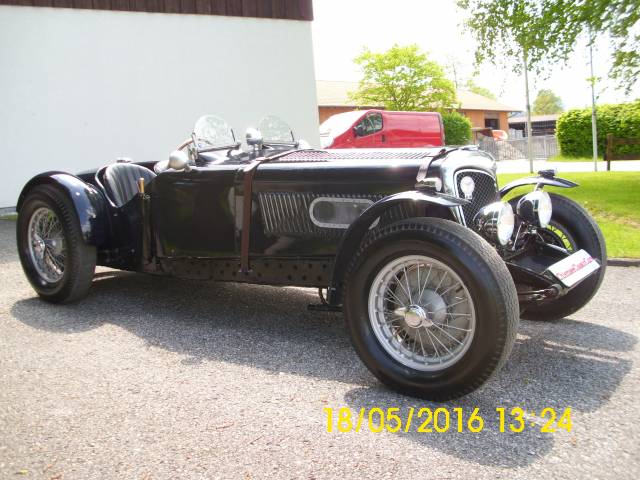
1937 | Riley 1 1/2 litre
Riley Sprite 12/4 Special

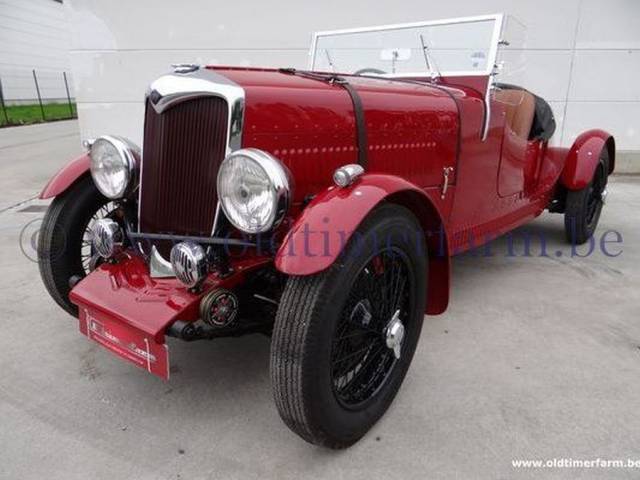
1937 | Riley 1 1/2 litre
Riley 12/4 Adelphi Sports Two Seater

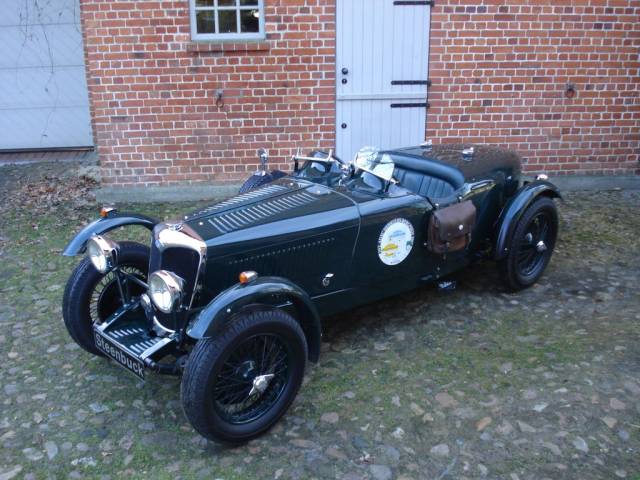
1936 | Riley 1 1/2 litre Merlin
Witziger Rennzwerg in bestem Zustand
Create search alert
Let yourself be notified as soon as a listing is published that matches your search filters.
Create listing
Do you have a Riley 1 1/2 that you want to sell? Then create a listing now.
Create listingRiley 1 1/2 Classic Cars: Prices & Market Values
The history of the Riley 1 1/2
Produced between 1936 and 1940, the Riley 1 1/2 emerged as a middle-class model designed to make Riley’s technical innovation accessible. The car relied on the proven 1.5-litre inline four-cylinder motor sourced from its predecessor, the 16/6, driving both the Falcon saloon and the Lynx tourer. Both versions reached around 107 km/h—a credible speed for the period. Wartime disruption meant production ended in 1940, and the Riley 1 1/2 was not revived post-war but replaced by the RM series. Survivors today are almost exclusively found in collections or on show at historic motoring events. Their presence on the road always turns heads, especially as most are only driven for short outings and exhibit a unique charm rooted in their pre-war British heritage.
Model history of the Riley 1 1/2
The Riley 1 1/2 sits in the evolution of Riley’s lineup between the 16/6 and the postwar RM series. Initially offered as both the Falcon (four-door saloon) and Lynx (open tourer), 1939 marked a shift to a single, unified model with a simplified single-carburettor setup. Throughout their run, these cars maintained the foundational chassis and shared their mechanicals, ensuring broad parts compatibility and ease of maintenance even decades later. Specials and alterations—especially in the UK—became more common in the following decades, with cars often converted into lightweight, competition-oriented versions.
Highlights of the Riley 1 1/2
The Riley 1 1/2 stands out for its all-aluminium bodywork (on some specials), robust 1.5-litre engine, and the advanced Wilson pre-selector gearbox—rare in its class at the time. Owners often praise the ample space and comfortable ride for long journeys. Many examples carry a distinct ‘Brooklands’ racing look, and custom details in the chassis, brakes, and suspension are not uncommon. Originals or period-style specials are cherished in historical registers such as “PreWar Riley Specials” and remain active in rallies and vintage hillclimbs.
Technical data for the Riley 1 1/2
Special editions and collectible models
Several Riley 1 1/2s have been re-bodied in period or later into Sports Specials, reflecting 1930s competition trends. Notable are surviving ‘Sprite Specials’, built from original Kestrel cars and often featuring lightweight aluminium bodies. Many of these cars were registered for historic racing and rallies, with unique chassis configurations and period-correct features like friction dampers and ‘Brooklands’ inspired details. Such conversions, particularly those with continuous history, are referenced in specialist literature and registers.
Weak spots and common issues
A properly maintained Riley 1 1/2 is structurally robust—rust is uncommon in well-kept examples, thanks in part to aluminium bodywork on many specials. Key regular tasks include thorough lubrication and periodic servicing of engine, gearbox, brakes, and suspension. Documentation and spare parts are often available, with second engines, crankshafts, or camshafts included in sales. Special attention should be paid to any modifications or reconstructions—especially those from the 1980s—where non-original features or unique suspension and braking systems may require specialist knowledge or sourcing of unusual parts.
Engine and performance, transmission and handling
The 1.5-litre Riley engine is known for its ready response at all temperatures and willingness to rev—sustaining 4,500 rpm in regular use and peaking at 5,500 rpm. The pre-selector gearbox enables precise, smooth gear changes and enhances driving engagement. Specials frequently use period Dunlop Racing tyres and may have bespoke suspension or braking configurations, contributing to lively and confidence-inspiring handling at club events and vintage gatherings. - Riley 1 1/2 Sprite Special: alloy-bodied, racing-inspired, often laden with period details.
- Riley Kestrel-derived specials: built for historic events and practicality alike. Both models offer substantial comfort and driver accommodation, even for taller drivers, with a reputation for mechanical durability when regularly serviced.
Interior, comfort, exterior and design details
The Riley 1 1/2 fuses pre-war elegance with practical engineering. Interiors feature carefully selected upholstery materials and generous cabin space, ideal for extended journeys. Accessories frequently include soft tops, windshields, luggage racks, carpets, and leather seats. Many cars sport hand-crafted dashboard layouts, chrome accents, and distinct exterior motifs influenced by the ‘Brooklands’ look. Special-order or custom-built examples differ in body shape, with some adopting lightweight aluminium coachwork and period spotlights, badges and racing numbers. The attention to driver ergonomics—ample footwell length and high-quality trimmings—sets these cars apart in their class.
Other relevant features
Riley 1 1/2s are often found listed with full documentation and detailed ownership history. Club affiliation and registry entries can enhance provenance. Spares, tools, and period accessories—spare cranks, camshafts or even specialised tooling—are frequently included in sales, reflecting the engaged and supportive Riley community. Many surviving cars appear regularly in publications and books dedicated to the marque.
Summary of the Riley 1 1/2
The Riley 1 1/2 is a showcase of innovative pre-war British engineering, combining longevity, driving joy and quirky period detail. Surviving cars are typically well-documented, meticulously maintained, and supported by a vibrant specialist network—making them exceptional for enthusiasts keen to experience authentic 1930s motoring, whether on the road, at vintage rally events, or as a cherished component of a classic collection.