Raleigh Safety Seven Classic Car Purchase
The Raleigh Safety Seven stands out among classic British vehicles, featuring its own V-twin engine, unique transmission, and an independently constructed bodywork. Key details such as a rare aluminium hardtop and extensive original documentation from the 1930s set this model apart. Discover in-depth information, including technical specifications and special equipment, on this historically significant and collectible microcar.
Suchergebnisse
Zur Zeit sind keine passenden Inserate zu Ihrer Suche veröffentlicht.
Create search alert
Let yourself be notified as soon as a listing is published that matches your search filters.
Create listing
Do you have a Raleigh Safety Seven that you want to sell? Then create a listing now.
Create listingRaleigh Safety Seven listing references from Classic Trader
Below you will find listings related to your search that are no longer available on Classic Trader. Use this information to gain insight into availability, value trends, and current pricing for a "Raleigh Safety Seven" to make a more informed purchasing decision.
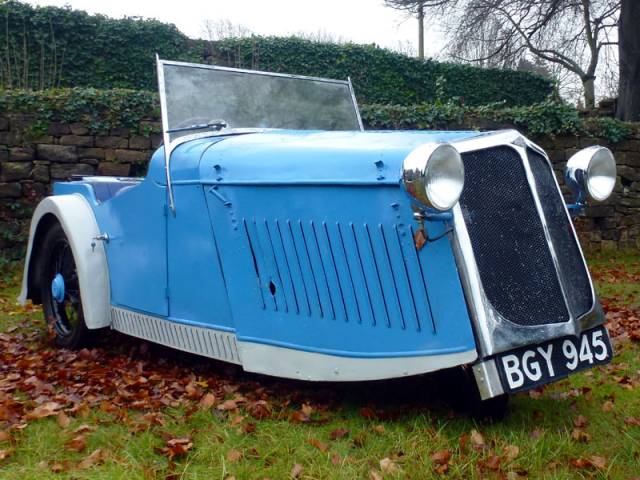
1934 | Raleigh Safety Seven
Auction Donington Park: 23.02.2017 Estimate: £7000 - 9000
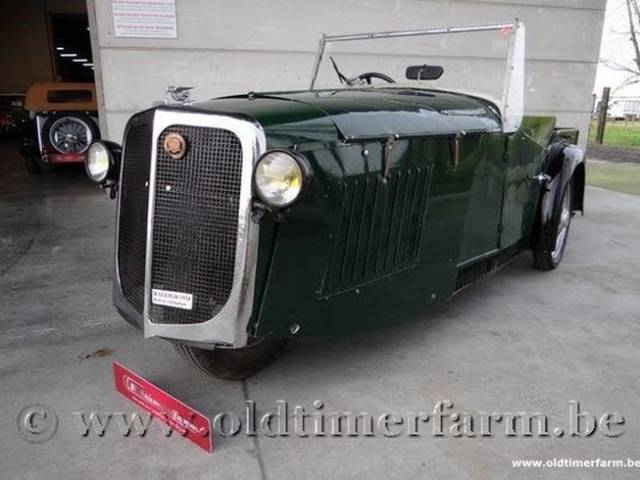
1934 | Raleigh Safety Seven
Raleigh Safety Seven Cycle Car 3 '34
Create search alert
Let yourself be notified as soon as a listing is published that matches your search filters.
Create listing
Do you have a Raleigh Safety Seven that you want to sell? Then create a listing now.
Create listingRaleigh Safety Seven Classic Cars: Prices & Market Values
History
In the early 1930s, Raleigh—best known for bicycles and motorcycles—launched the Safety Seven as a response to the hunger for affordable personal transport after the First World War. The Safety Seven broke conventional design by integrating a V-twin engine developed specifically for this model, as well as a proprietary gearbox, diverging from the common practice of sourcing engines from external suppliers. This vehicle bridged the gap between motorcycles and full-size cars, both in concept and in construction approach, ushering in an era where lightweight, compact cars became more accessible to the British public.
Model History
The Safety Seven did not inherit a predecessor within the Raleigh range; it was a unique project aimed at expanding the company's reach beyond motorcycles. No direct successor followed, making the model a singular presence in the manufacturer's history. Production remained limited, and only a handful of variations were released, including both hardtop and softtop versions using the same dedicated chassis. This exclusive lineage is reflected in the low numbers available today and the retention of much original documentation and tooling from its era.
Highlights
Distinct from other period microcars, the Raleigh Safety Seven features a purpose-built V-twin engine and a model-specific gearbox. Owners could choose between an ultra-rare hardtop crafted from aluminium or an adaptable softtop variant, using existing rails for configuration changes. Surviving vehicles may come with original brochures, owner’s manuals, and 1930s service documents. Restoration is facilitated by an independent body frame and the latter-day supply of spare parts, such as cylinder heads and specialist tools—testament to the model's engineered integrity.
Technical Data
Special Editions and Collectible Models
The Safety Seven’s most collectible configurations include the aluminium hardtop variant—rarely seen on the classic car market—and softtop versions that can be constructed using original rails. Vehicles featuring original period documentation or matching-number engines and gearboxes are particularly noteworthy among enthusiasts.
Weak Spots and Common Issues
There are no specifically documented chronic weaknesses in the available records. However, given the model's age and unique mechanical design, buyers should expect challenges sourcing some components, particularly drivetrain parts unique to the Safety Seven. The availability of original workshop tools and spare cylinder heads can mitigate some restoration difficulties for experienced classic car mechanics.
Engine and Performance, Transmission and Handling
The dedicated V-twin engine offers a driving experience different from mass-market microcars of the era. With its custom-built transmission, the Safety Seven delivers direct power ideal for lightweight construction but will feel minimalistic by modern standards. The independent chassis design translates to nimble handling at modest speeds and supports easy adaptation for either enclosed or semi-open bodywork. The aluminium hardtop and softtop variants using factory-supplied rails are notable for their historic configuration flexibility.
Interior, Comfort, Exterior and Design
The Safety Seven's design is defined by the use of aircraft-grade aluminium for its rare hardtop, paired with a practical convertible option. Interior features remain minimal, typical for the period, but emphasis is placed on mechanical originality and personalisation through available equipment. Original colours and period accessories contribute to authenticity, with owner-specific modifications often traceable through vehicle documentation and period brochures.
Other Relevant Features
Collectors will value the presence of original 1930s sales brochures, owner’s handbooks, and manufacturer documents—these enhance the vehicle’s provenance and appeal among specialist circles. Restoration parts, including unique tools, support both practical projects and preservation efforts, ensuring that the small remaining population of Safety Sevens can continue to be maintained authentically.
Summary
The Raleigh Safety Seven remains an uncommon British microcar with distinguished engineering, defined by its model-specific engine, gearbox, and bodywork. Scarce production numbers, combined with a selection of collectible variants and the chance to acquire period documentation and tooling, make the Safety Seven an object of interest for connoisseurs of pre-WWII British automobility.