- Car
- Railton (2 offers)
Buy Railton Classic Cars
Railton combined Surrey coachbuilding with the effortless torque of Hudson and Terraplane engines from 1933. Buy a Railton classic car with the right chassis identity, honest bodywork and club-supported mechanical provenance, and it offers one of the most distinctive pre-war British motoring experiences.
Search results
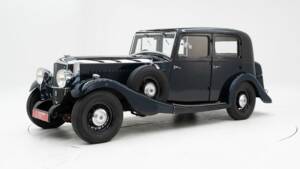
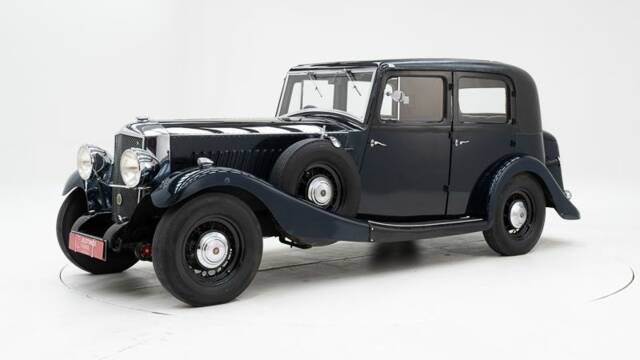
1935 | Railton Straight Eight
1935 Railton Fairmile Series I '35

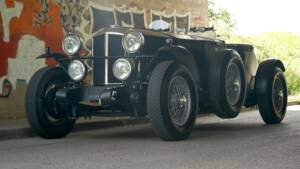
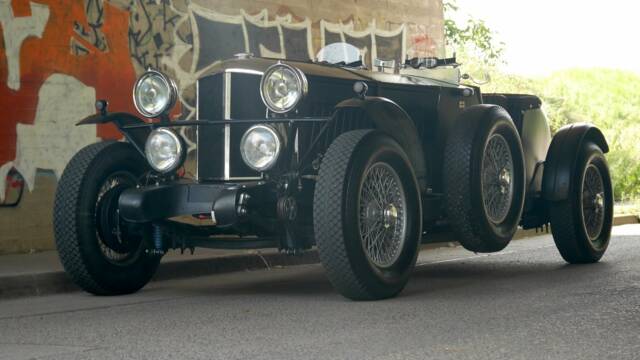
1935 | Railton Straight Eight Light Sports Brooklands
Railton Light Sports straight eight

Railton listing references from Classic Trader
Below you will find listings related to your search that are no longer available on Classic Trader. Use this information to gain insight into availability, value trends, and current pricing for a "Railton" to make a more informed purchasing decision.
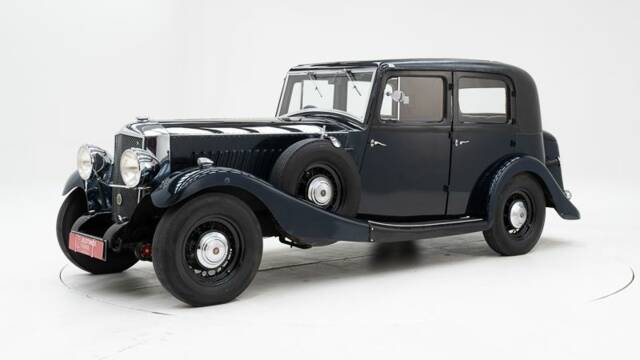
1935 | Railton Straight Eight Stratton
1935 Railton Fairmile Series I '35
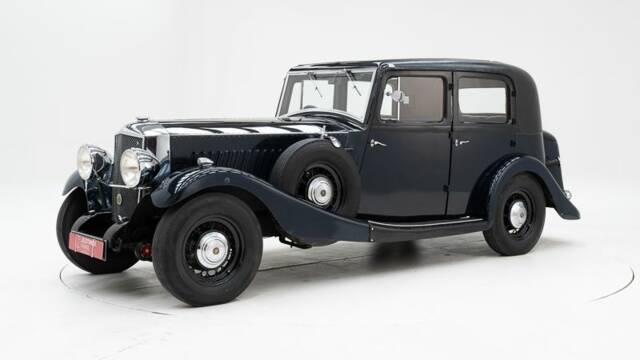
1935 | Railton Straight Eight
1935 Railton Fairmile Series I '35
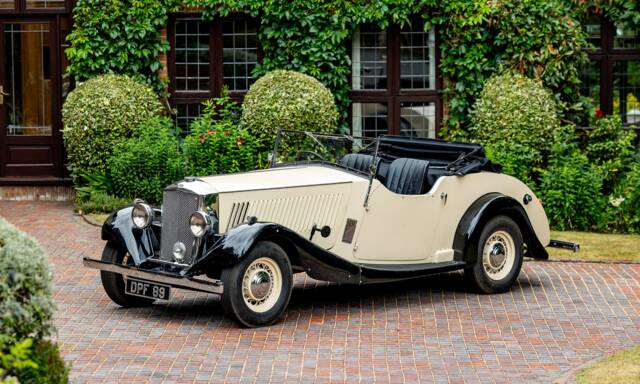
1935 | Railton Straight Eight Open Tourer
1935 Railton Eight Tourer by Abbot

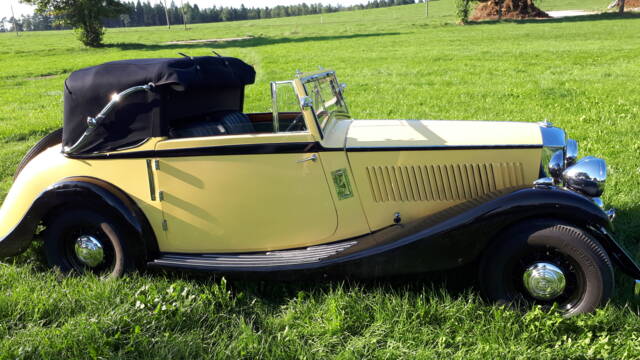
1935 | Railton Straight Eight Light Sports Brooklands
3 Position Drophead Coupe ,Body von Coachcraft
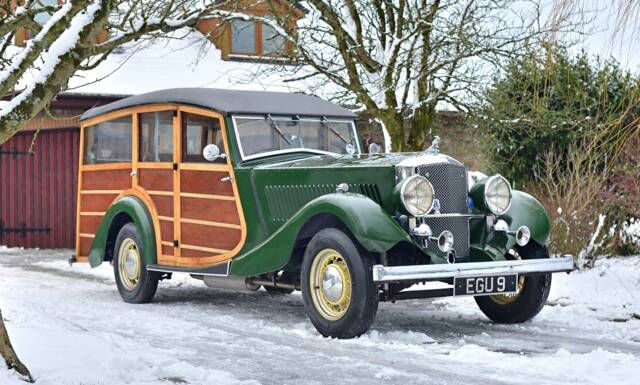
1935 | Railton Eight ‘Woody’ Estate
1935 Railton Eight 'Woody' Estate Car
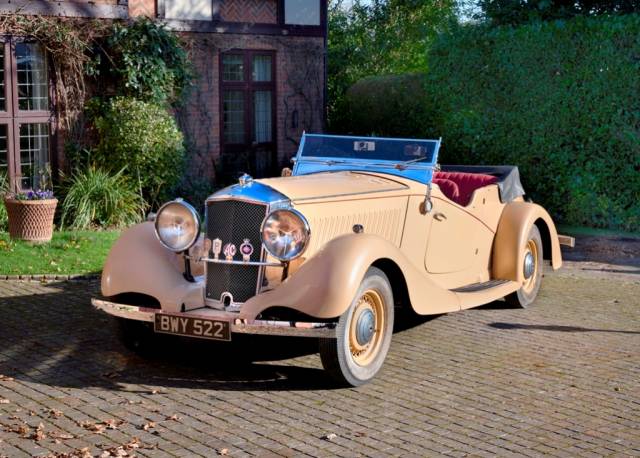
1937 | Railton Straight Eight Light Sports Brooklands
Railton 2+2 Tourer by Carbodies
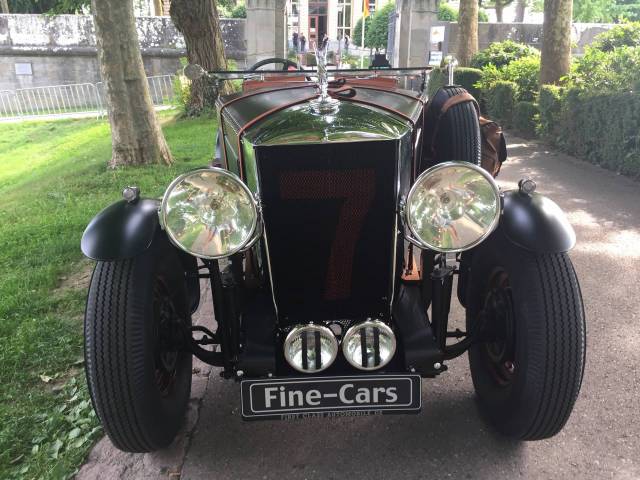
1934 | Railton Straight Eight Open Tourer
RAILTON STRAIGHT EIGHT OPEN TOURER (1934)
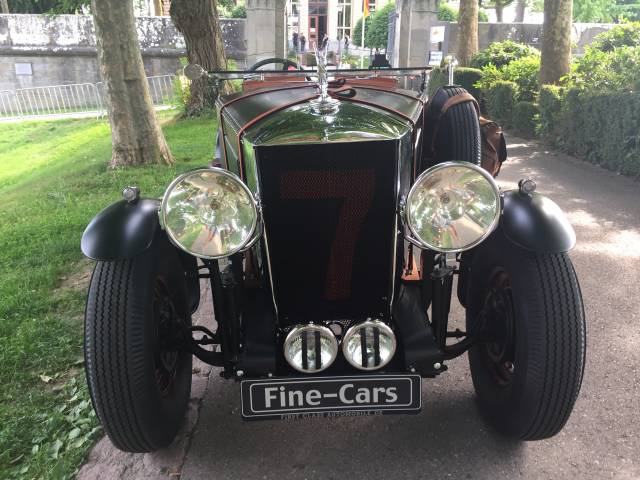
1934 | Railton Straight Eight Open Tourer
RAILTON STRAIGHT EIGHT OPEN TOURER (1934)
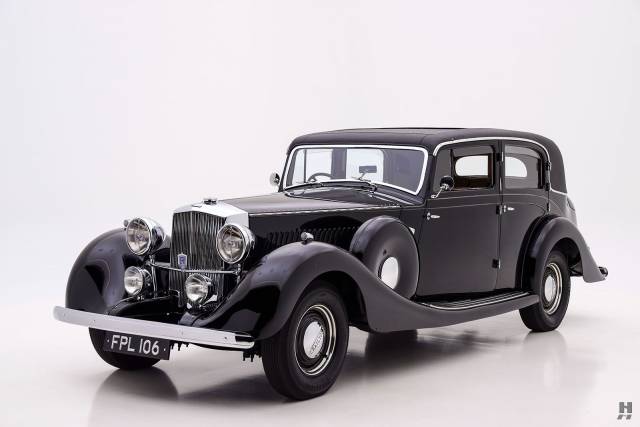
1937 | Railton Straight Eight Stratton
Railton Stratton
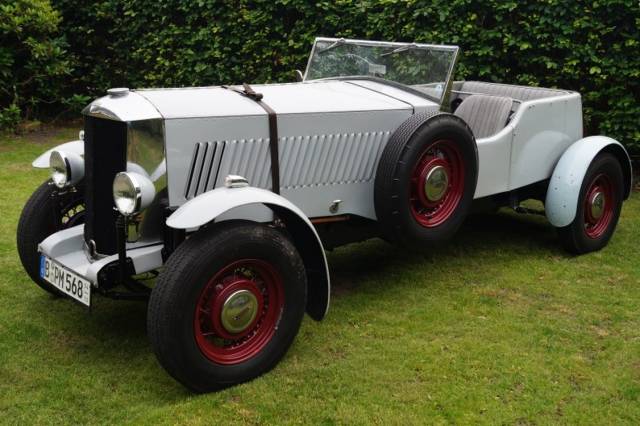
1934 | Railton Straight Eight Open Tourer
Railton Straigt Eight
History & Heritage
Railton was born from a very British answer to an international problem: how to give a handsome English sporting car the acceleration and flexibility of a large American engine. Noel Macklin had already established Invicta as a fast, expensive and technically serious marque, but the economic conditions of the early 1930s made a more pragmatic formula attractive. In 1933, from Cobham in Surrey, his Fairmile Engineering concern began to turn Hudson and Terraplane running gear into low-volume cars with British identity, lighter coachwork and much sharper performance than their donor vehicles suggested.
The name was borrowed, under licence, from the celebrated engineer Reid Railton. It was a persuasive name in an era obsessed with speed records, but buyers should understand the distinction. Reid Railton did not design the ordinary production Railtons in the way that a marque engineer might have done; Macklin selected the mechanical base and commissioned the bodies. The production cars and the sensational Napier-Railton therefore share a name and a period, rather than a common product line. That distinction matters when assessing a description, a provenance file or an asking price.
The first Eight used the 4,010 cc Hudson/Terraplane side-valve straight eight. It was not a delicate racing engine. Its appeal was huge low-speed torque, a simple three-speed transmission and an ability to move a properly light-bodied car with startling ease. Open tourers and sporting saloons quickly established the formula. Contemporary buyers could specify a range of bodies rather than choosing from a single fixed factory shell, which explains why two genuine Railtons of the same year may look and feel remarkably different today.
In 1935 the larger 4,168 cc Hudson Eight chassis arrived. Output rose initially to 113 bhp and later to roughly 124 bhp in improved form. The big engine, a long bonnet and a relatively compact British body made the Eight a rapid cross-country motor car at a time when many home-market sports cars relied on smaller, harder-worked engines. It also created the rarest and most dramatic expression of the idea: two factory-built Light Sports Tourers. A period Motor Sport test recorded 0–60 mph in 8.8 seconds and more than 100 mph for its test car. Those figures belong to that exceptionally light, short-chassis model, not to every Railton wearing an Eight badge.
Railton broadened the range late in the decade. The 16.9, introduced for 1937, employed a 2,723 cc Hudson six and placed the marque in a lower taxation class. In 1938 the 10 HP appeared on Standard Flying Nine/Flying Ten mechanicals, sold in compact Little Cobham and Little Fairmile forms. The Railton Owners Club records 1,379 Eights, 81 16.9s and 51 10 HP cars. These modest figures are useful context, but they do not make every surviving car equally significant: exact chassis, original coachwork, continuous history and restoration quality are decisive.
War ended regular Railton production. Fairmile Engineering moved into wartime boatbuilding, Hudson had acquired the company, and a sustained post-war return never followed. A small number of chassis were completed around the war years, adding another reason to inspect dates and documentation closely rather than relying on a broad model-year label. Today Railton occupies a particularly appealing corner of the British pre-war world: less ubiquitous than an SS, Alvis or Lagonda, but supported by a knowledgeable domestic club and built around mechanical components that were robust from the outset.
Railton Highlights
The defining Railton characteristic is Anglo-American engineering with British coachwork. Hudson and Terraplane supplied the engines, chassis and much of the running gear; Fairmile and outside coachbuilders supplied the visual drama and the weight saving. The result is not a copy of an American saloon. A good Eight has a very different driving position, silhouette and sense of occasion, yet retains the broad-shouldered, low-revving character of its Hudson engine.
That mechanical starting point is also one of the make's practical strengths. The Railton Owners Club maintains a vehicle register, workshop material and a parts scheme with more than 300 lines for commonly needed six- and eight-cylinder mechanical items. Knowledge extends across related Hudson, Terraplane, Essex and Brough Superior components. This is valuable reassurance for a prospective owner of a rare marque, though it should not be misread as a promise that every part is on a shelf. A correct radiator grille, dashboard instrument, windscreen fitting, wing, hood frame or hand-made body panel can be difficult and expensive to reproduce.
Coachwork is consequently central to a Railton's identity. Coachcraft, Ranalah, R.E.A.L. and Carbodies are among the names encountered, alongside individual bodies and later alterations. Fairmile dropheads, Cobham and Stratton saloons, coupés and tourers have their own proportions and construction details. An Eight advertised simply as a “Railton tourer” needs more investigation than one accompanied by a clear body-builder attribution, old photographs and a traceable chassis record. It is possible for a well-executed rebuilt body to make an enjoyable car; it is not equivalent to documented original coachwork when rarity or price is being claimed.
The famous Napier-Railton deserves mention because it generates frequent confusion. John Cobb commissioned it in 1933 from Thomson & Taylor at Brooklands to a Reid Railton design. Its 24-litre Napier Lion engine and Cobb's 143.44 mph Brooklands outer-circuit lap in 1935 made it an enduring record car. It was not a production Railton Cars model, did not share the Hudson-based road-car formula and should never be used to imply racing provenance for an Eight, 16.9 or 10 HP.
For a buyer, the range offers distinct personalities. The Eight is the signature car and comes closest to the grand sporting ideal. A Fairmile drophead combines relaxed touring with the ritual of pre-war open motoring; a Cobham or Stratton saloon is a more enclosed, surprisingly swift long-distance proposition. The 16.9 is less overwhelming but retains the period character, while the 10 HP is a genuinely scarce small Railton with Standard-based running gear. None should dominate a make-level purchase decision: a sound, well-documented example is usually a better prospect than a more fashionable body with vague history.
Technical Data
Figures in the table describe period specification, not necessarily the car in an individual advert. Engine swaps, altered axle ratios, replacement carburettors and later gearbox changes are all possible across nine decades. A sympathetic modification can improve usability, but it should be stated plainly and supported by invoices. It is especially important not to assume that every car with a straight eight has its original Hudson unit, or that every small-bodied Railton is an authentic 10 HP.
The Eight's side-valve engine rewards correct cooling, ignition and fuel-system set-up rather than heroic revs. It is a substantial unit with a leisurely mechanical rhythm, while the three-speed gearbox asks for an owner comfortable with pre-war shift technique. Suspension, steering and brakes are of their period too. A test drive should be judged by consistency, temperature control and confidence rather than against a post-war sports car.
Market Overview & Buying Tips
The British market is Railton's natural home. The greatest concentration of marque knowledge, surviving history files, specialist repairers and owners is here, so a UK buyer is well placed to research a car before money changes hands. It remains a thin market, however. Auction appearances and advertised cars cannot be turned into a simple price guide, because a formal saloon, a known coachbuilt coupé, a restored open Eight and a Light Sports Tourer are fundamentally different propositions.
A useful current anchor is a 1935 Railton Eight Victoria Coupé by Ranalah, sold through Hagerty Marketplace for US$27,820 on 25 February 2026. It is a recorded sale, not an estimate, but it is not a universal Railton value and should not be converted into a blanket sterling price. Body style, condition, location, presentation, bidding audience and paperwork all affect the result. At the other end of the spectrum, a 1938 Light Sports was bid to €145,000 in September 2024 according to Classic.com, but was not recorded as sold. The contrast underlines why an unsold high bid is not a valuation and why rare performance derivatives must be treated separately from ordinary Eights. A 1935 Special Saloon brought £23,000 including premium at Bonhams in 2022, useful older UK context but not a substitute for a recent inspection of the particular car.
Start with identity and club research. Ask the seller for chassis and engine numbers, body number where present, registration details and all old log books or V5Cs. The Railton Owners Club register can often provide useful context on known cars, prior identities and appropriate specification. A club enquiry is most valuable before an emotional viewing, not after a deposit is paid. Period photographs, factory or dealer correspondence, restoration images and invoices may establish both what the car was and what work has actually been done.
The body must be inspected by a restorer familiar with mixed-material pre-war construction. Depending on its coachbuilder, a Railton can combine ash framing, aluminium skin, steel sections and handmade fittings. Examine lower door frames, A-posts, sills, scuttle, floor structure, running-board supports, wing returns and the joints between dissimilar metals. Bubbling paint, uneven gaps, loose door hinges or a hood that will not sit correctly can be evidence of structural work waiting beneath a glossy finish. Fresh timber is not automatically a fault: recorded, properly executed wood replacement can be preferable to original timber that has quietly decayed.
Mechanical checks should be specific. A cold Eight should start cleanly without persistent heavy knocking or excessive smoke. On a proper road test, watch oil pressure and coolant temperature, and let the car heat-soak before checking its restart. The Owners Club's 2024 bulletin drew attention to age-hardened tyres, restricted cooling passages and carburettor heat/vapourisation as practical issues. A clean radiator cap and bright paint do not prove that an old block's water passages are clear. Ask what has been done to the cooling system, how water distribution has been checked and whether a hot-start issue has been diagnosed rather than hidden with improvised insulation.
Check the clutch, propshaft play, rear axle noise, steering box, kingpins, springs, dampers, wheel bearings, brake drums and pipe routing. The original three-speed arrangement needs deliberate operation; difficult changes may be driver technique, worn linkages or a more serious fault, so have a specialist distinguish them. Tyres deserve more than a visual glance: aged tyres can look presentable but have hardened or failed internally. Confirm date codes where available, correct sizes, wheel condition and whether the spare is safe enough for use.
For a Great Britain-based buyer, DVLA status is part of due diligence. Most Railtons are old enough for historic vehicle tax class and may qualify for MOT exemption as vehicles of historical interest, provided they have not undergone substantial changes. This is not a relaxation of roadworthiness: an exempt car must still be safe, insured and taxed, even if the tax rate is nil. Modified chassis, bodies, axles or engines can affect the declaration. Confirm the V5C details, any declared changes and the right evidence before purchase; for an imported or previously unregistered car, dating and registration evidence should be investigated with the relevant club and DVLA process well before delivery.
Budget for ownership rather than only acquisition. Mechanical club support makes an Eight less intimidating than its rarity implies, but bodywork, trim and one-off fittings can consume far more money than routine engine work. A modestly priced project with missing brightwork, poor timber and no records can quickly exceed the cost of a complete, transparent car. In a market with few transactions, the best defence is a marque specialist's pre-purchase inspection and a file substantial enough to explain the car to the next owner.
Driving Feel
An Eight does not deliver its performance with the busy, high-rev manner of a small-capacity British sports car. Once warm, the straight eight feels broad, unhurried and surprisingly forceful. There is a long bonnet ahead, a low, resonant exhaust note and the sensation that the car gathers speed rather than attacks it. The torque lets the driver hold a high gear through bends and villages with less shifting than its appearance suggests.
In a Fairmile drophead, that character is ideal for a dry run through the Home Counties or a long club tour: the windscreen, exposed wings and the rhythm of the engine make modest speeds feel properly ceremonial. A closed Cobham or Stratton offers more weather protection and a different kind of appeal, closer to a swift pre-war express. Both reward anticipation. Drum brakes, cross-ply tyres, live axles and leaf springs require space, sympathy and a mechanically minded driver.
The Light Sports Tourer is the exception that proves the rule. Its shorter chassis, rearward engine position and light alloy body give it a more urgent response; the period performance figures show what the Railton concept could achieve in its most focused form. Yet even this is not a modern sports car. Correct steering, brake balance, cooling and tyres matter much more than a headline top speed. A road test should include imperfect surfaces, a sustained climb and several restarts, not merely a short auction-ground circuit.
Design & Coachwork
Railton proportions carry much of the marque's charisma: a long engine compartment, passenger cabin set well back, separate wings and a slender upright radiator create a purposeful stance. The radiator treatment is commonly associated with motoring artist F. Gordon Crosby, helping the cars look like a distinct British make rather than rebodied Hudsons. Inside, British instrumentation and controls completed the transformation.
There is no single “correct Railton look” in the way there is for a mass-produced saloon. Coachcraft bodies gave the range an identifiable family manner, while Ranalah, Carbodies and others supplied alternatives. A Fairmile drophead is elegant in a different way from a Victoria coupé, and a late Little Cobham has a wholly different scale from an Eight. This diversity is a reason to buy the actual car, not just the badge. Study hood bows, door structure, bonnet louvres, windscreen hardware, dashboard layout and wing profile against period images and club knowledge.
Authenticity should be evaluated with judgement. Many pre-war cars have had wings, timber, upholstery or complete bodies renewed during long lives, sometimes more than once. The question is whether the work respects documented configuration, is honestly described and has been executed to a standard that will endure. A car pretending to be a rare factory sports body without credible evidence needs especially careful scrutiny.
Summary
To buy a Railton classic car is to choose a rare British pre-war marque with unusually strong torque, varied coachwork and an active ownership culture. The Eight, Fairmile, Cobham, 16.9 and 10 HP each offer a different entry to that story, while the exceptional Light Sports Tourer sits in a category of its own.
Choose documentation over mythology, structural integrity over shiny paint and cooling-system health over a brief, impressive start-up. With a verified identity, sympathetic restoration and support from the Railton Owners Club, a Railton can be an immensely satisfying Great British touring car rather than merely an attractive rarity.