- Automobile
- Puma
- Puma GTB (0 offerte)
Puma GTB classic cars for sale
The Puma GTB is a Brazilian-built, fibre-glass coupé that stands out for its distinctive use of Chevrolet Opala technology, potent inline-six engines and well-appointed interiors. Produced between 1973 and 1984, it was Brazil’s most expensive production car of its era, marrying luxury and performance in a uniquely South American fashion.
Risultati della ricerca
Attualmente non ci sono annunci corrispondenti alla tua ricerca.
Create search alert
Let yourself be notified as soon as a listing is published that matches your search filters.
Create listing
Do you have a Puma GTB that you want to sell? Then create a listing now.
Create listingPuma GTB listing references from Classic Trader
Below you will find listings related to your search that are no longer available on Classic Trader. Use this information to gain insight into availability, value trends, and current pricing for a "Puma GTB" to make a more informed purchasing decision.
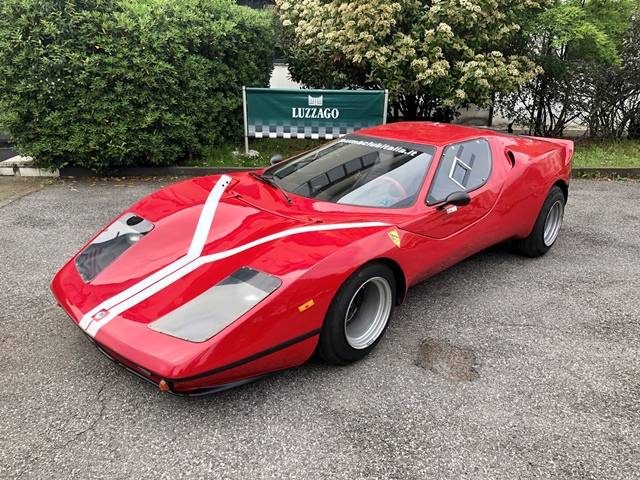
1982 | Puma GTB
GT V
Create search alert
Let yourself be notified as soon as a listing is published that matches your search filters.
Create listing
Do you have a Puma GTB that you want to sell? Then create a listing now.
Create listingPuma GTB Classic Cars: Prices & Market Values
Introduction and history of Puma GTB
The Puma GTB traces its roots to Brazil in the early 1970s, with a first prototype—dubbed the Puma GTO—unveiled in 1971. Shortly after, it was rebadged as the GTB and entered production in 1973. Drawing heavily on components from the Chevrolet Opala, the GTB distinguished itself as a high-performance touring car for the Brazilian market. During its production run, the Puma GTB asserted itself as a symbol of engineering aspiration and exclusivity by holding the title of Brazil's most expensive car between 1973 and 1984. Its blend of local ingenuity and American power set it apart in the South American landscape.
Model history
The Puma GTB evolved from earlier concepts such as the Puma GTO prototype. Production commenced in 1973, utilising a front-engine, rear-wheel-drive layout with a robust 4100 cc inline-six cylinder, mirroring the U.S. Chevrolet six produced locally by GM do Brasil. The car's fibreglass body allowed for regular, cost-effective styling updates, including those offered by aftermarket companies. Puma produced the GTB until 1984. No direct predecessor or successor models within the Puma line mimicked the GTB's luxury-performance positioning, making it especially distinctive in the range.
Highlights of Puma GTB
Distinct from most sports coupés of its time, the Puma GTB features a lightweight fibreglass body atop a solid Chevrolet Opala platform. Its robust 4.1-litre six-cylinder engine was commonly uprated, and the car was generously equipped with creature comforts—such as leather seats, power windows and air conditioning—that were rare in 1970s and '80s Brazilian cars. The GTB was also notable for the ease of customisation, with various Brazilian tuners and parts producers like Pumakit and Superclar offering everything from body kits to bespoke interior upgrades.
Technical data
Special Editions and Collectible Models
While regular production GTBs were already exclusive, numerous aftermarket firms such as Pumakit and Superclar produced unique custom body parts and trim, enabling substantial personalisation. Some GTBs were further modified for enhanced engine output, sought after by enthusiasts seeking higher performance. However, no officially documented factory special editions are confirmed in the available sources.
Weak Spots and Common Issues
No detailed source data is available about typical weaknesses or specific maintenance issues for the Puma GTB. However, as with many fibreglass-bodied classics, attention should be paid to signs of past repairs and the quality of custom modifications. Potential buyers should check engine tuning work, as many cars were uprated by previous owners.
Engine and Performance, Transmission and Handling
The GTB’s hallmark is its 4100 cc inline-six engine derived from the Chevrolet Opala, frequently tuned beyond stock output for increased performance. The power is directed to the rear wheels, giving the car robust acceleration by period Brazilian standards. Handling is improved by the lightweight fibreglass body, while the underlying Opala chassis ensures parts availability and straightforward mechanical maintenance. The S2 model dominates both the supply and demand statistics for the Puma GTB, showing focused interest in this definitive series, primarily supplied with the iconic straight-six engine and fully equipped interiors.
Interior, Comfort, Exterior and design
The Puma GTB’s design leverages a fibreglass body with distinctive, aggressive styling, easily adapted with aftermarket body kits supplied by firms like Pumakit. The luxurious interior, often trimmed in leather and featuring power windows, air conditioning, and other modern amenities, set it apart from mainstream Brazilian sports cars of the time. The GTB’s build philosophy encouraged personalisation, with a variety of bespoke options and accessories available via aftermarket suppliers, far exceeding the Brazilian norm of the period.
Other relevant features
The GTB’s reputation for exclusivity also brought with it a strong community of Brazilian tuners and body kit manufacturers, who extended the car's appeal through enhanced performance options and custom bodywork. This ecosystem of customisation further expands the possible specifications and appearance for individual vehicles.
Summary
The Puma GTB is a rare blend of Brazilian ingenuity and American technology, best known for its fibreglass body, powerful inline-six engines, and luxury-oriented interiors. As the most supplied and demanded Puma on the market, it offers a unique entry point into South American automotive heritage, particularly for enthusiasts seeking customisable sports coupés with a distinct local flavour.