Osella PA7 classic cars for sale
The Osella PA7 stands as a purebred racing prototype, directly reflecting Osella's focus on competitive motorsport engineering in the late 1970s. With its presence marked entirely by its motorsport pedigree, every PA7 available today is closely tied to authentic racing history. Explore available Osella PA7 vehicles, each a genuine survivor from a golden era of sports car racing.
Search results
Currently, there are no matching listings for your search.
Create search alert
Let yourself be notified as soon as a listing is published that matches your search filters.
Create listing
Do you have a Osella PA7 that you want to sell? Then create a listing now.
Create listingOsella PA7 listing references from Classic Trader
Below you will find listings related to your search that are no longer available on Classic Trader. Use this information to gain insight into availability, value trends, and current pricing for a "Osella PA7" to make a more informed purchasing decision.
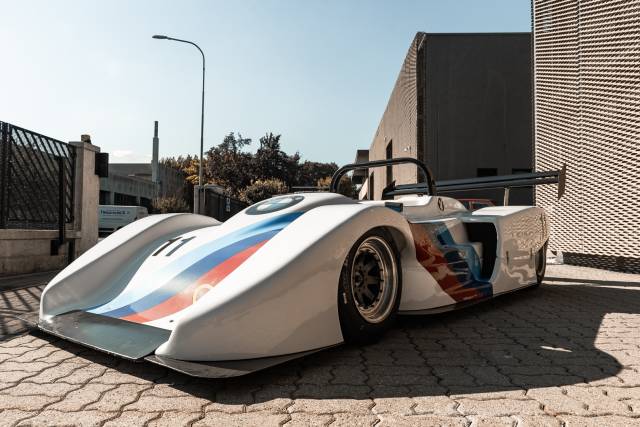
1979 | Osella PA7

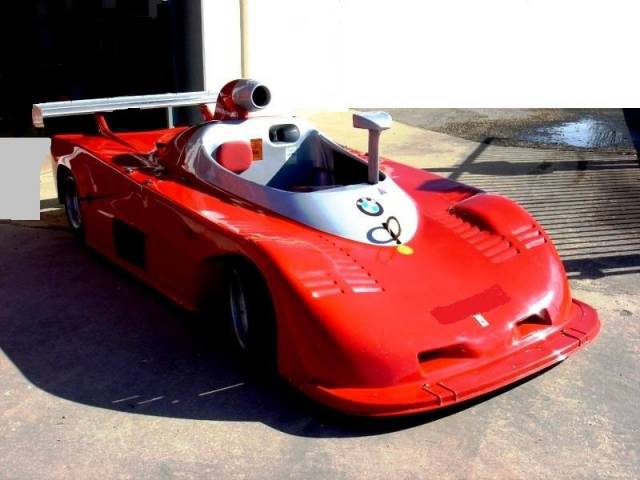
1979 | Osella PA7
Osella PA7

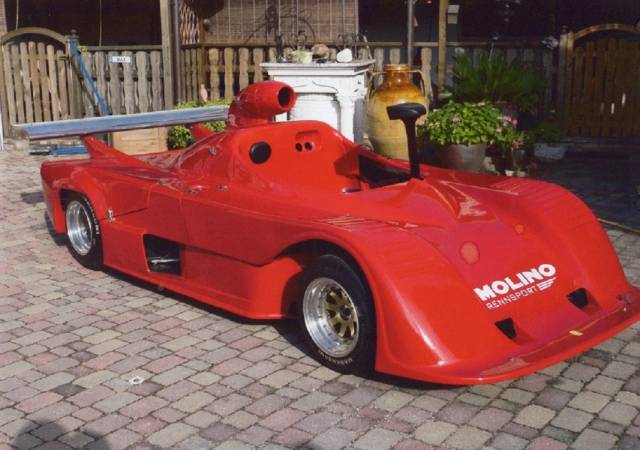
1979 | Osella PA7
PA 7

Create search alert
Let yourself be notified as soon as a listing is published that matches your search filters.
Create listing
Do you have a Osella PA7 that you want to sell? Then create a listing now.
Create listingOsella PA7 Classic Cars: Prices & Market Values
History of the Osella PA7
Osella built the PA7 to compete in the highly competitive Group 6 prototype class, a category that dominated sports car racing in the late 1970s. The car was introduced in the 1978 season as an evolution of Osella's earlier prototypes, aiming for enhanced chassis rigidity and improved aerodynamics. The PA7 was typically entered in endurance racing events and hill climbs, which demanded both reliability and sheer performance. Its development reflected the brand's ongoing pursuit of race wins in national and international events, marking Osella's commitment to prototype racing during this dynamic era.
Model History
The Osella PA7 followed the progression of the PA series, representing a further refinement over the preceding PA5 and PA6 models. Each iteration saw improvements, responding to both regulatory and competitive developments within the prototype racing scene. The PA7 remained in action until it was succeeded by the PA8, which continued Osella's legacy in the prototype class. The PA7 stands out as one of the specialist models—produced in a small build run, with chassis often tailored to specific engines or racing disciplines as dictated by team and customer preferences.
Highlights of the Osella PA7
The Osella PA7 is characterised by its use of a lightweight tubular frame, sophisticated suspension architecture, and flexible accommodation for a range of competition engines. The chassis would often be fitted with either Fiat, BMW, or Cosworth racing engines, depending on customer demand and event requirements. Its low weight, advanced aerodynamics for its time, and track-ready configuration set the Osella PA7 apart from more conventional road-based sports cars. This focus on motorsport usage means every surviving PA7 comes with an authentic race history.
Technical Data
Special Editions and Collectible Models
There were no official factory special editions of the Osella PA7, given the custom, competition-based nature of its production. However, individual chassis often gained distinction through their competition success or unique adaptations for specific races, such as participation in particular endurance events or national championships. Collectors value cars with documented race history and original configuration matching their period use.
Weak Spots and Common Issues
As true racing cars, PA7s demand meticulous mechanical upkeep. Key attention points include the condition of the tubular frame—subject to stress cracking in prolonged competition—as well as regular servicing of engines, especially those in high state of tune such as Cosworth variants. Restoration must be to motorsport standards if track use is envisioned, including overhauls of suspension, braking, and fuel systems.
Engine and Performance, Transmission and Handling
Performance was a primary concern in the Osella PA7’s concept. With a typical weight below 700 kg and engines delivering upwards of 250 hp in top specification, the car could achieve remarkable acceleration and cornering speeds for its class. The handling was honed for competitive circuit use, featuring double wishbone suspension front and rear, adjustable setup, and large ventilated disc brakes. Transmissions were typically Hewland or ZF manual units. Most PA7s reflect similar performance levels, with variations largely due to customer engine selection (Fiat, BMW, or Cosworth Ford). Chassis with notable period accomplishments tend to be most recognised among enthusiasts.
Interior, Comfort, Exterior and Design
Every element of the Osella PA7’s design is uncompromisingly functional. The bodywork was fashioned from lightweight fibreglass panels, shaped primarily for aerodynamic advantage rather than visual drama. Cockpits were minimalist, equipped only with essential instruments, race seat, and harness. Specialist livery and unique colour schemes reflected the preferences of private teams and sponsors rather than factory-issue paint. The spartan interior and exterior design underscore the PA7’s singular racing focus—no concessions to comfort or luxury were made.
Other Relevant Features
Osella PA7s were often specifically adapted for hill climb events, sometimes with bespoke gear ratios or cooling systems for extreme ascent events. Most surviving cars come with an array of period competition modifications accumulated during their active years, further enhancing their uniqueness.
Summary
The Osella PA7 exemplifies the era when Italian builders challenged established marques in prototype racing with ingenuity and competitive spirit. Every PA7 on offer is a window into a period of motorsport defined by versatility, technical experimentation, and dedication to competition. A PA7, given its exclusive production and clear racing provenance, offers a unique proposition for historic motorsport participants and collectors seeking tangible links to late-'70s and early-'80s sports car racing.