Osella PA5 classic cars for sale
The Osella PA5 is a true Group 6 prototype, engineered for endurance and performance in the fiercely competitive world of 1970s and early 1980s sports car racing. Powered by a wide variety of high-revving engines, the PA5 stands out as an authentic Italian racing machine with unmistakable flair and technical depth.
Search results
Currently, there are no matching listings for your search.
Create search alert
Let yourself be notified as soon as a listing is published that matches your search filters.
Create listing
Do you have a Osella PA5 that you want to sell? Then create a listing now.
Create listingOsella PA5 listing references from Classic Trader
Below you will find listings related to your search that are no longer available on Classic Trader. Use this information to gain insight into availability, value trends, and current pricing for a "Osella PA5" to make a more informed purchasing decision.
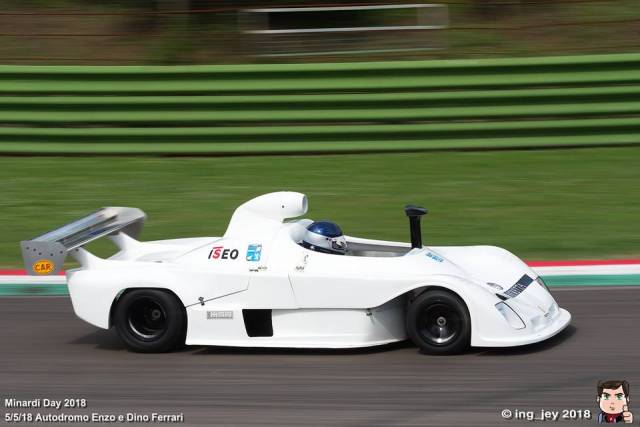
1977 | Osella PA5
OSELLA PA5 PROTOTIPO ELEGGIBILE LE MANS CLASSIC

Create search alert
Let yourself be notified as soon as a listing is published that matches your search filters.
Create listing
Do you have a Osella PA5 that you want to sell? Then create a listing now.
Create listingOsella PA5 Classic Cars: Prices & Market Values
History of the Osella PA5
Osella introduced the PA5 in 1977 as an evolution of their focus on prototype racing, specifically targeting the World Sportscar Championship. Osella, a name synonymous with Italian motorsport, engineered the PA5 to maximise competitiveness against much larger teams. Built in a limited period until 1981, the PA5 reflects Osella’s adaptability and virtuosity in prototype racing, making it an integral chapter in Group 6 history. During its tenure, the PA5 participated in both international and Italian championship events, gaining a reputation for its agility and versatility with a variety of engine installations.
Model Series History – PA5 Evolution and Context
Preceded by earlier variants in the Osella PA series, the PA5 took over from the PA3 and PA4. Its immediate successors included the PA6 and later PA7, each featuring further technical refinements. The PA5’s chassis, aerodynamic profile and compatibility with diverse engines allowed it to evolve race-by-race, extending its relevance well beyond its initial introduction. This adaptability meant the PA5 platform continued to appear at historic race meetings long after its competitive debut.
Highlights and Special Features
The Osella PA5 distinguishes itself through its use of multiple top-level racing powerplants: among the most notable were the BMW M12/7 2.0L engine, the potent Hart 420R, and various high-performance Cosworth units such as the FVA, FVC and BDG. The car was even fitted with a rare Ferrari 2.0 V8 engine in select outings. Its Group 6 homologation allowed for frequent technical experimentation and fine-tuning, resulting in a car that was always competitive and never static.
Technical Data
Special Editions and Noteworthy Versions
While the PA5 line did not have officially marketed 'special editions', every car was essentially custom-tailored for its intended race specification, frequently leaving the Osella workshop with unique engine-chassis pairings. Notably, PA5s running rare engines (such as the Ferrari 2.0 V8) today attract particular technical interest.
Engine, Transmission and Handling
The Osella PA5 featured advanced suspension and a lightweight chassis, enabling remarkable cornering speeds critical for Group 6 competition circuits. Combined with the varied selection of high-performance four and eight-cylinder engines, the PA5 offered strong acceleration and braking balance. Gearboxes modularly matched with each engine allowed for set-up optimisation for each event. The car’s dynamic handling and traction capabilities remain a draw at historic motorsport events. Particularly sought-after examples feature the BMW M12/7 or Cosworth BDG engine configurations, valued for their racing pedigree and robust parts supply, as proven in period and continued today in historic series racing.
Exterior, Interior, and Design Elements
The PA5’s fibreglass and aluminium bodywork reflected pure aerodynamic function, with wide sills and pronounced rear arches. The cockpit provided space only for essential instrumentation—no concession to comfort, only performance. Livery choices varied widely: many PA5s still sport period-correct racing decals and vibrant Italian team colours. Significant for PA5 enthusiasts is the original specification (or period-modified) wings, lightweight seats and detachable steering wheels, as well as optional quick-fill racing fuel systems.
Other Noteworthy Features
Owing to their racing origins, surviving Osella PA5s frequently retain period documentation, race provenance, and often varied specification components sourced directly from 1970s manufacturer support. This unique paper trail is of high importance for collectors and motorsport historians.
Summary
The Osella PA5 stands at the technical and cultural heart of Italian prototype racing cars from the late 1970s, bridging the gap between manufacturer ingenuity and privateer adaptability. With every chassis configured for its racing purpose—often featuring engines from the golden era of endurance motorsport—the PA5 is as much a testimony to Osella’s engineering as it is to the spirit of Group 6 competition.