Oakland 37 classic cars for sale
The Oakland 37 stands out as a rare specimen of early American automotive engineering, representing a period of innovation during the late 1910s. Combining robust construction with advanced features for its time, the 37 series offers a direct link to the pioneering era of motoring. Discover more about the history, technology, and unique attributes of the Oakland 37.
Resultados de la búsqueda
Actualmente no hay anuncios que coincidan con su búsqueda.
Create search alert
Let yourself be notified as soon as a listing is published that matches your search filters.
Create listing
Do you have a Oakland 37 that you want to sell? Then create a listing now.
Create listingOakland 37 listing references from Classic Trader
Below you will find listings related to your search that are no longer available on Classic Trader. Use this information to gain insight into availability, value trends, and current pricing for a "Oakland 37" to make a more informed purchasing decision.
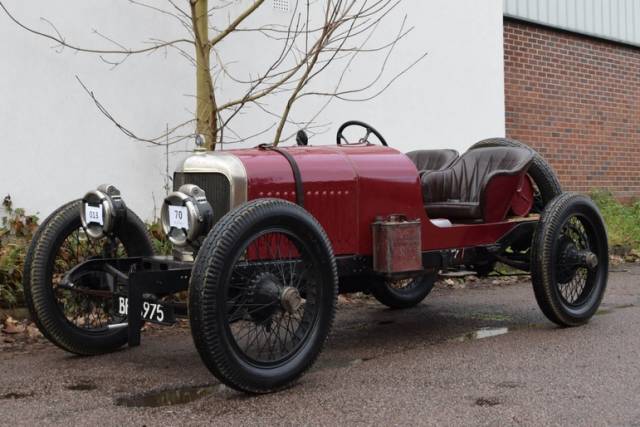
1916 | Oakland 37
Speedster
Create search alert
Let yourself be notified as soon as a listing is published that matches your search filters.
Create listing
Do you have a Oakland 37 that you want to sell? Then create a listing now.
Create listingOakland 37 Classic Cars: Prices & Market Values
History of the Oakland 37
The Oakland 37 entered production in the late 1910s under the direction of the Oakland Motor Company, a division of General Motors during its formative years. Oakland, based in Pontiac, Michigan, aimed the 37 at drivers seeking a substantial vehicle with improved reliability over earlier motorcars. The period was marked by increasing competition and rapid mechanical advances. The 37 followed the success of previous Oakland models, integrating upgrades in both bodywork and mechanical layout, and marked one of the last chapters for the marque before the transition to the more widely recognised Pontiac brand.
Model history
The Oakland 37 can be seen as a continuation of Oakland's effort to refine the powertrain and chassis architecture used in its predecessor models. Over a short production cycle, the 37 was joined by variants and different body styles, including touring and coupé options, reflecting the shift in consumer preferences from simple runabouts to vehicles with greater comfort and utility. The successor models ultimately led to the broader acceptance and eventual takeover by Pontiac, which adopted much of the engineering DNA first explored with the 37 series.
Highlights of the Oakland 37
Key features of the Oakland 37 include a robust inline engine configuration, early adoption of electric starters (a growing trend in the era), and solid axles suited to the varying road conditions of the early 20th century. The vehicle offered a notable step forward in terms of user-friendliness and reliability, helping Oakland vehicles carve out a small but distinct market segment. While only a handful of these models come to market today, their historical relevance and engineering ingenuity remain notable among enthusiasts.
Technical Data
Special Editions and Collectible Models
At present, there is no documentation of officially sanctioned limited editions of the Oakland 37 series. However, custom bodies and coachbuilt options were sometimes commissioned at the time, often making surviving specimens unique in detail and specification.
Engine, Performance, Transmission and Handling
The powerplant of the Oakland 37, consistent with its era, prioritised durability and torque over outright speed. The transmission usually featured three forward gears and manual engagement, while steering benefited from improvements in mechanical leverage. On road, the 37 series excels at moderate speeds typical of vintage rallies, with handling characterised by wide turning circles and a focus on stability rather than agility. Regular maintenance of the axles, brakes, and drivetrain is essential due to the mechanical layouts of the period.
Interior, Comfort, Exterior and Design
The Oakland 37 showcased upright body lines, tall rooflines, and extensive use of wood and metal for the interior framing and dashboard. Seating was typically offered in leather or heavy cloth upholstery, and the design allowed for easy maintenance and access to mechanical components. Common exterior colours included dark enamels, with nickel or brass-plated accessories providing subtle highlights. Accessory options at the time included luggage racks, period-correct lamps, and foldable windshields. Coachbuilt examples occasionally boast even more detailed cabinetry in the interior.
Other relevant features
Due to the advanced age of the Oakland 37, documentation such as factory build sheets, period brochures, or original service records greatly increases the historical value of surviving vehicles. Further, participation in veteran car rallies or compatibility with historic number plates can add to the enjoyment and prestige for owners.
Summary
The Oakland 37 remains a rare witness to the formative decades of the American motor industry. With solid, period-correct engineering and purposeful styling, it offers mechanical enthusiasts and historians a unique perspective on pre-Pontiac General Motors craftsmanship. Meticulous upkeep and a careful approach to restoration are required, yet for those dedicated to authentic motoring from the era, few vehicles deliver such a direct connection to automotive history.