- Automobile
- Nike
- Nike Mk IX (0 offerte)
Nike Mk IX classic cars for sale
The Nike Mk IX represents a rarely encountered chapter of motorsport coachwork, combining innovative chassis engineering with a recognisable 1960s British racing silhouette. Thanks to a clear focus on race-tuned agility and a limited production run, the Mk IX appeals to collectors seeking an authentic piece of sports car history distinguished by its period-specific detailed construction.
Risultati della ricerca
Attualmente non ci sono annunci corrispondenti alla tua ricerca.
Create search alert
Let yourself be notified as soon as a listing is published that matches your search filters.
Create listing
Do you have a Nike Mk IX that you want to sell? Then create a listing now.
Create listingNike Mk IX listing references from Classic Trader
Below you will find listings related to your search that are no longer available on Classic Trader. Use this information to gain insight into availability, value trends, and current pricing for a "Nike Mk IX" to make a more informed purchasing decision.
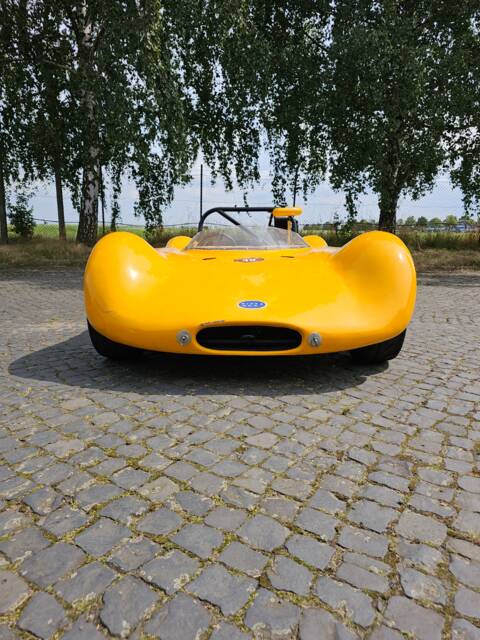
1970 | Nike Mk IX
Hist. Rennsportwagen Nike MK9
Create search alert
Let yourself be notified as soon as a listing is published that matches your search filters.
Create listing
Do you have a Nike Mk IX that you want to sell? Then create a listing now.
Create listingNike Mk IX Classic Cars: Prices & Market Values
History of the Nike Mk IX
The Nike Mk IX was created during a fertile era for British small-series sports car manufacturers, primarily targeting club-level motorsport. Nike Engineering, known for its lightweight racing chassis and tailored bodywork, positioned the Mk IX as an advancement on its earlier open-wheeled and sports-racing designs, drawing on lessons from 1960s motorsport. Its debut captured the spirit of postwar British motorsport, where engineering ingenuity thrived despite limited resources. Nike’s focus on innovative suspension geometry and compact, purpose-built frames underpinned the Mk IX’s compelling track presence.
Model History of the Nike Mk IX
The Mk IX follows prior Nike models such as the Mk VII and Mk VIII. Each previous iteration highlighted incremental improvements in handling and powertrain reliability, honed through direct feedback from amateur racers. The Mk IX embodied the end of this continuous evolution, often regarded as their most mature platform for both racing and enthusiast ownership. Successor vehicles were either largely bespoke or shifted away from the classic lines of the Mk IX, ensuring its distinctiveness remains preserved within the marque's brief history.
Highlights of the Nike Mk IX
Several features set the Mk IX apart from its contemporaries: a lightweight tubular spaceframe supporting aluminium body panels, highly adjustable suspension, and the practical race-day serviceability treasured by club racers. Locating engineering solutions over styling flourishes, Nike delivered a focused package for drivers aiming for genuine competition experience rather than showground display.
Technical Data
Special Editions and Notable Variants
Due to Nike's small-scale, semi-bespoke build process, each Mk IX may exhibit subtle differences in chassis configuration and finish. Some examples are equipped with rare factory-verified upgrades, such as magnesium wheels or racing harnesses from period suppliers—a result of customer-specific requests or competition needs. No factory-built limited editions were officially released, but period-upgraded models are especially sought after among dedicated collectors.
Weak Spots and Common Issues
Due to the absence of mass-production, future owners should scrutinise the chassis for stress-induced cracks, especially around wishbone mounts and cage junctions, after periods of active competition use. Age-related wear may also affect the brake hydraulics and bespoke linkages unique to Nike’s design. The availability of original patterns and detailed build documentation often depends on careful handover from previous owners, a notable consideration given the Mk IX’s rarity.
Engine, Performance & Handling
Performance in the Mk IX depends heavily on engine configuration: popular builds produced between 100–140 bhp in period, translating to notable acceleration considering the sub-600 kg weight. Direct, communicative steering and fully adjustable suspension geometry allowed precise tuning for diverse British circuits. The close integration of mechanical controls transmits every nuance of track conditions to the driver. All Nike Mk IX examples follow a race-derived formula, but a handful with period competition history and known provenance stand out for collectors, with documented championship results increasing desirability.
Design, Interior & Accessories
Externally, the Mk IX follows the functional school of 1960s club racers: low-slung, minimal frontal area, and flush-panel construction. Cockpits are designed for utility—no unnecessary ornamentation or upholstery—yet the car’s hand-built nature means unique dashboard layouts, custom instrument clusters, and period-correct accessories do appear. Factory colors were limited, often plain white or British Racing Green, but many examples feature historically faithful racing stripes or sponsor logos. Original fitment of special equipment such as quick-release steering wheels and adjustable pedal boxes is a marker of competition authenticity.
Other Noteworthy Features
The Nike Mk IX seldom appears on the open market, contributing to high enquiry rates whenever examples are listed. A well-documented service history, especially covering competition use, significantly eases ongoing maintenance and parts sourcing, since original build details were rarely standardised.
Summary
The Nike Mk IX stands singular in the world of British race-derived classic cars, bridging pure competition focus with a distinctively handmade approach. Every surviving example bears the marks of its racing history—be it bespoke setup tweaks, owner modifications, or period-correct detailing. Collectors and enthusiasts gravitate to its raw, purposeful engineering, underpinned by a genuine rarity evidenced by its 100% representation in both supply and demand among historic Nikes. The Mk IX’s appeal lies in its authenticity, shaped by the track, and sustained by a knowledgeable ownership community.