Nash 600 classic cars for sale
The Nash 600 broke new ground with its monocoque construction and impressive 600-mile range per tank. This innovative mid-size saloon set standards in efficiency, ride comfort and American automotive engineering in the 1940s. Discover the unique mix of technology and design that characterises every Nash 600.
Search results
Currently, there are no matching listings for your search.
Create search alert
Let yourself be notified as soon as a listing is published that matches your search filters.
Create listing
Do you have a Nash 600 that you want to sell? Then create a listing now.
Create listingNash 600 listing references from Classic Trader
Below you will find listings related to your search that are no longer available on Classic Trader. Use this information to gain insight into availability, value trends, and current pricing for a "Nash 600" to make a more informed purchasing decision.
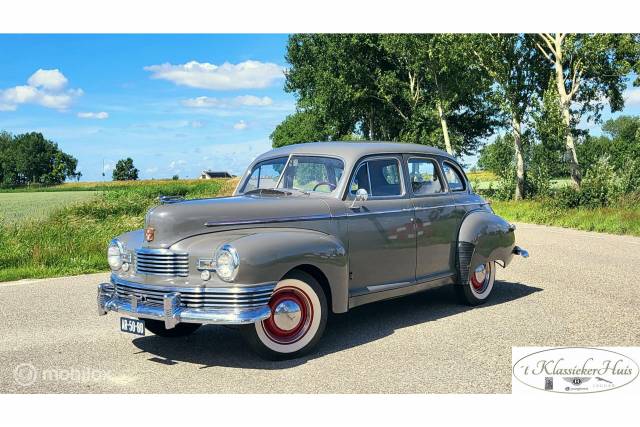
1947 | Nash 600 Trunk Sedan
Nash 600 super

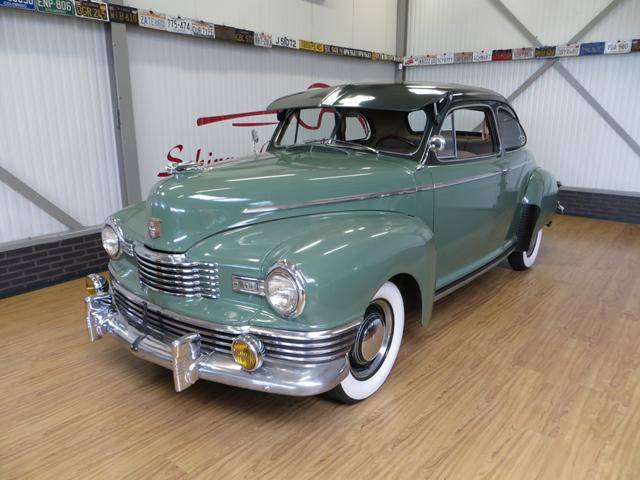
1947 | Nash 600 Brougham Coupe
Nash 600 Super Brougham Coupé
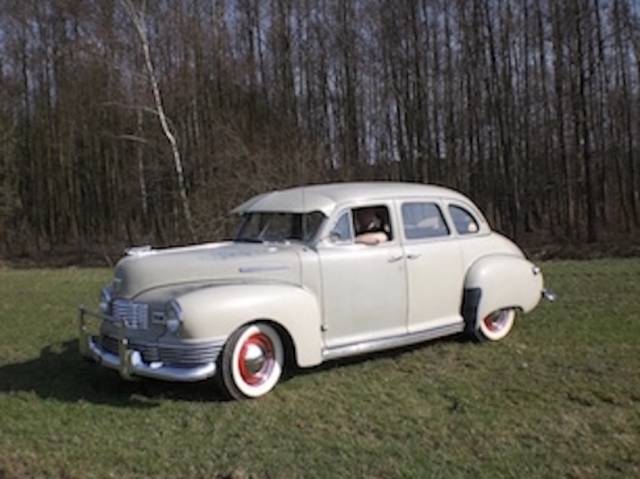
1948 | Nash 600 Trunk Sedan
Nash 600 Oldtimer UNIKAT RESTAURIERT SELTEN

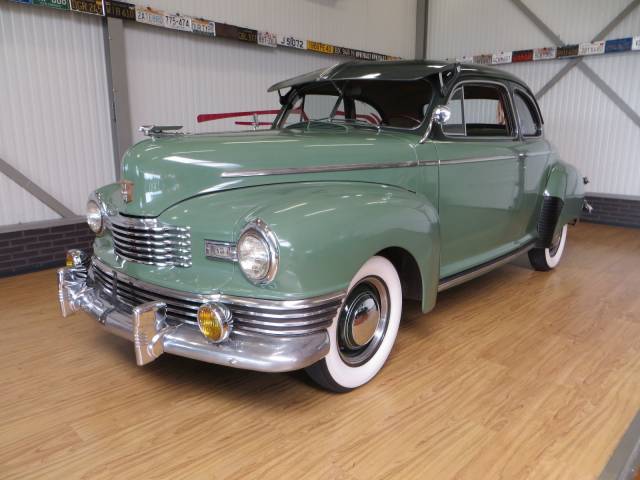
1947 | Nash 600 Brougham Coupe
NASH 600 BROUGHAM SUPER
Create search alert
Let yourself be notified as soon as a listing is published that matches your search filters.
Create listing
Do you have a Nash 600 that you want to sell? Then create a listing now.
Create listingNash 600 Classic Cars: Prices & Market Values
History of the Nash 600
The Nash 600, manufactured by Nash-Kelvinator Corporation between 1941 and 1949, made automotive history as the first mass-produced American vehicle with a unibody, or monocoque, construction. The car earned its name from its remarkable ability to cover 600 miles (965 kilometres) on a single tank of fuel, a feat that stood out among its contemporaries. Production began just before the US entered World War II and was paused from 1942 to 1946. When production resumed post-war, the Nash 600 received a facelift and a more refined grille. Its robust yet lightweight construction not only reduced weight and fuel consumption, but also contributed to a quieter and more rigid ride. The final 1949 model introduced the 'Airflyte' ponton-style body before the model line was succeeded by the Nash Statesman in 1950.
Model history
The Nash 600 was developed from 1941 as Nash's mid-sized offering, replacing earlier body-on-frame models and marking a leap into modern vehicle construction. The first generation (1941–1942) included various body styles, such as the sedan, business coupe and doctor's coupe. After wartime production stopped, the car returned in 1946 with design updates and additional features. In 1949, the final 'Airflyte' edition introduced fully enclosed front fenders and more aerodynamic contours. The Nash 600's direct successor was the Nash Statesman, which continued production until 1956 and carried over many of the Nash 600's innovations.
Highlights of the Nash 600
The Nash 600 stood apart due to its pioneering monocoque construction, giving the car an edge in weight reduction and ride dynamics, a rarity among 1940s American vehicles. The car’s exceptionally long range and fuel efficiency—reportedly about 1 litre per 12.75 km—were direct outcomes of its engineering. Nash’s extensive optional extras, such as the Weather Eye heater and original valve radio, added to the appeal, and the model’s robust build is evidenced by the lasting presence of many metallic components and original accessories on surviving cars.
Technical data
Special Editions and Collectible Models
Noteworthy variants include the Nash 600 Business Coupe, often configured without rear seats for utility or delivery use. By 1946, some Nash 600s featured an innovative fold-flat seat arrangement, transforming the interior into a makeshift sleeping area—an uncommon feature for the era. In 1949, the streamlined Nash 600 'Airflyte' introduced the fully enclosed ponton body, standing out visually and aerodynamically compared to earlier models.
Weak Spots and Common Issues
While detailed weak spots are not noted in the current source data, it is established that repair methods differed compared to body-on-frame contemporaries due to the Nash 600's unibody construction. Collision repairs required specialised techniques and could be more challenging than for conventional designs of its era. Long-term robustness is underlined by the continued presence of original metalwork and factory parts in existing cars today.
Engine and Performance, Transmission and Handling
The Nash 600’s flathead six engine produced around 82–86 hp, paired with a manual 3-speed transmission (optionally with electrically actuated overdrive). The lightweight monocoque chassis, uncommon in 1940s America, delivered improved ride comfort and handling stability. Its 600-mile range per tank reflects a focus on low fuel consumption and long-distance usability. The front and rear suspension tuning ensured a comfortable ride, further emphasised by the car's quiet cabin and solid road manners. Popular for their balance of durability, space and economy, the Nash 600 sedans and coupes became favourites among practical-minded motorists.
Popular models include:
- Nash 600 4-door Sedan: Practical, family-oriented layout with ample space and classic 1940s American styling.
- Nash 600 Business Coupe: Notable for its cargo-friendly interior, sometimes delivered without rear seating and marketed toward professionals requiring utility.
- Nash 600 Airflyte (1949): Featuring the new ponton body shape, a milestone in Nash’s aerodynamic design philosophy. undefined
Interior, Comfort, Exterior and Design
Renowned interior designer Helene Rother styled the Nash 600’s interior—especially in later years—crafting matching upholstery and trim colour schemes aligned with specific exterior colours. Fabric upholstery, robust switchgear and ingenious solutions like the fold-flat rear seat exemplified Nash’s practical approach. Externally, the 600 displayed prominent, rounded fenders and a distinctive grille with parallel chrome bars. Post-war models received facelifts, most dramatically with the 1949 'Airflyte' ponton body that enhanced aerodynamics and visual unity. Accessories included original Nash radios, 'Weather Eye' heating, chrome trims, optional sun visors, and auxiliary oil filters, all highlighting attention to owner comfort and vehicle longevity.
Other relevant features
The Nash 600's reputation for solid build quality and its pioneering engineering made it favourable for everyday use and longevity. Many cars still feature original toolkits, handbooks and period number plates, reflecting both their original completeness and collector appeal. Its fuel range, combined with robust construction, made the 600 attractive to buyers seeking practical long-distance transport in the postwar period.
Summary
The Nash 600 stands as a milestone in mid-century American automotive engineering, introducing the country to the practical advantages of unibody construction and demonstrating the merits of efficiency and innovative design in a period dominated by tradition. Its combination of technical progress, comfort, and unique features—like the foldable seat bed and high-grade interiors—has secured its place as a distinctive classic, especially given the concentration of demand and supply in today’s market.