N.A.W. Sperber Classic Car for Sale
The N.A.W. Sperber 6/20, produced by Norddeutsche Automobil-Werke in Hameln, stands out as a rare German classic. Known for its 20 HP engine and often still retaining original paint and interior from 1913, this vehicle appeals especially to enthusiasts of pre-war automobile history.
Search results
Currently, there are no matching listings for your search.
Create search alert
Let yourself be notified as soon as a listing is published that matches your search filters.
Create listing
Do you have a N.A.W. Sperber that you want to sell? Then create a listing now.
Create listingN.A.W. Sperber listing references from Classic Trader
Below you will find listings related to your search that are no longer available on Classic Trader. Use this information to gain insight into availability, value trends, and current pricing for a "N.A.W. Sperber" to make a more informed purchasing decision.
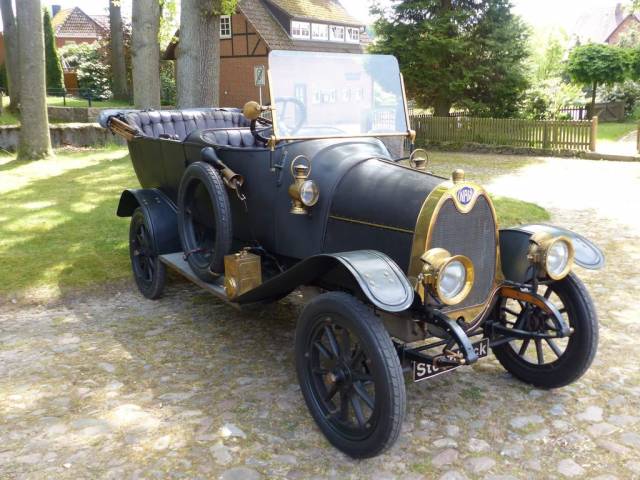
1913 | N.A.W. Sperber 6/20
Rare tourer from the brass era

Create search alert
Let yourself be notified as soon as a listing is published that matches your search filters.
Create listing
Do you have a N.A.W. Sperber that you want to sell? Then create a listing now.
Create listingN.A.W. Sperber Classic Cars: Prices & Market Values
History of the N.A.W. Sperber
The N.A.W. Sperber traces its roots to Norddeutsche Automobil-Werke in Hameln, Germany. The manufacturer, active until 1929, produced its Sperber model in the early 20th century with production supported after World War I by Walter von Selve. The company built its own engines, with facilities in Altena. Many Sperber vehicles were assembled at Burkard Werke, emphasising localised, small-scale production typical of the period.
Model History of the N.A.W. Sperber
Within N.A.W.’s lineup, the Sperber carried the 6/20 designation, referencing its engine output. There were no widely recognised predecessor or successor models; the rarity and short production span make each Sperber an important example of early German motor engineering. Production ceased as N.A.W. ended automobile manufacturing in 1929.
Highlights and Unique Features of the N.A.W. Sperber
A standout feature of the N.A.W. Sperber is its authenticity; many existing examples still feature the original paintwork and interior trim dating back as far as 1913. The model’s mechanics, described as archaic even in its day, still provide reliable operation. The Sperber is a choice for collectors who focus on originality and the early era of German car design.
Technical Data
Special Editions and Collectible Models
No separate limited or commemorative editions are listed for the N.A.W. Sperber. Surviving vehicles themselves—often with preserved original features—stand as unique artefacts due to their low production volume and age.
Weak Spots and Common Issues
No specific weaknesses or technical problem zones are documented for the N.A.W. Sperber. Given its mechanical age and rare technology, potential owners should expect to contend with the usual challenges of early automotive construction: sourcing bespoke components and maintaining systems by hand. Regular checks of the aged drivetrain and original components are vital for roadworthiness.
Engine, Transmission and Handling of the N.A.W. Sperber
The Sperber’s 6/20 specification refers to a 20 HP output, providing modest performance by modern standards. The driving experience is marked by functional, if dated, mechanisms that remain serviceable when properly maintained. Expect direct, unassisted steering and a period-accurate transmission system—traits that appeal to those who value historical authenticity in a driving experience. The N.A.W. Sperber 6/20 is the representative engine and configuration for this series, with its merits resting on authenticity rather than performance figures.
Interior, Comfort, Exterior and Design of the N.A.W. Sperber
The N.A.W. Sperber is notable for often retaining its original factory-applied paint and interiors, reflecting pre-World War I design language. Materials and finishes are consistent with what would be expected from an early 1910s German motorcar: wood and fabric for interiors, subdued exterior finishes designed for practicality and durability. Accessories and optional equipment were sparse, as was typical in the era, with emphasis placed on basic transportation.
Other Notable Features
The Sperber represents a fascinating chapter of German motoring tradition, with each car providing direct insight into the engineering, craftsmanship, and usage of rare pre-war automobiles from small manufacturers. The continued presence of original features in remaining vehicles adds to their documentary value for enthusiasts and historians.
Summary
The N.A.W. Sperber 6/20 is a rare fixture from early German motoring, primarily of interest to collectors focused on originality and mechanical history. With its 20 HP engine, aged yet durable construction, and proven provenance, it’s an authentic artefact of automotive engineering from the Norddeutsche Automobil-Werke’s historic Hameln workshops.