Morris Oxford classic cars for sale
The Morris Oxford, produced between 1913 and 1971, represents a milestone in British car history, with technical innovations like its distinctive Bullnose radiator and various adaptable body styles. With models ranging from open tourer two-seaters to rare Doctors Coupés, the Oxford series remains highly sought after among enthusiasts for its engineering, historical context, and the strong presence it maintains on today's classic car market.
Search results
Currently, there are no matching listings for your search.
Create search alert
Let yourself be notified as soon as a listing is published that matches your search filters.
Create listing
Do you have a Morris Oxford that you want to sell? Then create a listing now.
Create listingMorris Oxford listing references from Classic Trader
Below you will find listings related to your search that are no longer available on Classic Trader. Use this information to gain insight into availability, value trends, and current pricing for a "Morris Oxford" to make a more informed purchasing decision.
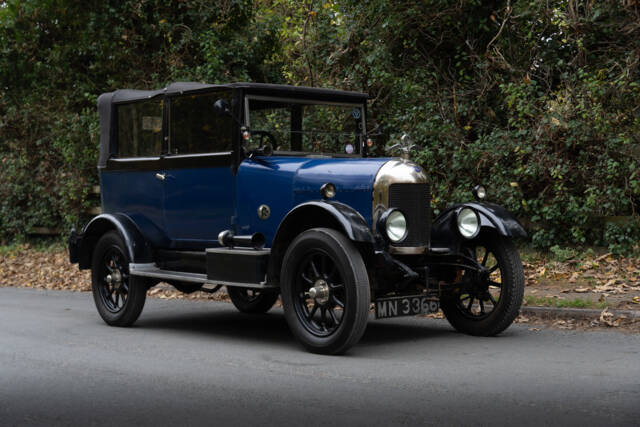
1924 | Morris Oxford Bullnose
1924 Morris Bullnose Oxford 4-seat Tourer

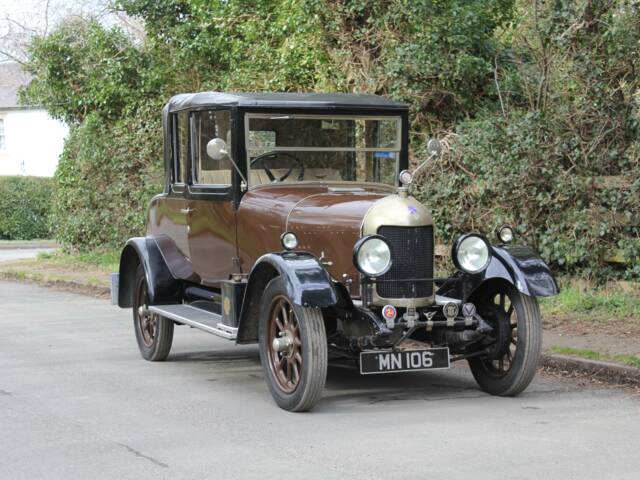
1926 | Morris Oxford Bullnose
1926 Morris Oxford Bullnose 3/4 DHC
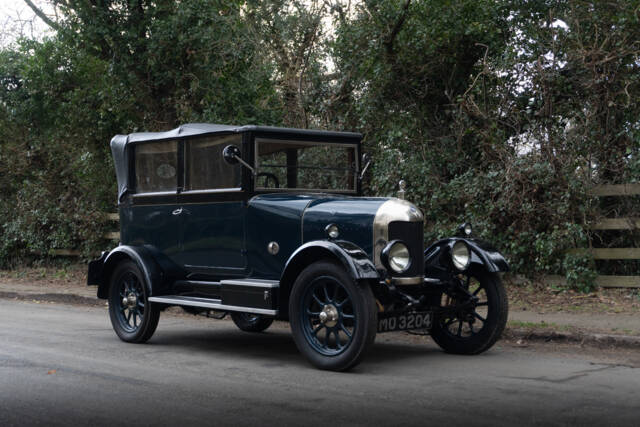
1924 | Morris Oxford Bullnose
1924 Morris Bullnose Oxford De Luxe Four Seat Cabriolet
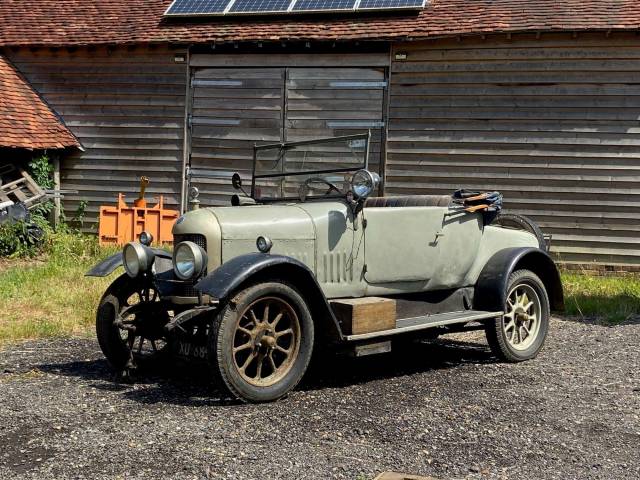
1924 | Morris Oxford Bullnose
1924 Morris Oxford Bullnose Two-Seater with Dickey
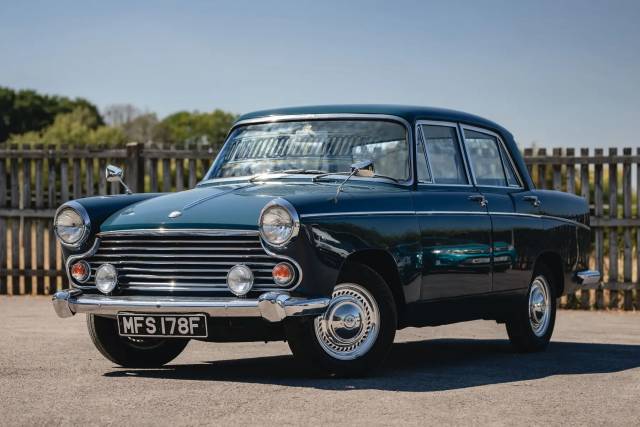
1968 | Morris Oxford
Delightful Classic Morris
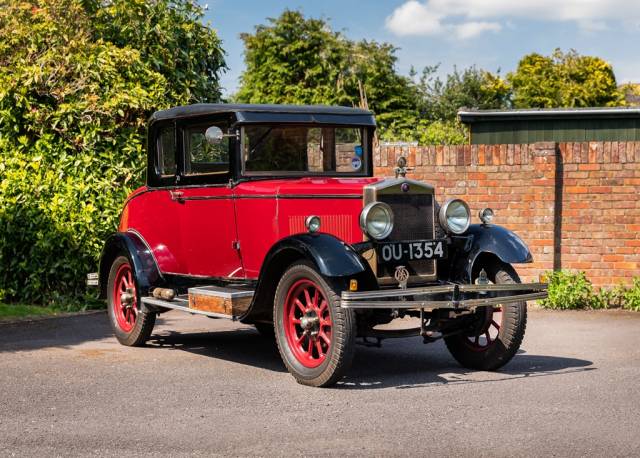
1929 | Morris Oxford
Morris Oxford Flatnose Doctors Coupé
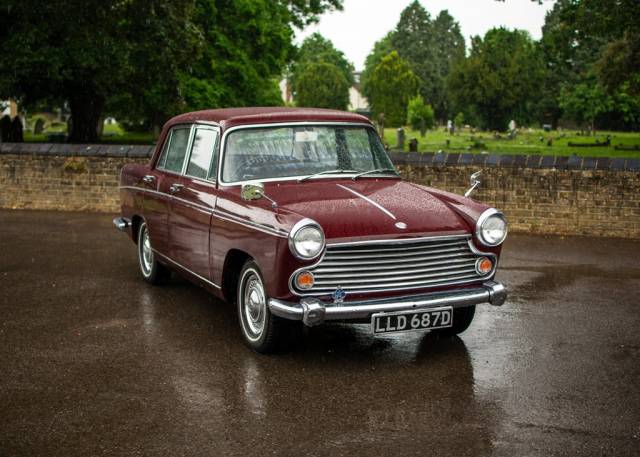
1966 | Morris Oxford
Morris Oxford Series VI
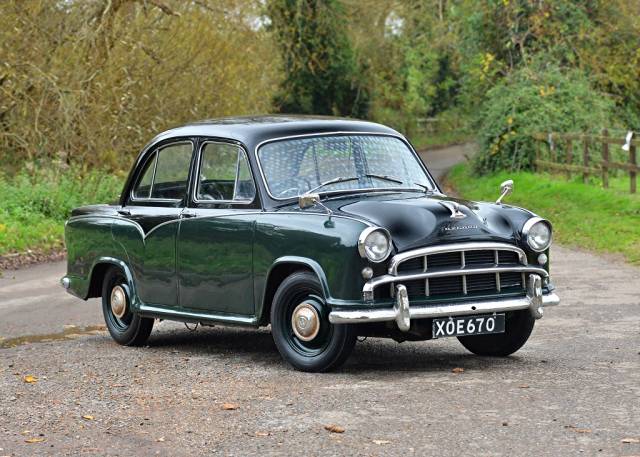
1958 | Morris Oxford
Morris Oxford Series III
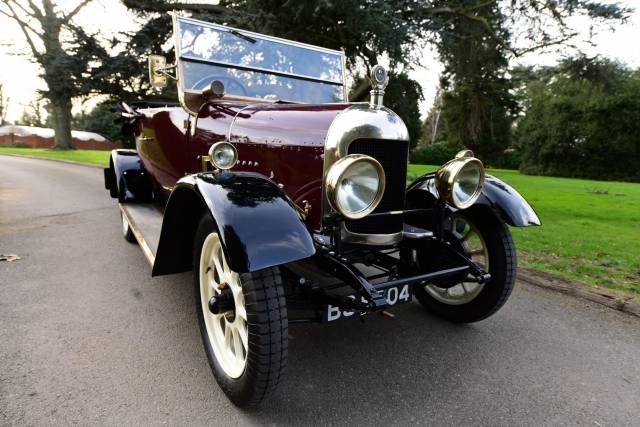
1926 | Morris Oxford Bullnose
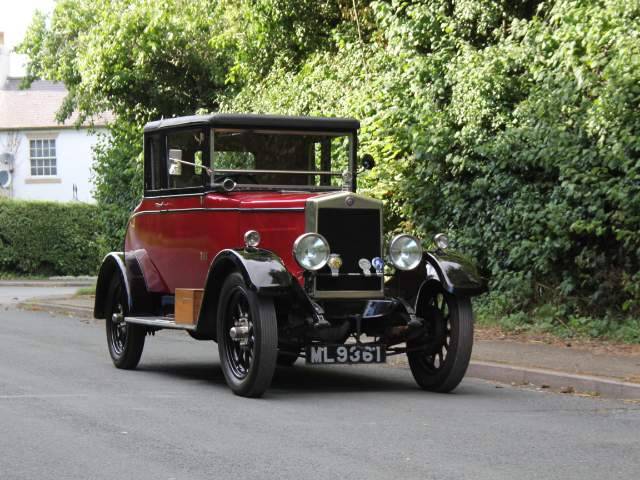
1927 | Morris Oxford
Doctors Coupe
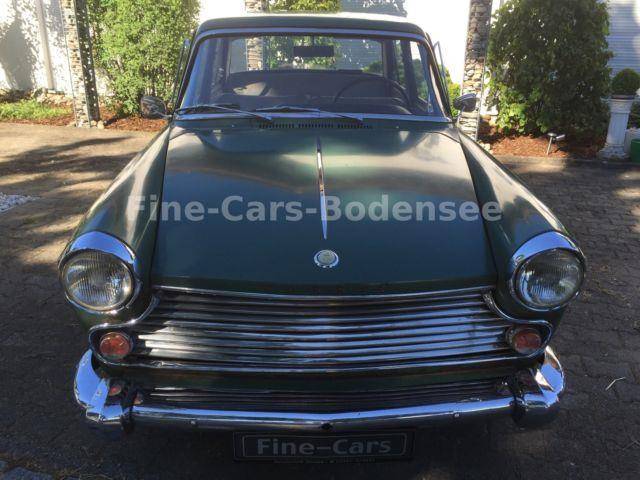
1962 | Morris Oxford
MORRIS OXFORD-ORIGINAL-ZUSTAND LI.GEST.!

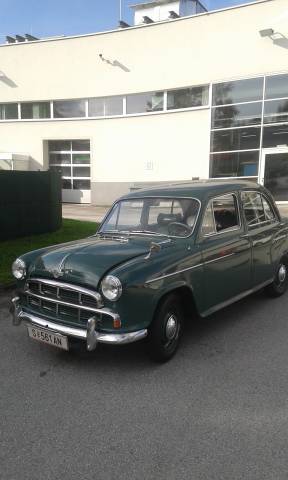
1954 | Morris Oxford
Garagen- und servicegepflegt

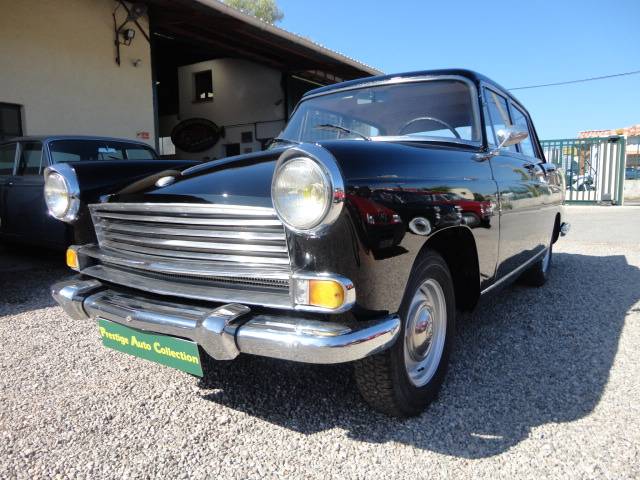
1960 | Morris Oxford
EXTRÊMEMENT RARE MORRIS OXFORD (avec conduite à gauche)

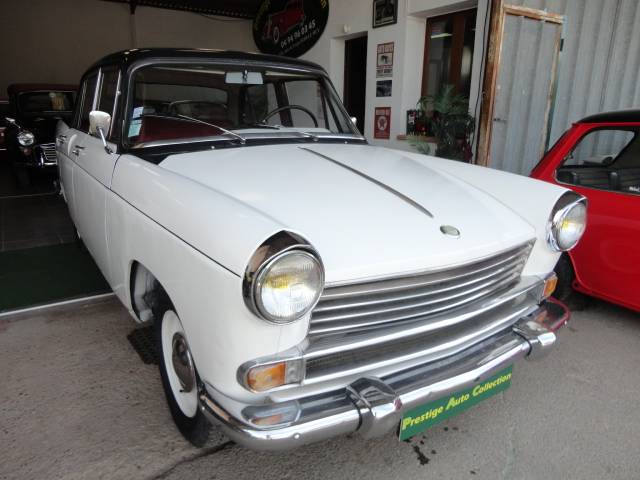
1960 | Morris Oxford
Create search alert
Let yourself be notified as soon as a listing is published that matches your search filters.
Create listing
Do you have a Morris Oxford that you want to sell? Then create a listing now.
Create listingMorris Oxford Classic Cars: Prices & Market Values
History of the Morris Oxford
The Morris Oxford traces its roots back to 1913, when it debuted as the 'Bullnose'—a nickname drawn from its rounded radiator. Named after the university city where William Morris built his business, the Oxford played a critical role in the industrial transformation of Oxford itself. Early Oxfords, assembled from high-quality components sourced from specialist suppliers like White & Poppe (engines) and Rubery Owen (chassis), quickly advanced in both technological sophistication and market share. By the 1920s, Oxfords—alongside Cowley models—represented a substantial 41% of Britain's car output, making Morris a dominant manufacturer in the interwar period. The Oxford continually evolved, culminating in later generations like the Farina V and VI, which brought modern styling yet retained accessible mechanical concepts. The model series ended in 1971, but the Oxford name had already left a profound impression in British automotive history.
Model history
The original Oxford, launched in 1913 and known for its 'Bullnose' front, laid the foundation for a diverse and long-running model series. Initially powered by a 1,018-cc, side-valve four-cylinder engine from White & Poppe, and almost entirely built from bought-in parts, the Oxford was both practical and reliable. Over time, the range expanded to include versions like the Flatnose and, notably, pre-war Doctors Coupés with distinctive Dickie seats. The model name was revived post-Second World War; with the introduction of the Oxford Series MO in 1948, it evolved through several generations (including IV, V, and VI / ADO 38), with each version pushing forward in terms of engineering, comfort, and style. While the core mechanical layout remained conservative, detail improvements—such as enhanced steering, suspension, and brake systems—ensured each generation kept pace with changing customer expectations. The Farina-styled Series V and VI signalled the series' conclusion in 1971.
Highlights of the Morris Oxford
- The Bullnose front and modular assembly from British suppliers set early Oxfords apart from contemporaries.
- The Doctors Coupé body style, featuring a fold-out Dickie seat, offers a rare and collectible variant.
- Oxfords contributed to Morris achieving up to 41% share of British car production in the 1920s.
- Today, a notable range of colours and liveries, like red with black wings and roof, attracts collectors.
- Many examples survive with comprehensive documentation such as original V5 registration and historical logbooks.
- Service manuals and active club support (like the Morris Car Club) simplify restoration and ownership.
Technical Data
Special Editions and Collectible Models
Among collectible variants, the pre-war Doctors Coupé stands out due to its unique Dickie seat, distinctive coupe bodywork, and historical rarity. Additionally, de luxe versions introduced at the Olympia Motor Show in 1913 brought longer wheelbases and enhanced comfort. Limousine and sports car derivatives further expanded the Oxford's appeal, offering tailored solutions for distinct customer needs.
Weak Spots and Common Issues
While specifics are limited, pre-war Oxfords can be sensitive to wear in their leaf-spring suspension and steering linkages, especially if lubrication isn't maintained. Components like acetylene lighting systems and early-style brakes require specialist skills and parts but benefit from a strong support network via traditional clubs and dedicated manuals. Post-war models, with more conventional systems, tend to be robust, though corrosion of steel panels and frames is a known issue to watch for.
Engine and Performance, Transmission and Handling
Early Oxfords provide modest propulsion via side-valve engines, prioritising reliability over outright speed. The 1,018-cc powerplant produced enough torque for light car applications, aided by simple and rugged 3-speed transmissions. Handling is characteristic of period British tourers: predictable with a compliant leaf-spring setup, though not designed for rapid cornering. Post-war models offered incremental improvements through independent suspensions and improved braking. All Oxfords maintain an approachable, engaging character prized among vintage enthusiasts. - Morris Oxford 'Bullnose' (1913–1926): Known for its instantly recognisable rounded radiator and the foundational mechanical layout.
- Morris Oxford Flatnose Doctors Coupé (1929): Rare, coupe-bodied variant with Dickie seat and period-specific aesthetics.
- Morris Oxford Series VI / ADO 38: Represents the transition to a more modern driving experience while retaining classic British charm.
Interior, Comfort, Exterior and design
Distinct design elements define each Oxford generation. The Bullnose's signature front end is a visual hallmark, while open tourer and coupe bodies demonstrate versatility in styling. Two-tone finishes such as red paint with black wings and roof were popular, and interior appointments ranged from basic, functional layouts to more luxurious trims in de luxe and limousine variants. Accessories like period lighting (acetylene lamps from Powell & Hanmer), tachometers, and specialist seating options (e.g., the Dickie seat) add authenticity and collectibility. Craftsmanship from coachbuilders such as Raworth of Oxford is evident in period bodies. For post-war models, the emphasis shifted to more spacious interiors and improved driver ergonomics, without abandoning the traditional British aesthetic.
Other Features
Many surviving Oxfords benefit from an active owners' community and are often sold complete with workshop manuals and original documentation, such as V5 registration logbooks. Participation in marque clubs and classic events is common, supporting both restoration and day-to-day enjoyment.
Summary
The Morris Oxford exemplifies British engineering evolution, spanning from early, component-sourced cars of the 1910s to the more mature and refined post-war saloons of the 1970s. Highlights include hallmark body styles such as the Bullnose and Doctors Coupé as well as broad community and service support. Its strong representation in both supply (70%) and demand (95% of Morris listing views) underlines continued relevance and appeal on today's classic car market, offering enthusiasts both a historical journey and a practical vintage motoring experience.