Morris 1800 classic cars for sale
The Morris 1800, produced under the model code ADO17, represents a pivotal chapter in British automotive design during the 1960s and 1970s. Known for its unique front-wheel-drive layout and generous width, this spacious family saloon was acclaimed for redefining comfort and practicality in its segment.
Search results
Currently, there are no matching listings for your search.
Create search alert
Let yourself be notified as soon as a listing is published that matches your search filters.
Create listing
Do you have a Morris 1800 that you want to sell? Then create a listing now.
Create listingMorris 1800 listing references from Classic Trader
Below you will find listings related to your search that are no longer available on Classic Trader. Use this information to gain insight into availability, value trends, and current pricing for a "Morris 1800" to make a more informed purchasing decision.
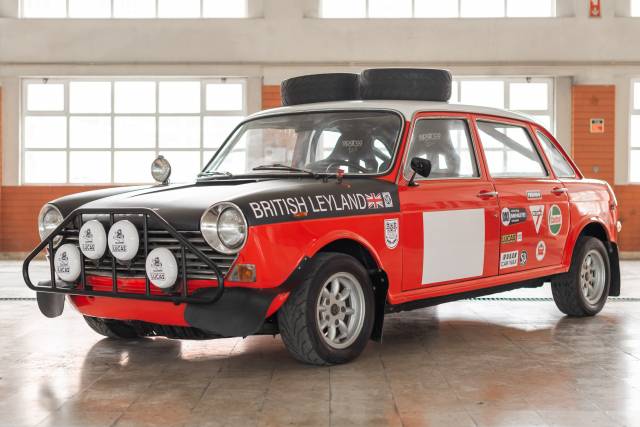
1966 | Morris 1800
London to Sydney '68 Evocation

Create search alert
Let yourself be notified as soon as a listing is published that matches your search filters.
Create listing
Do you have a Morris 1800 that you want to sell? Then create a listing now.
Create listingMorris 1800 Classic Cars: Prices & Market Values
History of the Morris 1800
Introduced in September 1964 by the British Motor Corporation, the Morris 1800 formed part of the ADO17 range, targeting the European D-segment for larger family saloons. Initially, the vehicle appeared under the Austin nameplate, but soon Morris offered its own version to broaden market appeal. The 1800 soon distinguished itself through groundbreaking front-wheel-drive technology, a roomy interior, and a strikingly wide stance that led enthusiasts to affectionately dub it the "landcrab." The combination of technical boldness and everyday usability established the Morris 1800 as an unmistakable presence on Britain’s roads throughout its production run until 1975.
Model History of the Morris 1800
The ADO17 platform fostered several closely related vehicles: initially launched as the Austin 1800, it was subsequently joined by the Morris 1800 and the more luxurious Wolseley 18/85. In the later production years, BMC expanded the range with larger 2200 cc engines, evolving into the Morris 2200 and other derivatives. The 'landcrab' models maintained a consistent design language, focused on maximizing passenger space and road comfort. While there was no direct predecessor to the Morris 1800, it paved the way for subsequent large family cars within the British Leyland fold.
Highlights of the Morris 1800
The Morris 1800 gained recognition for its exceptionally wide body, which allowed for an impressively spacious cabin. This design, combined with the car's robust Hydrolastic suspension and front-wheel-drive configuration, produced a notably smooth ride and excellent road handling. The vehicle’s technical features set it apart amongst its peers, as did its unconventional design language—so much so that the 'landcrab' moniker became a household nickname.
Technical Data
Special Editions and Collectible Models
The Morris 1800’s lineage included a notable luxury derivative, the Wolseley 18/85, featuring upgraded interiors and trim. Later, the Morris 2200 models with their larger 2.2 L engines provided improved performance. Limited-production or collectible editions are generally focused around unique trim or original-condition examples, rather than factory-announced special editions.
Weak Spots and Common Issues
There are no documented common issues for the Morris 1800 in the current data. However, as with many classics from this era, buyers should check for rust in structural areas, wear in the Hydrolastic suspension units, and the overall condition of the drivetrain and subframes.
Engine and Performance, Transmission and Handling
Equipped with a robust 1.8-litre engine, the Morris 1800 delivered solid performance figures for a large family car of its time. The transverse engine and front-wheel-drive setup provided secure handling—even on winding roads—while the Hydrolastic suspension gave an exceptionally comfortable and composed ride. Gear change mechanisms were typically manual, though some variants also received automatic transmissions in later years. The standard 1800 model remains the most frequently seen, but later 2200 models and the Wolseley-badged versions are sought after for their enhanced comfort and increased engine displacement.
Interior, Comfort, Exterior and Design
The 'landcrab' nickname referenced the car’s broad, flat body—one of its defining features. The interior boasted notable spaciousness and innovation in seating comfort. Special design details included simple yet efficient dashboard layouts, large wrap-around windows, and a commanding outward visibility. Accessory options, while limited, often included period-correct items like upgraded radios, seat fabrics, and optional wheel trims. The vehicle’s design reflected mid-century British sensibilities balanced with practicality.
Other Features
The Morris 1800 is often referenced as a pioneer in the move towards more spacious, front-wheel-drive family saloons in the UK market, influencing future British Leyland models.
Summary
The Morris 1800 represents a key shift in post-war British automotive engineering, delivering spaciousness, advanced front-wheel-drive technology, and comfort that stood out sharply from its contemporaries. With its continuous presence in both supply and demand within the classic car scene, it remains a fascinating choice for enthusiasts valuing originality and engineering daring.