Morris 1100 Classic Cars for Sale
The Morris 1100, produced from the 1960s, stands out as a British small saloon celebrated for its advanced Hydrolastic suspension, reliable four-cylinder engine, robust build quality, and surprisingly comfortable ride. Combining economic ownership, distinctive design elements like chrome bumpers and disc brakes, and enduring collectability, the 1100 is a practical and characterful choice for British classic car enthusiasts.
Search results
Currently, there are no matching listings for your search.
Create search alert
Let yourself be notified as soon as a listing is published that matches your search filters.
Create listing
Do you have a Morris 1100 that you want to sell? Then create a listing now.
Create listingMorris 1100 listing references from Classic Trader
Below you will find listings related to your search that are no longer available on Classic Trader. Use this information to gain insight into availability, value trends, and current pricing for a "Morris 1100" to make a more informed purchasing decision.
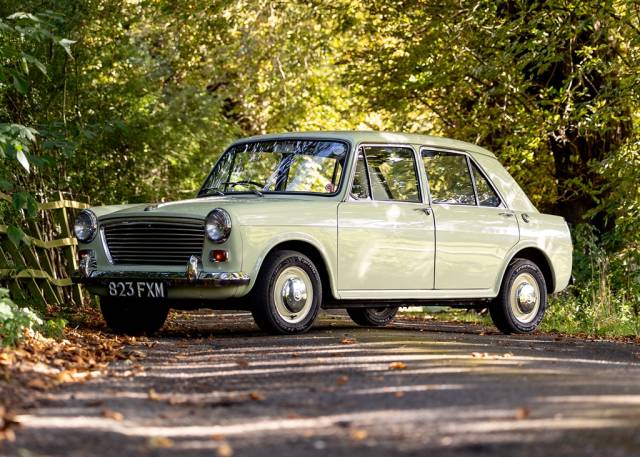
1963 | Morris 1100
Morris 1100

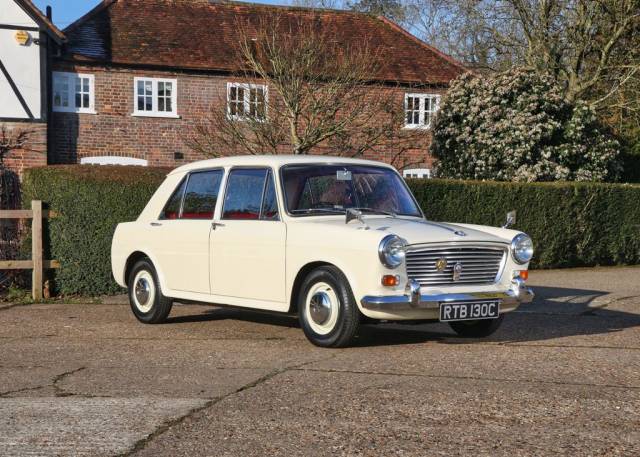
1965 | Morris 1100
Morris 1100 Mk. I
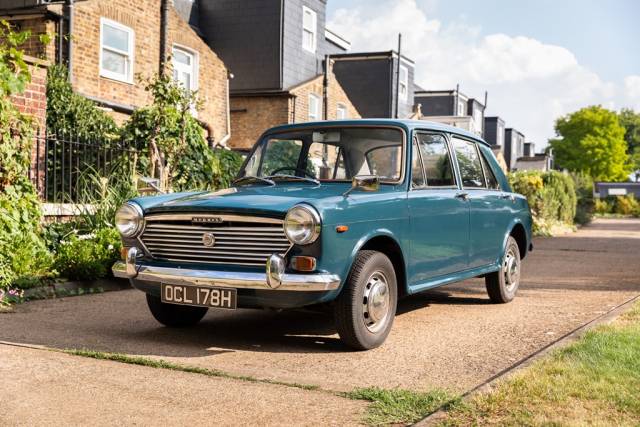
1970 | Morris 1100
Morris 1100 Mk. II
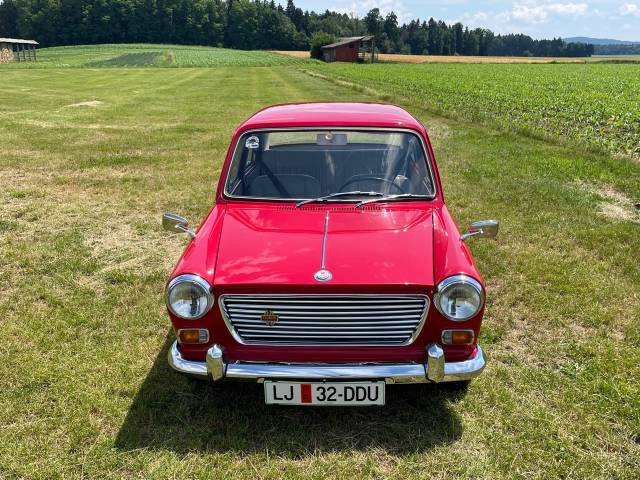
1966 | Morris 1100
ADO 16 in excelent condition, very few owners
1968 | Morris 1100
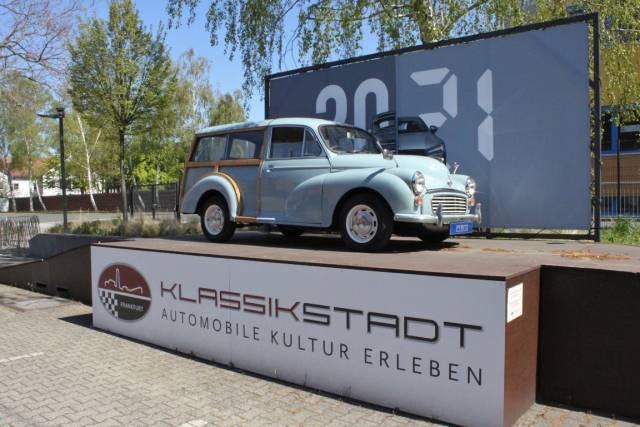
Minor 1000 Traveller

Create search alert
Let yourself be notified as soon as a listing is published that matches your search filters.
Create listing
Do you have a Morris 1100 that you want to sell? Then create a listing now.
Create listingMorris 1100 Classic Cars: Prices & Market Values
History of the Morris 1100
Introduced in 1962 and manufactured at the Cowley plant, the Morris 1100 quickly took its place among Britain's most popular cars, regularly topping local sales charts throughout the 1960s. This car belonged to the expansive BMC ADO16 family – a model range that redefined the small family saloon in the UK during its era. The Morris 1100 was renowned for its modern engineering, including a Hydrolastic 'float on fluid' suspension system, and was widely exported, with assembly taking place in several countries including the Netherlands. The 1100 symbolised an evolution from the Morris Minor by delivering greater driving comfort, advanced safety features, and contemporary appeal.
Model Series History: Predecessor and Successor
The Morris 1100 traces its lineage back to the Morris Minor, inheriting and improving upon the reputation for durability and practicality. As part of the successful ADO16 project, it was known under various badges including Austin 1100 and MG 1100, becoming the best-selling car in Britain multiple times throughout the 1960s. Its innovative character and robust platform cemented its place until it was gradually succeeded by the Austin Allegro and other hatchbacks of the 1970s.
Highlights and Unique Features
The Morris 1100 distinguished itself with technical advancements such as Hydrolastic suspension, which offered significantly better comfort and ride quality compared to its contemporaries, and front disc brakes as standard. Original models typically included details like a super heater, strong enamelled engines, black skai or leatherette upholstery, as well as brightwork in the form of chrome hubcaps and bumpers. Many buyers were also attracted by the tax-exempt status for historic vehicles, MOT exemption, and exceptionally low running costs. The 1100’s practical four-door layout and ease of maintenance made it a favourite among classic car newcomers and seasoned drivers alike.
Technical Data
Special Editions and Collector Models
Although the Morris 1100 was mainly produced as a standard four-door saloon, some models are particularly valued by enthusiasts. Early Mk1 cars, models with unique factory paintwork, preserved original black interiors, or those retaining the ‘super heater’ feature garner additional attention. Collector focus is especially heavy on well-maintained or extremely original examples, as the model’s survival rate is comparatively low.
Weak Spots and Common Issues
Although the Morris 1100 boasts a solidly-built body and dependable mechanics, buyers should inspect the structural integrity—especially on the sills and suspension mounts—for corrosion. Parts availability remains strong due to shared components with other ADO16 models, but attention to Hydrolastic suspension condition is vital, as replacements may require specialist knowledge. Routine maintenance is straightforward, and thanks to a vibrant classic car spares market, keeping a 1100 roadworthy and original is generally uncomplicated.
Engine, Driving Characteristics, Handling
The 1100’s four-cylinder petrol engine, combined with its Hydrolastic suspension, delivers remarkably smooth and confident road manners. With disc brakes at the front and handling that belies its age, the Morris 1100 can keep up with modern urban traffic and cruise comfortably at 60 mph. The car’s economical fuel consumption and affordable classic insurance make it especially attractive for both daily use and as a starter classic. Owners praise its precise steering, soft ride, and ease of driving. - Morris 1100 Mk1 Saloon (noted for originality and period details)
- Dutch-assembled models (rarer specs)
- Examples with original enamelled-green engines
Interior, Comfort, Exterior and Design
Designed for comfort and practicality, the Morris 1100’s interior blends minimalist British design with robust materials. Black skai (leatherette) trim is most common, with some rare leather options. The dashboard is functional, and the original factory heater is often present, a boon for everyday usability. On the outside, the car’s restrained lines, chrome hubcaps and bumpers, and practical four-door configuration embody the pragmatic British style of the 1960s. Special paint colours and preserved brightwork often distinguish the most sought-after examples among collectors.
Other Noteworthy Features
Historic registration and tax-exempt status for the Morris 1100 make it a cost-effective entry into British classics. The vehicle's Hydrolastic system was a technological curiosity of the era, contributing significantly to its enduring appeal and character. Not only were cars built in the UK, but assembly also occurred in countries like the Netherlands, with subtle regional differences valued by marque enthusiasts.
Summary
The Morris 1100 represents a pivotal point in British automotive history, merging practical engineering with contemporary style. Its robust body, advanced suspension, and low ownership costs make it a continued favourite among both newcomers and experienced collectors. With 100% of Morris listings and demand focused on the 1100 series, it stands as the definitive Morris classic of the era.