- Car
- Mitsubishi
- Mitsubishi L 200 (0 offers)
Mitsubishi L 200 classic car for sale
The Mitsubishi L 200 stands as Mitsubishi’s definitive pickup, known for its robust construction, reliable powertrains, and impressive utility. With a history of adaptation across work and leisure, the L 200 is a favourite among enthusiasts for its mechanical toughness and enduring appeal. Explore the rich story of the L 200 and its role in shaping the reputation of Japanese pickups.
Search results
Currently, there are no matching listings for your search.
Create search alert
Let yourself be notified as soon as a listing is published that matches your search filters.
Create listing
Do you have a Mitsubishi L 200 that you want to sell? Then create a listing now.
Create listingMitsubishi L 200 listing references from Classic Trader
Below you will find listings related to your search that are no longer available on Classic Trader. Use this information to gain insight into availability, value trends, and current pricing for a "Mitsubishi L 200" to make a more informed purchasing decision.
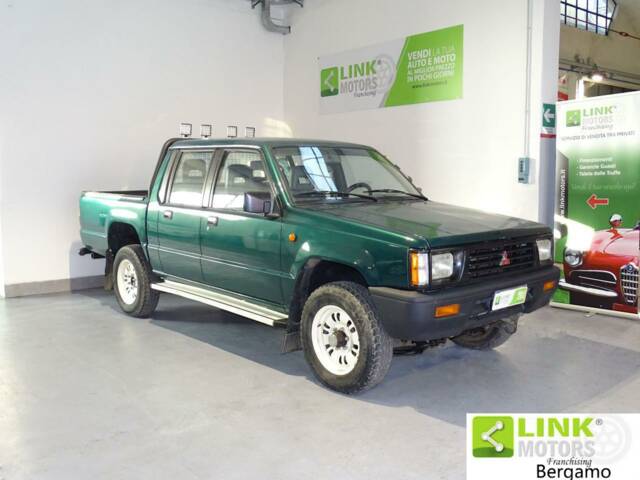
1994 | Mitsubishi L200
MITSUBISHI L200 2.5 TD 4WD Double Cab Pick-up

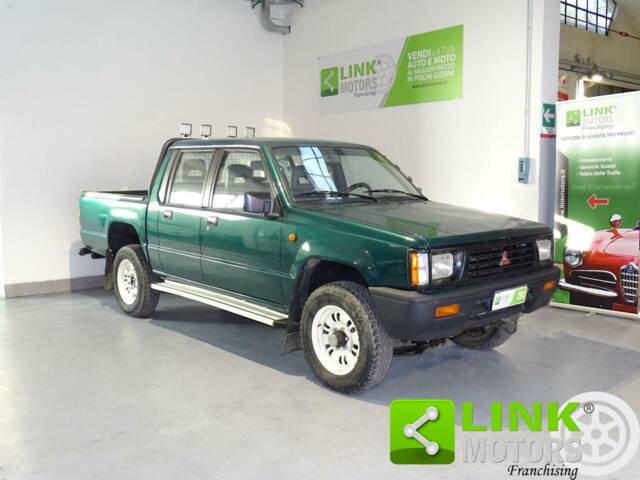
1994 | Mitsubishi L200
MITSUBISHI L200 2.5 TD 4WD Double Cab Pick-up
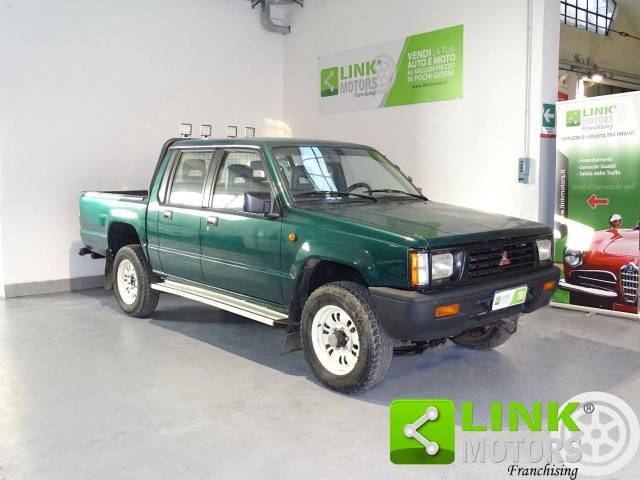
1994 | Mitsubishi L200
MITSUBISHI L200 2.5 TD 4WD Double Cab Pick-up
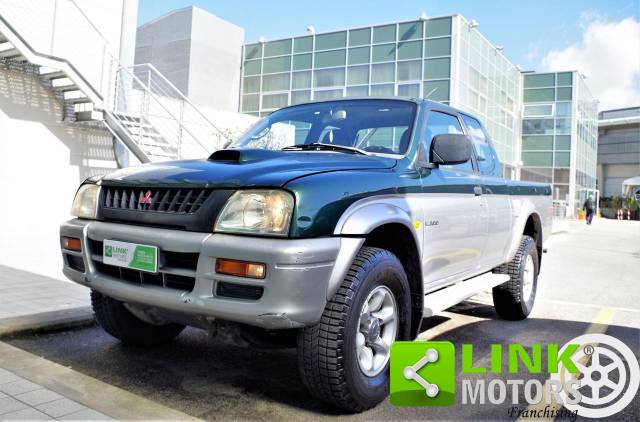
2000 | Mitsubishi L200
MITSUBISHI L200 2.5 TD 100cv 4WD | UNI PRO
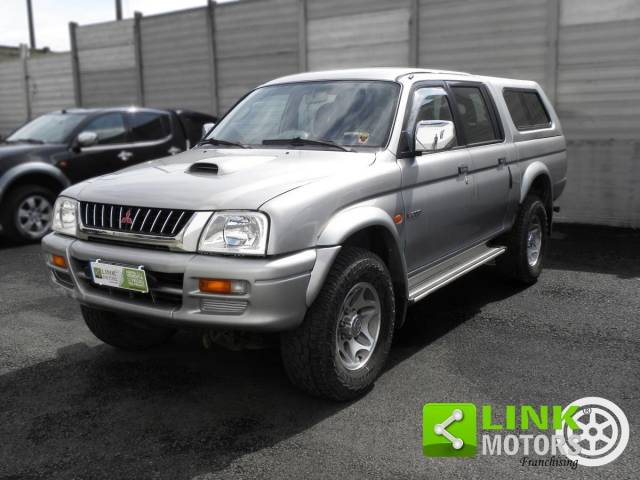
2000 | Mitsubishi L200
MITSUBISHI - L200 - 2.5 DI-D
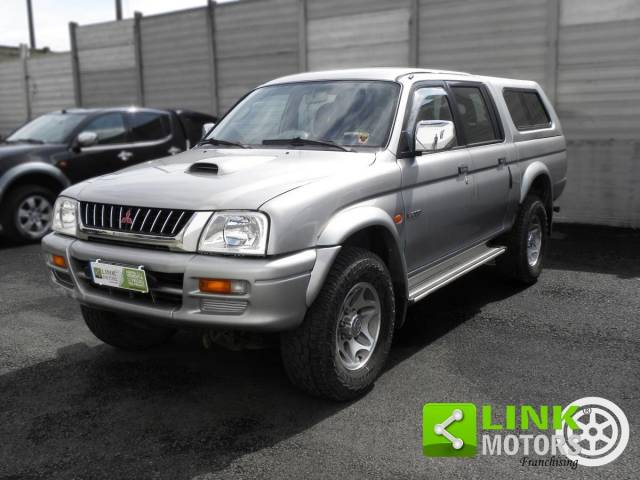
2000 | Mitsubishi L200
MITSUBISHI - L200 - 2.5 DI-D
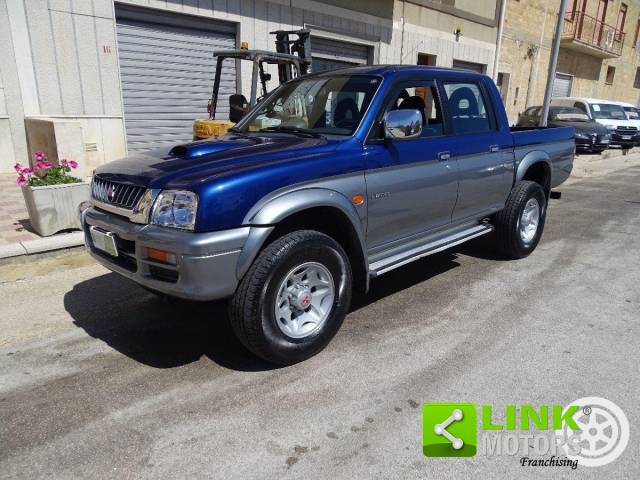
2000 | Mitsubishi L200
MITSUBISHI - L200
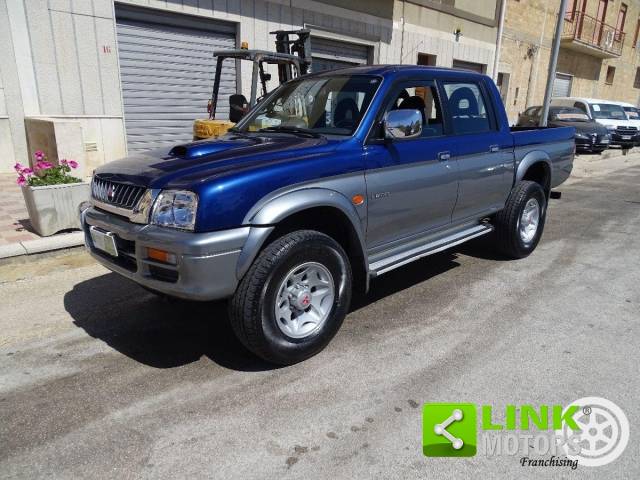
2000 | Mitsubishi L200
MITSUBISHI - L200

2000 | Mitsubishi L200
MITSUBISHI - L200
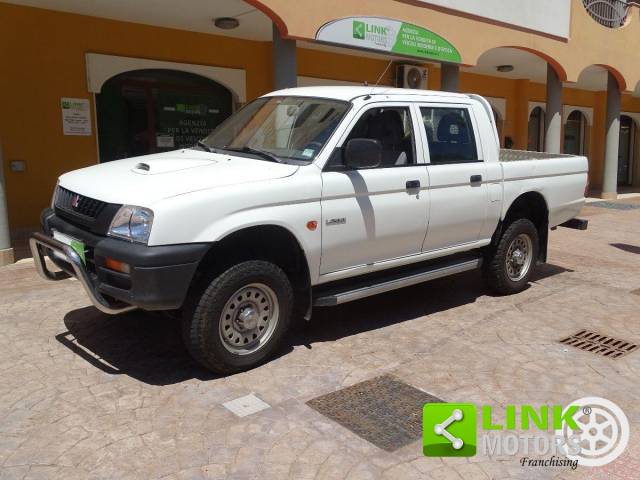
2000 | Mitsubishi L200
MITSUBISHI L200 Doppia cabina

2000 | Mitsubishi L200
Mitsubishi L200 Double Cab GLS - Uni Proprietario
Create search alert
Let yourself be notified as soon as a listing is published that matches your search filters.
Create listing
Do you have a Mitsubishi L 200 that you want to sell? Then create a listing now.
Create listingMitsubishi L 200 Classic Cars: Prices & Market Values
History of the Mitsubishi L 200
Launched in the late 1970s, the Mitsubishi L 200 was developed specifically for international markets where demand for mid-sized pickups was soaring. Mitsubishi engineered the L 200 to meet stringent utility demands, blending a rugged ladder-frame chassis with efficient engines. Its history is closely tied with the global rise of pickup trucks as multifunctional vehicles, often adopted for both commercial and private purposes. Over generations, the L 200 gained reputation for reliability, being a workhorse on construction sites, farms, and in off-road scenarios alike.
Model History
The first generation Mitsubishi L 200, launched as the Forte in Japan in 1978, set a high standard with rear-wheel drive and robust four-cylinder engines. With each new iteration, the L 200 evolved: the second generation in the 1980s brought diesel options and improved comfort, while the third generation in the 1990s expanded cab configurations. Subsequent generations focussed on safety, turbo diesel technology, and more refined interiors, making the L 200 a versatile player in Mitsubishi’s lineup. The series frequently overlapped or underpinned models for export partners, sometimes branded as the Mitsubishi Triton or even as Dodge and Fiat in overseas markets.
Highlights of the Mitsubishi L 200
Key features include the L 200's ladder-frame underpinnings, reputation for drivetrain durability, and its ability to traverse diverse terrain. Later models feature selectable four-wheel drive, all-terrain suspension, and improved corrosion protection, making classic examples resilient against age.
According to our data, the Mitsubishi L 200 represents 100% of classic Mitsubishi pickups listed and viewed, reflecting its exclusive position within the classic market for this brand.
Technical Data
Special Editions and Collectible Models
Throughout its production, the L 200 has seen several special editions, such as limited-run models designed for off-road events or to celebrate production milestones. Some editions featured unique two-tone paint jobs, uprated suspension, or exclusive decal packages. These models are increasingly noted among collectors for their rarity and distinctive specification.
Weak Spots and Common Issues
Known issues on classic Mitsubishi L 200 models often include chassis corrosion, particularly in regions using road salts, and wear on front suspension bushings. Diesel variants may show signs of injection pump wear over high mileages. Early models can have electrical gremlins due to ageing wiring, and regular attention to underbody rust protection is advised. Parts for older L 200s are generally available, but some trim pieces for rare cab or special editions may require sourcing from specialists.
Engine and Performance, Transmission and Handling
Engines range from dependable naturally aspirated four-cylinders to later turbo diesels delivering both torque and economy. Depending on year and market, the L 200 can be equipped with a five-speed manual or automatic gearbox, and selectable all-wheel drive provides off-road credibility. Braking and steering are robust, prioritising utility and load-carrying over sportiness. Classic models are sought after for their mechanical honesty and straightforward maintenance.
Popular Models:
- First-generation single cab: Recognised for its lightweight build and basic engineering, ideal for restoration projects.
- Second-generation double cab diesel: Valued for utility, improved comfort, and enhanced off-road technology. undefined
Interior, Comfort, Exterior and Design
Early L 200 models are functional inside, with typically vinyl-covered benches and minimal distractions. Over time, Mitsubishi increased the use of chrome, upgraded materials for the seats, and introduced air conditioning and power accessories in higher trims. Exterior styling has always championed practicality: a defined cab, sturdy cargo bed, and pronounced wheel arches. Special models often came with extra accessories such as roll bars, bed liners, or distinctive alloy wheels. Paint options have included practical whites and silvers, alongside occasional vibrant reds and two-tone schemes for special editions.
Other Noteworthy Features
The Mitsubishi L 200 is highly regarded in enthusiast circles for its adaptability—owners have converted classic models into overlanders, mobile workshops, or motorsport support vehicles. The global reach of the L 200 ensured a widespread parts network, aiding restoration and maintenance. The model’s straightforward construction makes it a popular candidate for custom modifications.
Summary
The Mitsubishi L 200 is synonymous with the classic Japanese pickup formula: robust engineering, adaptable for work or leisure, and an unmistakable presence in the classic utility vehicle segment. Its dominance in both supply and demand on the classic market speaks to its enduring function and appeal. For enthusiasts seeking a hard-wearing, historically significant Japanese pickup, the L 200 occupies a class of its own.