- Car
- Mitsubishi
- Mitsubishi Jeep (0 offers)
Mitsubishi Jeep classic cars for sale
The Mitsubishi Jeep is a robust off-road classic, derived from the iconic Willys Jeep, and acclaimed for its utility and durability. Built under licence in Japan, Mitsubishi adapted and refined the original Jeep formula for decades, making it a unique presence in the world of classic 4x4 vehicles.
Search results
Currently, there are no matching listings for your search.
Create search alert
Let yourself be notified as soon as a listing is published that matches your search filters.
Create listing
Do you have a Mitsubishi Jeep that you want to sell? Then create a listing now.
Create listingMitsubishi Jeep listing references from Classic Trader
Below you will find listings related to your search that are no longer available on Classic Trader. Use this information to gain insight into availability, value trends, and current pricing for a "Mitsubishi Jeep" to make a more informed purchasing decision.
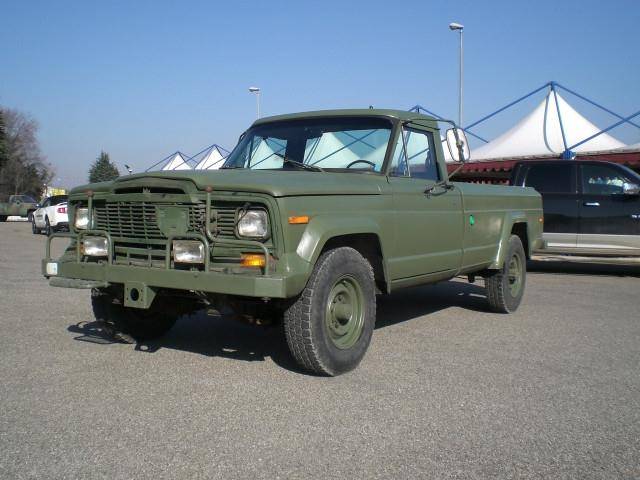
1981 | Mitsubishi Jeep J27
1981 JEEP J 20 PICK UP MILITARY mod. 9712A - 5900 V8 - AUTOMATICO - 4X4

Create search alert
Let yourself be notified as soon as a listing is published that matches your search filters.
Create listing
Do you have a Mitsubishi Jeep that you want to sell? Then create a listing now.
Create listingMitsubishi Jeep Classic Cars: Prices & Market Values
Introduction and History of the Mitsubishi Jeep
The Mitsubishi Jeep traces its roots to the original Willys 'Universal Jeep', the first-ever mass-produced civilian four-wheel-drive vehicle, introduced in 1945. Following World War II, Jeep's reputation for rugged utility quickly garnered global interest. Mitsubishi began producing Jeeps under licence from Willys in the early 1950s, initially catering to both military and civilian markets in Japan. Over the years, Mitsubishi evolved the design, introducing improvements suited for local conditions, thus shaping a unique lineage within the global Jeep story.
Model History
The Mitsubishi Jeep range began with close adherence to the Willys design, gradually incorporating local engineering developments. The primary model numbers—such as J3, J4, J5, and J20 series—denote major updates or changes in engine and body configurations. Early models mirrored their American counterparts, but later versions featured diesel engines and right-hand drive layouts, reflecting Japanese regulatory requirements and market preferences. Production continued until 1998, long after the end of the American CJ series, reflecting the sustained Japanese demand for trusted, classic off-roaders.
Highlights of the Mitsubishi Jeep
Distinctive for its direct connection to the Willys Jeep platform, the Mitsubishi Jeep stands out with its no-nonsense, functional design. Diesel engine options, right-hand drive, and local customisations differentiate it from other classic Jeeps. Designed for endurance, many examples remain in working condition in rural Japan. All Mitsubishi classic Jeep listings account for 100% of Mitsubishi's classic supply and demand on Classic Trader, underlining the model's significance and unique position within Mitsubishi's classic vehicle catalogue.
Technical Data
Special Editions and Collectible Models
Several special versions were available, mainly for commercial or governmental use, such as fire trucks or rural service vehicles. Some rare export models were fitted with distinctive accessories or bodywork, but true 'factory limited editions' are rare. Collectors sometimes seek out diesel-powered J-Series models due to their robustness and longevity.
Weak Spots and Common Issues
Due to their utilitarian construction, Mitsubishi Jeeps are generally robust. However, typical issues include rust in older bodywork (especially earlier, less-galvanised examples), wear in suspension bushings, and oil leaks from ageing seals. Canvas roofs and soft-top hardware may show wear from decades of use. Parts availability for body components can be limited outside Japan, but many driveline components share compatibility with other period off-road vehicles.
Engine and Performance, Transmission and Handling
Mitsubishi Jeeps offer simple and easily serviceable mechanicals, prioritising reliability over outright speed. Petrol engines deliver dependable, if not brisk, performance, whereas the diesels are prized for low-end torque and longevity. Off-road capability is significant, with robust axles, mechanical 4WD, and a short wheelbase contributing to stability and manoeuvrability on rough terrain. High ground clearance and minimal body overhangs make the Mitsubishi Jeep a favourite among enthusiasts who value trail ability over road comfort. The J3 and J20 series are worth highlighting, with various body styles and comprehensive updates across production years. Diesel-powered variants, in particular, command attention for their combination of usability and classic robustness.
Interior, Comfort, Exterior and Design
The Mitsubishi Jeep remains austere inside, with easily washable surfaces, basic vinyl upholstery, and limited electrical features—underscoring its utilitarian role. Exterior paint colours are typically muted greens, greys, or military hues, though some Japanese domestic models saw fleet-specific paint. The spartan instrument panels, exposed rivets, and removable doors are all hallmarks of the classic off-road ethos. Options included hardtop conversions, auxiliary lighting, and factory tow hitches. Few luxury features were available, reinforcing the Jeep's no-frills character.
Other Features
Exported Mitsubishi Jeeps occasionally featured local adaptations—such as metric instrumentation or heaters for colder climates. Japanese domestic models might include regional accessories, like snow chains or unique roof racks, particularly for use in rural or mountainous areas.
Summary
The Mitsubishi Jeep blends an American off-road legend's DNA with Japanese engineering and practical adaptation. It is the reference point for classic Mitsubishi 4x4s, offering proven mechanicals, enduring construction, and a distinctive ownership experience. Its singular presence in the classic Mitsubishi market speaks to a loyal niche of enthusiasts, making any Mitsubishi Jeep a purposeful and genuine classic for sale.