Mitchell Model F classic cars for sale
The Mitchell Model F stands as an early representation of innovation among American automobiles, offering engineering and design traits that highlight the formative era of motoring. With its distinct technical approach and limited survivor numbers, the Model F draws the attention of seasoned collectors and those seeking to diversify their vintage car portfolio.
Suchergebnisse
Zur Zeit sind keine passenden Inserate zu Ihrer Suche veröffentlicht.
Create search alert
Let yourself be notified as soon as a listing is published that matches your search filters.
Create listing
Do you have a Mitchell Model F that you want to sell? Then create a listing now.
Create listingMitchell Model F listing references from Classic Trader
Below you will find listings related to your search that are no longer available on Classic Trader. Use this information to gain insight into availability, value trends, and current pricing for a "Mitchell Model F" to make a more informed purchasing decision.
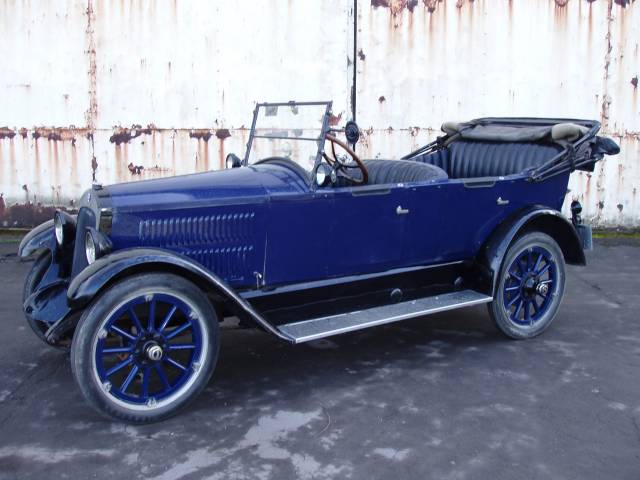
1920 | Mitchell Model F-40
Create search alert
Let yourself be notified as soon as a listing is published that matches your search filters.
Create listing
Do you have a Mitchell Model F that you want to sell? Then create a listing now.
Create listingMitchell Model F Classic Cars: Prices & Market Values
Introduction and history of the Mitchell Model F
The Mitchell Model F was produced by the Mitchell Motor Car Company—an American manufacturer active in the brass era, best known for its pioneering involvement in early automobile development. Built in Racine, Wisconsin, in the early 1900s, the Model F typified the transitional phase from carriage-based vehicles to self-propelled automobiles. It featured technical solutions that were advanced for its time, contributing to the gradual establishment of more reliable motorcars in the US market. This era represented a period when the American motor industry was rapidly shifting from handcrafted coachwork to more serial production methods, and the Mitchell Model F reflected this evolution with robust engineering and significant road presence.
Model history
The Model F forms part of Mitchell’s broader Model Series, occupying a position within the brand's early technological lineage. It followed designs rooted in the first iterations of the company’s automobiles and led into the subsequent models that expanded on mechanical reliability and luxury. The Model F is often regarded as a stepping stone from the earlier Mitchell offerings—transitioning from motorised carriages into recognisable motorcars with improved engines, chassis, and comfort. The successors to the Model F adopted more refined engines and chassis innovations, following the rapidly shifting trends of the 1910s automotive landscape.
Highlights of the Mitchell Model F
The Mitchell Model F distinguished itself with its period-specific engine layout and construction solidity. Early examples featured four-cylinder engines, notable for smooth running and advanced oiling systems for their era. Detailed attention to chassis rigidity, braking systems, and comfort set the vehicle apart from many contemporaries. Surviving examples are rare, adding to the Model F's allure among enthusiasts focused on the development timeline of American cars. The Model F’s presence at classic car shows often sparks discussion of its technical solutions, such as its transmission setup and the thoughtfully engineered ride quality, despite period limitations.
Technical data
Special Editions and Collectible Models
Information on factory-designated special editions of the Mitchell Model F is limited, owing to the era’s practice of semi-custom builds rather than official limited editions. However, certain Model Fs ordered with bespoke coachwork or rare period accessories, such as early electric lighting systems or unusual luxury interiors, are today considered highly collectible within brass era circles.
Weak Spots and Common Issues
No specific issues unique to the Mitchell Model F are listed, which likely reflects its rarity and the challenges of compiling service data from vehicles now over a century old. Routine mechanical wear, age-related fatigue of structural materials, and the need to maintain archaic technologies (such as magneto ignition and non-synchronised manual transmissions) require specialist knowledge and diligence. Sourcing engine or driveline components may pose challenges, necessitating custom fabrication or parts-hunting among dedicated historic vehicle networks.
Engine and Performance, Transmission and Handling
Performance characteristics of the Mitchell Model F reflect early motoring’s priorities: reliability and practicality over outright speed. The four-cylinder engine, though simple by today’s standards, was engineered for tractable power and ease of use, matched to a robust manual transmission. Handling remains entirely in the realm of the pre-war driving experience: substantial steering effort, modest cornering stability, and mechanical brakes that require foresight and mechanical sympathy. Long-distance touring is feasible but best suited for gentle, unhurried motoring on period-appropriate routes. Mitchell’s range at the time included several models with similar mechanical underpinnings; however, the Model F stands out for its combination of advanced chassis engineering and overall build quality, placing it at the upper end of pre-1910 American motoring.
Interior, Comfort, Exterior and design
The Mitchell Model F is distinguished by its tall, upright coachwork, brass fittings, and signature period flourishes. Interior appointments tended towards diamond-buttoned leather bench seating, wood-rimmed steering wheels, and elegant wood or brass trim. Exteriors generally featured open touring bodies with folding roofs; paint finishes ranged from conservative blacks and maroons to bespoke customer-chosen colours. Accessories such as acetylene headlamps, nickel-plated hardware, and elaborate external spare wheel carriers underscored the model’s attention to period detail. Unlike later cars, most Model Fs allowed their owners to select from a range of options for materials and auxiliary equipment at purchase.
Other relevant features
The Mitchell Model F often served as a foundation for light commercial conversions, reflective of the flexible coachbuilding practices of the period. Surviving vehicles may therefore show variances in features or even basic specification, depending on initial use or customer order. Documentation and provenance research are essential for understanding each example’s originality and historical value.
Summary
The Mitchell Model F remains a significant example of pre-WWI American motoring—rare in the collector landscape and technically innovative for its time. Interest from collectors remains steady for well-preserved or correctly restored examples, and the car’s participation in historic motoring events continues to illuminate its relevance to the brass era movement.