Mitchell Model E classic cars for sale
With the Mitchell Model E, automotive fans encounter an authentic relic from the early years of motoring. This historical vehicle stands for pioneering technology and robust design from a period when American car manufacturing was on the rise. The Model E is especially sought after by enthusiasts who value genuine veteran engineering and the rare craftsmanship of brass-era cars.
Search results
Currently, there are no matching listings for your search.
Create search alert
Let yourself be notified as soon as a listing is published that matches your search filters.
Create listing
Do you have a Mitchell Model E that you want to sell? Then create a listing now.
Create listingMitchell Model E listing references from Classic Trader
Below you will find listings related to your search that are no longer available on Classic Trader. Use this information to gain insight into availability, value trends, and current pricing for a "Mitchell Model E" to make a more informed purchasing decision.
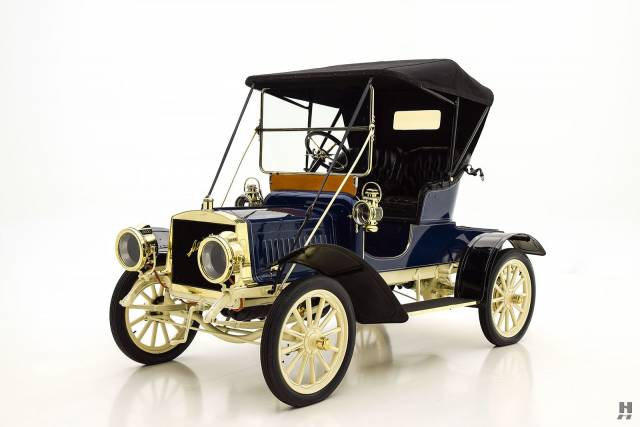
1907 | Mitchell Model E
Mitchell Model E
Create search alert
Let yourself be notified as soon as a listing is published that matches your search filters.
Create listing
Do you have a Mitchell Model E that you want to sell? Then create a listing now.
Create listingMitchell Model E Classic Cars: Prices & Market Values
History of the Mitchell Model E
The Mitchell Model E represents a chapter in the ambitious history of the Mitchell Motor Car Company, a manufacturer active in Racine, Wisconsin, at the turn of the 20th century. The brand played a significant role in shaping the emerging American automobile industry. Produced in an era characterised by rapid advances, the Model E was notable for its solid construction and reliable performance. Mitchell, founded originally as a wagon builder, transitioned to automobiles, producing distinctive vehicles that reflected the innovation spirit of the Brass Era. The Model E embodies the transition from horse-drawn vehicles to self-propelled automobiles and is a testament to the company’s craftsmanship and willingness to adopt advanced engineering for its time.
Model History of the Mitchell Model E
As part of Mitchell's early line-up, the Model E contributed to the manufacturer's reputation for durability and forward-thinking technology. Preceded by even more basic models and followed by increasingly refined touring cars, the Model E is distinguished by its balance between simplicity and reliability. The model series saw evolutionary technical improvements, setting the stage for the larger and more powerful models that followed. While Mitchell automobiles eventually ceased production, surviving examples like the Model E have become increasingly rare on the collector’s market.
Highlights of the Mitchell Model E
The Mitchell Model E impresses with its authentic early-car mechanical layout, sturdy chassis and rare period detailing such as brass fittings and original controls. Its design echoes the transitional phase between Victorian carriages and true motorcars. Notable is the uncompromising engineering approach geared towards reliability and mechanical purity. Within the context of Mitchell’s output, Model E listings currently represent a fraction of the company's classic cars on the market, underlining its rarity in comparison to higher-volume models from the brand.
Technical Data of the Mitchell Model E
Special Editions and Collectible Models
There are no documented special editions of the Mitchell Model E, given its early production period and the prevailing manufacturing practices of the era. Each surviving Model E is unique, often featuring individual craftsmanship reflective of the factory’s flexibility and period-specific sourcing.
Weak Spots and Common Issues
Due to lack of specific data, common issues for the Mitchell Model E are deduced from standard challenges in brass-era vehicles: aging lubrication systems, potential brittle metal components, difficulties sourcing period-correct replacement parts, and sensitivity of wooden body and chassis elements to humidity. Careful inspection of drivetrain, mechanical brakes, and preserved original fittings is advised. Professional restoration or maintenance expertise in pre-WWI cars is highly recommended.
Engine and Performance, Transmission and Handling
The Mitchell Model E delivers performance by the standards of its era—suitable for moderate speeds and local touring. Equipped with a manually shifted gearbox, it requires familiarity with unsynchronised transmissions and period clutching techniques. The suspension is simple yet adequate for early road conditions, resulting in a firm but manageable ride. Steering and braking performance reflect the technological limitations of the 1910s, and drivers appreciate the hands-on driving experience typical for the dawn of the automobile. Notable among vehicles from the Brass Era, the Mitchell Model E is best appreciated alongside other pre-war tourers such as contemporaneous Cadillac Model Thirty or the Buick Model 10. Each example on the market demands meticulous care and attention to originality.
Interior, Comfort, Exterior and Design
The design language of the Mitchell Model E is defined by upright bodywork, brass fixtures, spoked wooden wheels, and open touring car configurations. Interiors were basic but painstakingly constructed from leather, wood, and metal. Special equipment was typically bespoke, ranging from optional convertible tops to period-specific lighting solutions. Surviving accessories may include hand-crank starters or original tool kits, enhancing the historic authenticity of the vehicle.
Other Information
Given its early year of origin, every Mitchell Model E carries mechanical and historical peculiarities that require specialist knowledge for restoration or operation. It is advisable to join classic car clubs or consult marque experts for sourcing critical spares or accurate documentation.
Summary
The Mitchell Model E is a representative of America’s formative years in automobile manufacturing, appealing primarily to collectors and enthusiasts with a passion for early mechanical engineering. Its rarity, combined with the challenges and rewards of pre-war vehicle ownership, make it a noteworthy proposition for dedicated classic car aficionados searching for originality and historical value.