Mercury Zephyr classic cars for sale
The Mercury Zephyr, produced from 1978 to 1983, represents Mercury's compact alternative of its era, sharing its architecture with the Ford Fairmont. Available as a sedan, coupé, and estate, the Zephyr's balanced combination of practicality and straightforward engineering makes it a rare find among enthusiasts of late-1970s and early-1980s American vehicles.
Search results
Currently, there are no matching listings for your search.
Create search alert
Let yourself be notified as soon as a listing is published that matches your search filters.
Create listing
Do you have a Mercury Zephyr that you want to sell? Then create a listing now.
Create listingMercury Zephyr listing references from Classic Trader
Below you will find listings related to your search that are no longer available on Classic Trader. Use this information to gain insight into availability, value trends, and current pricing for a "Mercury Zephyr" to make a more informed purchasing decision.
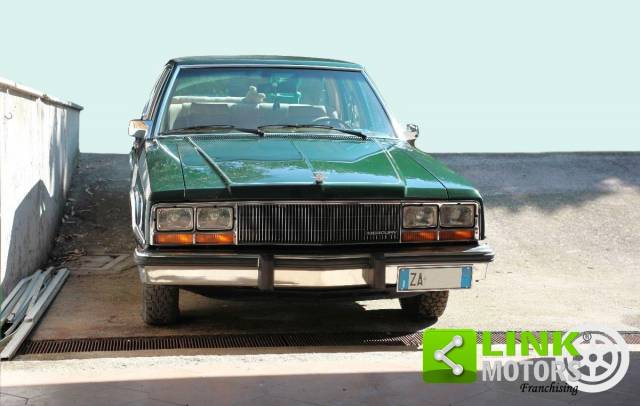
1980 | Mercury Zephyr 4.2
FORD - Mercury Zephyr 4.2cc - Automatica. epoca ASI Targa ORO.

Create search alert
Let yourself be notified as soon as a listing is published that matches your search filters.
Create listing
Do you have a Mercury Zephyr that you want to sell? Then create a listing now.
Create listingMercury Zephyr Classic Cars: Prices & Market Values
History of the Mercury Zephyr
Introduced by Mercury for the 1978 model year, the Zephyr was conceived as the divisional counterpart to the Ford Fairmont. Its launch coincided with changing needs in North America, where fuel economy and compact dimensions became increasingly important. Unlike its predecessor, the Mercury Comet, the Zephyr adopted a more angular, modern design and diversified its body styles to include two- and four-door saloons, coupés, and five-door estates. The Zephyr carried the role of a no-nonsense family car, filling the gap between the smaller Ford Pinto and the larger Ford Granada in Mercury's North American line-up.
Model History of the Zephyr
The Zephyr succeeded the Mercury Comet in Mercury’s portfolio and shared nearly all its underpinnings with the Ford Fairmont. Both were built on Ford's Fox platform, which became highly influential for various models, including the Mustang and LTD. Zephyr's production spanned until 1983, after which Mercury phased it out in favour of models like the Topaz, reflecting technological advancements and changing market trends during the early 1980s in the US automotive sector.
Highlights of the Mercury Zephyr
A standout feature of the Zephyr is its extensive body variant choice—two-door notchback saloon, coupé, four-door saloon, and five-door estate—unusual for Mercury at the time. Its Fox platform made the Zephyr lighter and more agile than previous Mercury compact models, benefiting handling and fuel efficiency. The Zephyr further stood apart with its straightforward engineering and affordable maintenance.
Technical Data
Special Editions and Collectible Models
While the Zephyr did not see a wide array of factory-tuned special editions, certain trim levels and engine options, particularly the V8-powered versions, are keenly watched by performance enthusiasts who value the car’s Fox chassis versatility for modification. No formal collectible or limited-edition factory models are known within the Zephyr series.
Engine and Performance, Transmission and Handling
Equipped based on trim with either an inline-four, inline-six, or a venerable 5.0-litre V8, the Mercury Zephyr's performance is dependent on the selected drivetrain. The Fox platform, renowned for its modularity and adaptability, provided a solid foundation for balanced handling, especially for a domestic compact of the late 1970s. Transmission choices included both manual and automatic, contributing to a wide range of driving experiences, from economical commuting to mild enthusiast driving. The V8-powered Zephyr is particularly favoured among those interested in the Fox-body’s modification potential since the platform’s lightweight chassis allows for extensive upgrades. Enthusiasts often seek these versions due to their shared components with higher-performance Fox chassis models.
Interior, Comfort, Exterior and Design
The Zephyr’s design was marked by clean lines and restrained ornamentation, reflective of the late-1970s push for efficiency and modernity. Interior appointments depended on specification—later models offered more refined upholstery optional amenities. The estate version enjoyed a measure of practicality uncommon in its American compact segment. Notable exterior elements include slim chrome bumpers and signature Mercury grilles, with period colour selections and upholstery options. Optional extras over the years included air conditioning, cruise control, and premium sound systems.
Summary
The Mercury Zephyr, produced from 1978 to 1983, stands as a hallmark of Mercury’s focus on practical, straightforward engineering during a period of shifting automotive priorities in North America. Built on the adaptable Fox platform and available in a wide range of body styles and engines, the Zephyr today enjoys a unique position among classic Mercury offerings, representing both the versatility and ingenuity of late-1970s and early-1980s American car production.