Mercury Montego classic cars for sale
The Mercury Montego combined American luxury with muscle car engineering, offering a diverse model range from saloons and estates to coupes and convertibles. Its technical variety, including powerful six-cylinder and V8 engines, made the Montego a standout choice for enthusiasts seeking both comfort and performance in a classic package. The Montego series remains a uniquely recognisable example of Mercury’s drive to blend elegance and power in the golden era of US car manufacturing.
Zoekresultaten
Op dit moment zijn er geen overeenkomende advertenties voor uw zoekopdracht.
Maak een zoekwaarschuwing aan
Laat het u weten zodra er een advertentie wordt geplaatst die overeenkomt met uw zoekfilters.
Maak een advertentie aan
Heeft u een Mercury Montego die u wilt verkopen? Maak dan nu een advertentie aan.
Maak een advertentie aanMercury Montego listing references from Classic Trader
Below you will find listings related to your search that are no longer available on Classic Trader. Use this information to gain insight into availability, value trends, and current pricing for a "Mercury Montego" to make a more informed purchasing decision.
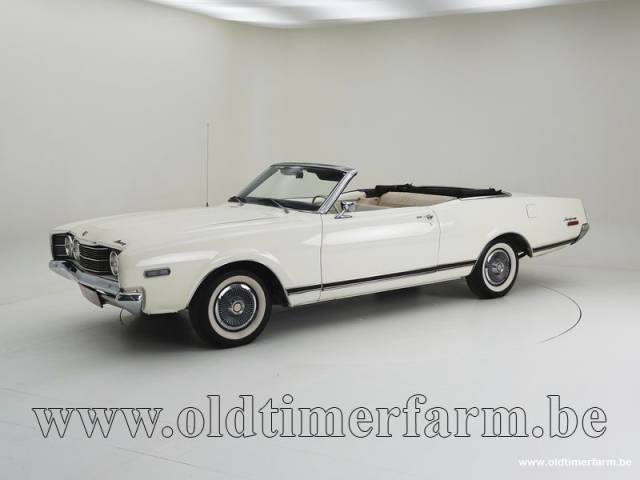
1968 | Mercury Montego
1968 Mercury Montego '68

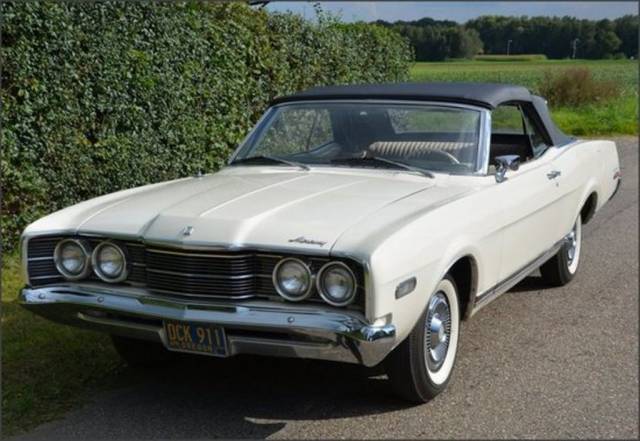
1968 | Mercury Montego
Mercury Montego Convertible

Maak een zoekwaarschuwing aan
Laat het u weten zodra er een advertentie wordt geplaatst die overeenkomt met uw zoekfilters.
Maak een advertentie aan
Heeft u een Mercury Montego die u wilt verkopen? Maak dan nu een advertentie aan.
Maak een advertentie aanMercury Montego Oldtimer: Prijzen & Marktwaarden
History of the Mercury Montego
The Mercury Montego, introduced in 1967 (Canada) and widely in 1968 across North America, took its name from Montego Bay, reflecting the American fascination with exotic branding. Initially part of the Meteor line, the Montego quickly established its own identity as Mercury’s response to the Ford Torino. Developed to offer a step up in luxury from the Mercury Comet, the Montego presented a marked shift towards more sophisticated comfort and higher performance. By drawing heavily from the Torino platform yet infusing Mercury’s own approach to ride quality and trim, the Montego catered to drivers who wanted more than what Ford’s mainline models could provide during the late 1960s and 1970s.
Model history
Across its production run, the Mercury Montego saw three generations. The debut model in 1968 replaced the Comet, showcasing a clear move from 'compact' to 'mid-size'. Available as a saloon, estate, coupe, and convertible, it offered both base and MX trims, with MX signifying a sportier angle. The series expanded further in 1969 with the introduction of the MX Brougham—an even more refined variant—and saw the estate model get simulated wood panelling in 1970. The second generation, completely reengineered in 1972 to adopt a body-on-frame construction, triggered a significant sales uptick, especially for MX Brougham versions. However, the rise of the Cougar and changes in the market due to the oil crisis led to dwindling sales, and production of the Montego ceased in 1976, making way for the Cougar as Mercury’s new mid-size offering.
Highlights and special features of the Mercury Montego
The Mercury Montego is notable for the sheer breadth of its body styles—four-door saloon, estate, two-door coupe, and convertible. Its drivetrain options span rear-wheel drive inline sixes and a variety of V8s, even up to a 7.5-litre powerhouse, catering to the American love for high displacement. The MX trim offered enhanced sporting character, while the MX Brougham delivered increased luxury. The simulated wood-clad estate model captured the spirit of US family travel in the 1970s. Sales statistics from our database show that classic Mercury Montego models constitute 100% of the Mercury listings and attract all interest for Mercury, highlighting their significant standing in the classic Mercury market segment.
Technical data for the Mercury Montego
Special Editions and Collectible Models
Special attention is warranted for the MX Brougham, introduced as a more luxurious and well-appointed trim, particularly the four-door variant which saw a 1,000% sales boost in its second generation. The estate with simulated wood panelling, launched in 1970, plus rare coupe and convertible configurations, stand out as particularly collectible among the Montego family.
Weak Spots and Common Issues
Available documentation does not highlight specific recurring weaknesses for the Montego series. As with many classics, attention should be given to rust in structural areas and condition of trim and unique estate body panels, especially for simulated wood variants. Powertrain components are durable but routine inspection of transmission and suspension parts is advised due to the age of these vehicles.
Engine and Performance, Transmission and Handling
The Mercury Montego provided a spectrum of powertrains, from efficient six-cylinders to large V8s, meeting both everyday usability and high performance needs of the period. The second generation’s switch to a separate chassis considerably improved ride comfort and durability, translating to substantial sales growth. Automatic and manual gearboxes were available throughout the series, allowing buyers to prioritise comfort or driver engagement. Handling characteristics were typical for mid-size American vehicles of the 1970s: stable on the motorway, with a suspension setup designed for road comfort rather than sportiness. - Montego MX Brougham (four-door, 2nd gen): Notably popular, accounting for over 1,000% sales growth post-1972 facelift.
- Montego Estate with simulated wood (1970): Captures the period’s design and family utility sensibility.
- V8-equipped models (up to 7.5 litres): Favoured for those interested in American muscle with Mercury refinement.
Interior, Comfort, Exterior and design
The Montego drew inspiration from the Torino but introduced Mercury’s signature accents in terms of trim, upholstery, and design details. Notable features included the use of high-quality materials in MX Brougham interiors, available two-tone and special colours, and the distinctive simulated wood panelling for estates. The coupe and convertible models offered a more personal, sport-touring atmosphere, while estate models equipped families for travel. Factory options included air conditioning, premium sound, and decorative wheel covers, depending on year and market. Mercury’s use of chrome accents and the adoption of subtle body lines distinguished the Montego visually from its Ford relatives.
Other relevant features
The Mercury Montego occupied a pivotal role in Mercury’s mid-size lineup, especially as a bridge between the earlier Comet and the later Cougar. Its broad offering of models and trim levels allowed it to serve as both a comfortable everyday vehicle and a collector's curiosity, depending on specification.
Summary
The Mercury Montego stands out as a testament to Mercury’s pursuit of luxury and performance within the mid-size American car market. Its wide variety of models, powerful engine options, and distinct luxury trims secured it a prominent place in mid-20th century automotive history. With all current supply and demand for classic Mercurys centring on the Montego, it remains a focal point for those interested in authentic American classic cars distinguished by their comfort, performance, and period-correct design.