Mercury Lynx classic cars for sale
The Mercury Lynx stands as an American answer to practical, fuel-efficient commuting during the 1980s. Closely related to the Ford Escort, the Lynx distinguished itself in the Mercury line-up with its accessible entry into compact car ownership and reliable engineering. Its rarity today makes any appearance in the classic market notable.
Search results
Currently, there are no matching listings for your search.
Create search alert
Let yourself be notified as soon as a listing is published that matches your search filters.
Create listing
Do you have a Mercury Lynx that you want to sell? Then create a listing now.
Create listingMercury Lynx listing references from Classic Trader
Below you will find listings related to your search that are no longer available on Classic Trader. Use this information to gain insight into availability, value trends, and current pricing for a "Mercury Lynx" to make a more informed purchasing decision.
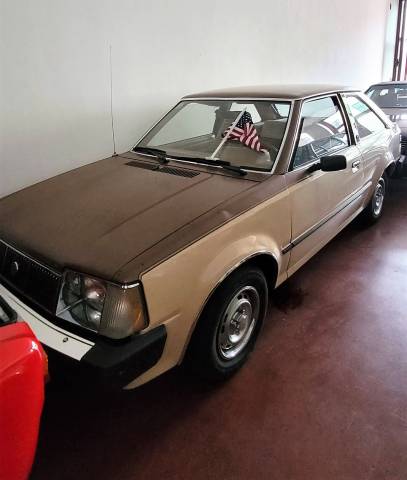
1983 | Mercury Lynx
MERCURY LINX

Create search alert
Let yourself be notified as soon as a listing is published that matches your search filters.
Create listing
Do you have a Mercury Lynx that you want to sell? Then create a listing now.
Create listingMercury Lynx Classic Cars: Prices & Market Values
History of the Mercury Lynx
Introduced in the early 1980s, the Mercury Lynx was Mercury's badge-engineered version of the Ford Escort designed for North America. Launched as a response to increasing fuel prices and the demand for smaller vehicles, the Lynx formed a cornerstone of the brand’s move into front-wheel drive layouts. The model helped cement Mercury's role as Ford’s mid-tier marque offering slightly upscale variations on Ford platforms. The Lynx played a key role in introducing a new generation of drivers to the Mercury brand, thanks to its affordability and adaptability.
Model History
The Mercury Lynx was directly based on the North American Ford Escort, mirroring technical advancements and facelifts. As the Ford Pinto's successor, the Lynx shifted from rear-wheel to front-wheel drive, following Ford’s global trends in compact car design. Production covered most of the 1980s, with multiple body styles including hatchback and wagon options. Its place in the Mercury portfolio was succeeded by later compact and subcompact models as market demands evolved.
Highlights and Market Share
The Lynx carved out recognition as the most prevalent classic Mercury model of its generation, with a fully 100% representation in both supply and interest for Mercury Lynx classics in today’s listings. This reflects both the niche nature of the model and the rarity with which Lynch vehicles are preserved and appear on the collector market.
Technical Data
Special Editions and Collectible Models
While most Lynx models were built for affordable transportation, periodic trim packages featured cosmetic upgrades or revised interior specifications, aligning with Mercury’s tradition of elevating standard Ford platforms. Limited editions may include special colour schemes or badges but there is little evidence of widely recognised collector editions beyond these feature packages.
Weak Spots and Common Issues
As with many cars from this era, rust in structural body panels is a common concern, especially in northern or coastal climates. Age-related issues like brittle interior plastics and fatigue on drivetrain rubber components can also be expected. The relatively simple engineering of the Lynx, however, makes it accessible for mechanical work and sourcing consumables remains feasible.
Engine and Performance, Transmission and Handling
The Mercury Lynx featured modest four-cylinder engines, typically in the sub-2-litre range, making it economical but never designed for high speed or rapid acceleration. Handling prioritised easy manoeuvrability for urban use rather than spirited driving. The transition to front-wheel drive offered improved traction over its predecessor, the Pinto, particularly in poor weather. Hatchback and wagon variants, equipped with either standard manual transmission or optional automatics, form the core of classic Mercury Lynx interest today. The simple SOHC engines remain accessible for enthusiasts looking for a straightforward, easy-to-run classic.
Interior, Comfort, Exterior and Design
The Mercury Lynx’s exterior was marked by restrained, angular lines typical of early 1980s American compacts. Interiors aimed for minimalism with vinyl and cloth finishes, and instrumentation prioritising function over flair. Dealer-option packages sometimes included two-tone paint, accent stripes, or other light touches of Mercury distinction. Factory options included air conditioning, upgraded stereos, and lightweight alloy wheels on higher trims.
Other Notable Features
Lynx models stand out for their mix of day-to-day practicality and easy customisability—both during their era and today, thanks to the large interchangeability of parts with Ford Escort models. For enthusiasts, the Lynx offers an accessible entry point into American classic car ownership.
Summary
The Mercury Lynx symbolises a transitional period in American motoring, where practicality, fuel economy, and simple engineering defined the segment. For collectors and enthusiasts seeking an unusual but highly accessible classic, the Lynx presents both value and intrigue because of its close ties to Ford engineering and distinct Mercury identity.