Mercury Capri classic cars for sale
The Mercury Capri stands out as a distinctive American coupe offered by Lincoln-Mercury from 1970 to 1994, built to bring European-inspired styling and handling to the US market. Across three generations, the Capri combined unique design cues with dynamic driving characteristics, making it a notable alternative to Ford’s Mustang and European coupés.
Search results
Currently, there are no matching listings for your search.
Create search alert
Let yourself be notified as soon as a listing is published that matches your search filters.
Create listing
Do you have a Mercury Capri that you want to sell? Then create a listing now.
Create listingMercury Capri listing references from Classic Trader
Below you will find listings related to your search that are no longer available on Classic Trader. Use this information to gain insight into availability, value trends, and current pricing for a "Mercury Capri" to make a more informed purchasing decision.
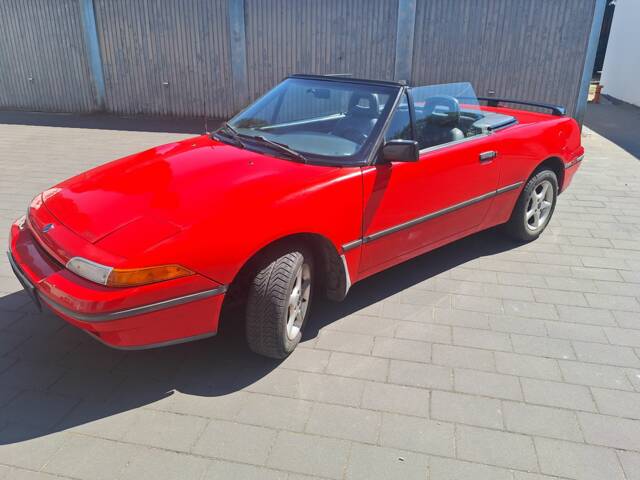
1991 | Mercury Capri XR2
Mercury Capri | 1991 | Route 66 Auctions - For sale by auction. Estimate 2500 EUR

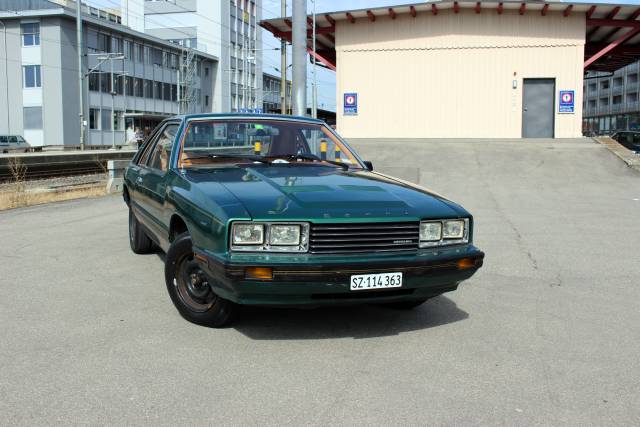
1979 | Mercury Capri
Sehr seltener Mercury Capri

Create search alert
Let yourself be notified as soon as a listing is published that matches your search filters.
Create listing
Do you have a Mercury Capri that you want to sell? Then create a listing now.
Create listingMercury Capri Classic Cars: Prices & Market Values
History of the Mercury Capri
The Mercury Capri debuted in 1970 under the Lincoln-Mercury banner and was sold in the US market across three main generations. Unlike many other Mercury models, the early Capri was designed to serve as a sportier European-flavoured coupe. The first generation was actually a rebadged Ford Capri, built in Europe and imported to North America, offering an alternative to domestic muscle cars with smaller engines and lighter construction. Over the years, the Capri adapted to changing market demands. In its second generation, Mercury focused on giving the Capri a sharper, more aerodynamic look, while still retaining its sporty essence. The third (and final) generation, spanning from the early '90s, was a convertible assembled in Australia, introducing front-wheel drive and competing directly with other compact roadsters of the era.
Model History
The Mercury Capri lineage comprises three distinct generations. The first (1970–1977) was closely tied to the European Ford Capri, imported from Germany, initially offered as a coupe with a range of inline-four and V6 engines. After a brief pause, the nameplate returned in 1979 as a counterpart to the Fox-body Ford Mustang, sharing the same underpinnings but featuring model-specific body styling and options until 1986. The final Mercury Capri (1991–1994) was developed by Ford Australia and built as a front-wheel-drive convertible, aiming to appeal to buyers seeking a fun, affordable open-top experience. No direct American predecessor or successor followed the Capri line—the uniqueness of the series lies in its changing identity and market role with each generation.
Highlights of the Mercury Capri
Distinct for its blend of American and European influences, the Mercury Capri represents a range of coupés and convertibles that prioritised agility over sheer power. Early Capris offered nimble handling and a compact form, while later models, notably the Fox-body, gave enthusiast drivers various engine choices and body styles. The last generation marked Mercury’s foray into affordable convertibles.
Technical Data
Special Editions and Collectible Models
Throughout its history, the Capri was available in several special trims. The Fox-body Capri RS stands out for its high-output V8 engine and distinctive “bubble-back” rear glass. The final generation XR2, offered with a turbocharged engine and upgraded suspension, is noted for its enhanced performance and exclusivity within the convertible line.
Weak Spots and Common Issues
With age, typical Capri concerns include corrosion on early European-built bodies, especially in wheel arches and floor pans. Fox-body Capris may face wear on drivetrain components, electrical gremlins, or ageing interior plastics. The Australian convertibles can have issues with soft-top mechanisms and electrical systems, so careful inspection of these areas is recommended.
Engine and Performance, Transmission and Handling
Driving a Capri provides a surprisingly engaging experience, especially with the lighter, earlier models offering precise steering and a balanced chassis compared to American contemporaries. Fox-body Capris bring muscular options to the table, especially in the V8-powered RS models, while the convertible era focuses on lightness and open-air motoring. - Capri RS (Fox-body, 5.0-litre V8): Sought after for its performance and unique rear design.
- Capri XR2 (Australian convertible): Turbocharged Mazda engine provides spirited acceleration.
- Early 2.8-litre V6 models (German-built): Blends European poise with sufficient performance for enthusiasts.
Interior, Comfort, Exterior and Design
Capris consistently reflect the design language of their respective eras. Early models feature sharp lines, minimalist dashboards, and European seat designs. Fox-body Capris introduce more American appointments, including sport seats and aggressive bodywork with unique nose and tail treatments. The third-generation convertible models incorporate pop-up headlights, compact dimensions, and functional interiors tailored for everyday use. Options through the range include sunroofs, Recaro seats, unique alloy wheels, and, in some special editions, period-correct graphics or accent packages.
Other Relevant Features
Throughout its production life, the Capri regularly offered a broader colour palette and dealer-fitted accessories compared to its rivals. Aftermarket support exists especially for Fox-body cars, making upgrades and maintenance accessible for enthusiasts.
Summary
The Mercury Capri traverses a fascinating three-generation story, from German-imported coupes to American muscle-influenced fastbacks, and finally to Australian-built convertibles. Its combination of distinctive style, diverse engine options, and evolving driving dynamics ensures that every Capri offers something unique for classic car enthusiasts searching for an American car with a twist.