Mercedes 28/95 HP classic cars for sale
The Mercedes 28/95 HP, produced between 1914 and 1924, stands as a technological milestone in early automotive engineering. Built with a 7.2-litre six-cylinder engine based on an aircraft design, the 28/95 HP bridges racing technology and luxury motoring—its design elements like the pointed radiator and external exhaust define the era's top-tier Mercedes models.
Search results
Currently, there are no matching listings for your search.
Create search alert
Let yourself be notified as soon as a listing is published that matches your search filters.
Create listing
Do you have a Mercedes 28/95 HP that you want to sell? Then create a listing now.
Create listingMercedes 28/95 HP listing references from Classic Trader
Below you will find listings related to your search that are no longer available on Classic Trader. Use this information to gain insight into availability, value trends, and current pricing for a "Mercedes 28/95 HP" to make a more informed purchasing decision.
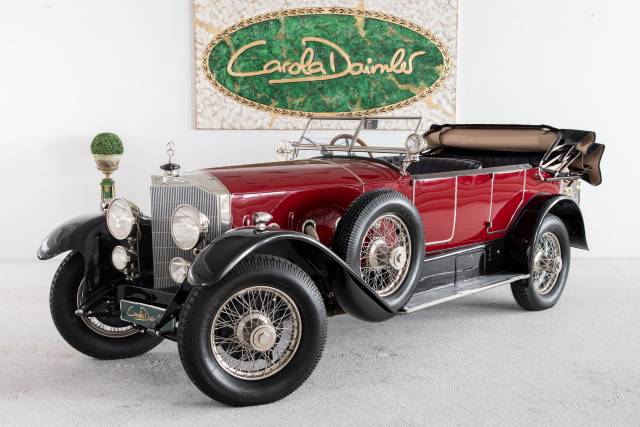
1924 | Mercedes 28/95 HP
MATCHING NUMBERS | MERCEDES-BENZ CERTIFICATE | FIRST-CLASS RESTORATION
Create search alert
Let yourself be notified as soon as a listing is published that matches your search filters.
Create listing
Do you have a Mercedes 28/95 HP that you want to sell? Then create a listing now.
Create listingMercedes 28/95 HP Classic Cars: Prices & Market Values
History of the Mercedes 28/95 HP
The Mercedes 28/95 HP entered production in 1914 as one of DMG’s (Daimler Motoren Gesellschaft) most powerful and prestigious offerings. Output was interrupted by the First World War after just 25 examples were built, before resuming in 1920 with gradual mechanical refinements. The model’s standout character, shaped by the signature pointed radiator and external exhaust pipes, established an aesthetic that would influence luxury Mercedes and Mercedes-Benz models for decades. Initially a technological flagbearer rather than a mere ceremonial car, the 28/95 HP proved pivotal in the evolution of sporty, high-performance vehicles at Mercedes.
Model History
Preceded by the Type 37/90 PS (introduced in 1911), the 28/95 HP continued a line of large, technically advanced six-cylinder models from Mercedes. Over its lifespan, production totalled about 600 units up until 1924. The Mercedes 28/95 HP had lasting impact, influencing subsequent icons such as the Mercedes K Type, S, SS, SSK, and SSKL, as well as the notable compressor-engined 500 K and 540 K. In 1921, the Sport-Phaeton version debuted with a shortened wheelbase and ground-breaking four-wheel brakes, a first for Mercedes.
Highlights and Noteworthy Features
The 28/95 HP introduced features unusual for its day, like the standard combination of an overhead camshaft, V-shaped overhead valves, and lightweight, durable steel cylinders. The 7.2-litre engine, derived directly from the DF 80 aircraft engine (second in the 1912 Kaiserpreis), offered compelling performance alongside innovation. Aesthetically, the sharply angled radiator and prominent external exhaust system quickly became visual trademarks of Mercedes' luxury class for years.
Technical Data
Special Editions and Collectible Models
The 1921 debut of the Sport-Phaeton variant deserves special mention. This sports-focused edition featured a wheelbase 305 mm shorter than the regular model, enhancing agility, and was fitted from the outset with front brakes—leading the field in braking technology.
Engine, Performance, Transmission and Handling
With its aircraft-inspired 7.2-litre six-cylinder engine, rated at 95 HP, the 28/95 HP offered impressively brisk performance for its era. The first use of steel cylinder barrels in series production improved engine durability and weight distribution. The driving experience is noted for a heavy, yet precise steering feel, akin to piloting a ship, further accentuated by the model’s formidable presence and power delivery. The four-wheel drum brakes, standardised from 1923, deliver solid braking by vintage standards, propelling Mercedes’ reputation for advanced engineering. Key model: the Sport-Phaeton (from 1921). Features: shortened wheelbase (by 305 mm), enhanced brakes (four-wheel drum brakes), and robust 7.2-litre engine design.
Interior, Comfort, Exterior and Design
The Mercedes 28/95 HP is instantly recognisable for its sharply pointed radiator and elongated exhaust pipes running along the car’s flanks. Inside, the nautical-inspired wooden steering wheel stands out—its design cues echo a ship’s helm, an apt image for a car of this scale. The interior reflects a period-appropriate blend of aesthetic quality and utilitarian robustness: spindle gauges, hand-finished trim, and a variety of bespoke materials, tailored to the owner’s wishes in the luxury model sector. Special accessories and configurations, especially on the Sport-Phaeton, were tailored for individual clients, incorporating both comfort and style.
Other Features
A defining trait of the 28/95 HP is its use of paired, precision-machined steel cylinders with welded steel plate water jackets—a technical leap in engine construction for its time. The standard fitment of a robust wooden steering wheel and hydraulic four-wheel brakes set benchmarks for driver engagement and safety in the era.
Summary
The Mercedes 28/95 HP embodies the zenith of early 20th-century performance luxury from DMG, incorporating aviation-derived engineering and ground-breaking features like overhead camshafts and four-wheel brakes. Produced between 1914 and 1924, its influence reverberated through subsequent flagship Mercedes models. As both an engineering and aesthetic milestone, it remains a significant chapter in automotive history, with all listings in this class accounting for 100% of classic supply and demand data under its code.