Melkus RS 1000 classic cars for sale
The Melkus RS 1000, with its distinctive gull-wing doors and mid-mounted 3-cylinder 2-stroke engine, stands as a unique piece of German motorsport history. Built in Dresden between 1969 and 1979, only 101 units of this rare sports car left the factory, making each example a prized collector vehicle. Powered by technology derived from the Wartburg 353 but pushed beyond its factory limits, the RS 1000 offers an experience completely unlike western contemporaries.
Search results
Currently, there are no matching listings for your search.
Create search alert
Let yourself be notified as soon as a listing is published that matches your search filters.
Create listing
Do you have a Melkus RS 1000 that you want to sell? Then create a listing now.
Create listingMelkus RS 1000 listing references from Classic Trader
Below you will find listings related to your search that are no longer available on Classic Trader. Use this information to gain insight into availability, value trends, and current pricing for a "Melkus RS 1000" to make a more informed purchasing decision.
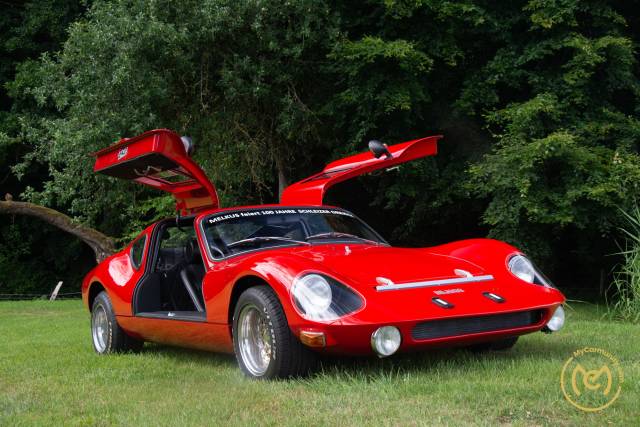
1979 | Melkus RS 1000
Rarität, Flügeltürer, vollst. restauriert und neu aufgebaut, Historie, TÜV & H

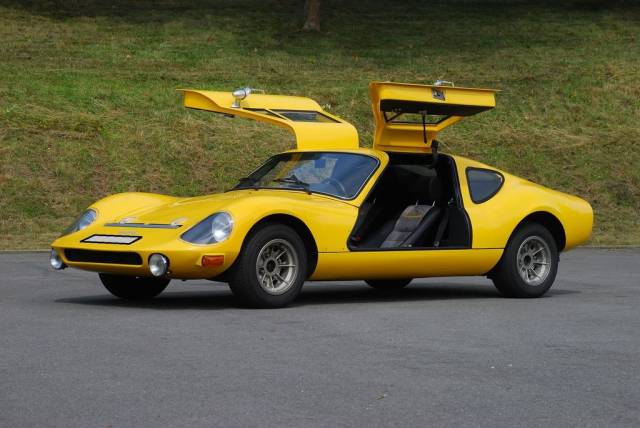
1976 | Melkus RS 1000
Vey rare racing car
Create search alert
Let yourself be notified as soon as a listing is published that matches your search filters.
Create listing
Do you have a Melkus RS 1000 that you want to sell? Then create a listing now.
Create listingMelkus RS 1000 Classic Cars: Prices & Market Values
History of the Melkus RS 1000
The Melkus RS 1000 was crafted in the DDR, directly responding to the state's motorsport ambitions. Heinz Melkus, already known for his racing successes, engineered the car to excel in East Germany's competitive circuit racing environment. Production began in 1969, exclusively at the Dresden plant, and each car was hand-finished to order. The RS 1000's tenure was limited due to the complex political and economic circumstances in the GDR, and production ceased in 1979. Its blend of Eastern European ingenuity and racing pedigree ensured the car's place in automotive memory.
Model History
The RS 1000 had no direct predecessor, being a purpose-built sports car. It derived core components, especially its 992 cm³ 3-cylinder engine, from the Wartburg 353, but the rest of its construction – including the aerodynamic body and gull-wing doors – was Melkus’s own vision. After 1979, Melkus shifted focus due to the limitations in procuring key components and the changing climate of motorsport within the GDR. In the decades since, the name Melkus remains synonymous with the RS 1000, as no direct successor continued the original mechanical and design philosophy.
Highlights and Unique Features – Melkus RS 1000
Beyond the obvious rarity, the Melkus RS 1000 stands out for its fiberglass body, mid-engine layout, and the dramatic gull-wing doors. The highly tuned 3-cylinder engine set it apart from standard Eastern Bloc vehicles. The RS 1000’s chassis and suspension were tailored for competitive handling, targeting motorsport performance rather than luxury. Due to the hand-built nature of the car and difficulties in acquiring parts during its manufacture, every RS 1000 shows unique craftsmanship details.
Technical Data
Special Editions and Collectible Models
No officially factory-developed special editions of the RS 1000 are documented. Each vehicle, however, was uniquely hand-assembled, often with bespoke details requested by its original owner or depending on the supply situation. This results in appreciable differences between individual cars.
Weak Spots and Common Issues
No manufacturer-specific weak spots have been reported in the sources. However, as a hand-built classic utilising modified Wartburg mechanicals, maintenance requires expertise with 2-stroke technology and care sourcing authentic parts, especially for the drivetrain and suspension. Ageing of the fiberglass body and bespoke components may also require special attention.
Engine and Performance, Transmission and Handling
The RS 1000 offers a raw and agile driving experience, shaped by its motorsport roots. The 2-stroke triple delivers a characteristic high-rev, smoky performance sound. Mid-engine layout, rear-wheel drive and the fine-tuned suspension yield direct and responsive handling, allowing experienced drivers to exploit its lightweight agility. Gearbox and clutch require familiarisation, especially given the non-synchronised transmission customary in Eastern sports engineering. Since there is only one core variant of the RS 1000, all existing examples share the highly distinctive performance profile noted above.
Interior, Comfort, Exterior and Design
The RS 1000’s fibreglass body, dramatic gull-wing doors, and low-slung silhouette were radical departures from conventional Eastern Bloc design. Interior appointments were function-led, sparse, and closely aligned to racing needs, with weight savings in mind. Most cars were painted in bright colours – commonly white, red, or blue – with period decal stripes, while upholstery and dashboard layouts often reflected a blend of hand craftsmanship and practical motorsport influence. Options and accessories were highly individual, reflecting the bespoke construction process.
Other Noteworthy Features
Built in an era when access to western technology was severely restricted, the RS 1000’s existence is a testament to East German resourcefulness. Enthusiasts value the model’s tangible link to GDR motorsport culture and its uncompromised focus on driving dynamics over luxury. Every car is an artifact of a unique political and engineering context.
Summary
The Melkus RS 1000 comprises the entire Melkus classic car universe, concentrating all demand and supply for the make on this one rare, distinctive model. Produced in minuscule numbers in Dresden, the RS 1000 stands apart among classic sports cars, offering collectors and enthusiasts an unrepeatable glimpse into Eastern European motorsport engineering.