Mathis 8/20 PS classic cars for sale
The Mathis 8/20 PS stands out as a French-engineered compact from the early 20th century, representing the vision of Émile Mathis for reliable, accessible mobility. Frequently sought by collectors with a focus on authentic pre-war continental driving experience, this model occupies a distinct niche on the classic car market.
Suchergebnisse
Zur Zeit sind keine passenden Inserate zu Ihrer Suche veröffentlicht.
Create search alert
Let yourself be notified as soon as a listing is published that matches your search filters.
Create listing
Do you have a Mathis 8/20 PS that you want to sell? Then create a listing now.
Create listingMathis 8/20 PS listing references from Classic Trader
Below you will find listings related to your search that are no longer available on Classic Trader. Use this information to gain insight into availability, value trends, and current pricing for a "Mathis 8/20 PS" to make a more informed purchasing decision.
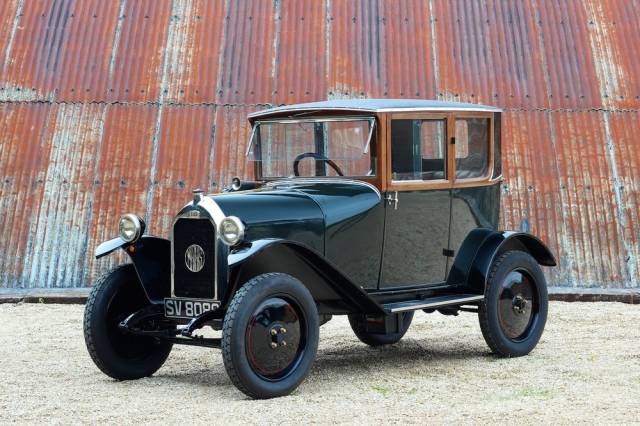
1920 | Mathis 8/20 HP
Create search alert
Let yourself be notified as soon as a listing is published that matches your search filters.
Create listing
Do you have a Mathis 8/20 PS that you want to sell? Then create a listing now.
Create listingMathis 8/20 PS Classic Cars: Prices & Market Values
History of the Mathis 8/20 PS
The Mathis 8/20 PS emerged during a period of ambitious automotive development in France. The Alsace-based Mathis company focused on producing lightweight, economical cars that appealed to a growing middle class. Émile Mathis, the founder, was ahead of his time in addressing practical motoring needs, and the 8/20 PS encapsulates his approach—compact, robust engineering married with approachable technology. Positioned to compete with contemporaries from Peugeot and Renault, the 8/20 PS helped Mathis cement its reputation through the 1920s for producing cars that combined French flair with everyday usability.
Model History
The 8/20 PS marked an important milestone in Mathis’ expanding portfolio. Introduced as a follow-up to earlier lower-powered Mathis types, the 8/20 PS offered more power and refinement. It predates larger-displacement siblings from Mathis and did not have a direct successor in the same price and weight category after Mathis shifted its focus towards more robust and technologically advanced vehicles towards the 1930s. The 8/20 PS remains particularly representative of the make’s interwar philosophy.
Highlights of the Mathis 8/20 PS
The Mathis 8/20 PS is recognised for its balance of performance and efficiency in a classically compact French chassis. Lightweight construction enabled sprightly on-road manners, while the engineering focused on maintainability made them approachable for owner-mechanics. Period publications often highlighted the straightforward nature of the car, allowing for easy repairs—a valuable trait among classic car enthusiasts today.
Technical data
Special Editions and Collectible Models
No factory special editions of the Mathis 8/20 PS are confirmed in primary sources. However, bespoke coachbuilders sometimes offered unique bodywork on the 8/20 PS chassis, resulting in a handful of cabriolets and landaulets. These rare examples, fundamentally similar in mechanicals, are of particular interest for collectors seeking distinct pre-war French craftsmanship.
Weak Spots and Common Issues
No specific known weak spots are documented in the provided sources. Buyers should always inspect for age-related wear, corrosion of the chassis, and condition of original drivetrain components. As with many vehicles from the 1920s, the sourcing of authentic replacement parts can be challenging, and mechanical sympathy is advised for enjoyable ownership.
Engine and Performance, Transmission and Handling
A light chassis and low-tuned four-cylinder allowed the 8/20 PS to deliver an honest driving experience. Gear ratios were chosen for usability in both city and countryside, and the steering’s straightforward mechanical layout supports easy maneuvering. Compared to heavier peers of its era, the Mathis rewards smooth, deliberate inputs and careful attention during gear changes. These cars are best enjoyed on leisurely drives, where their period charm and simple mechanical feedback can shine. In the market for Mathis, the 8/20 PS is particularly notable when compared with later, more powerful Mathis cars (like the 10/30 PS series). In technical terms, while the output is modest, the 8/20 PS’s lightweight build grants it nimble handling for its age, outshining heavier contemporary sedans in responsiveness.
Interior, Comfort, Exterior and Design
Designers at Mathis emphasised utility and aesthetic restraint. Early 8/20 PS models featured simple dashboards with clear instrument layouts, while upholstery ranged from cloth to early synthetic leathers. Exteriors were characterised by flowing fenders, upright grilles, and a focus on ease of maintenance. Various coachbuilt bodies introduced regional design influences—some examples even boasted custom paint schemes or period-typical two-tone finishes. Accessories such as period-correct lamps and carriers are highly sought after.
Other Features
Occasionally, well-preserved Mathis 8/20 PS models are equipped with rare survivor accessories, like original toolkits, proprietary badges, or documentation from French historic registries. These supplements contribute substantially to provenance and appeal within historic motoring circles.
Summary
The Mathis 8/20 PS represents a seldom-seen chapter of French automotive ingenuity—compact, accessible, and built for usability in the formative years of European road motoring. Today, examples rarely surface, making them rewarding for those with a passion for pre-war mechanical engineering and the early independent spirit of French manufacturers.