Marmon Big 8 Classic Cars for Sale
The Marmon Big 8 stands as a testament to American engineering from the early 1930s, offering large displacement, technical sophistication, and rare presence on today’s classic car market.
Search results
Currently, there are no matching listings for your search.
Create search alert
Let yourself be notified as soon as a listing is published that matches your search filters.
Create listing
Do you have a Marmon Big 8 that you want to sell? Then create a listing now.
Create listingMarmon Big 8 listing references from Classic Trader
Below you will find listings related to your search that are no longer available on Classic Trader. Use this information to gain insight into availability, value trends, and current pricing for a "Marmon Big 8" to make a more informed purchasing decision.
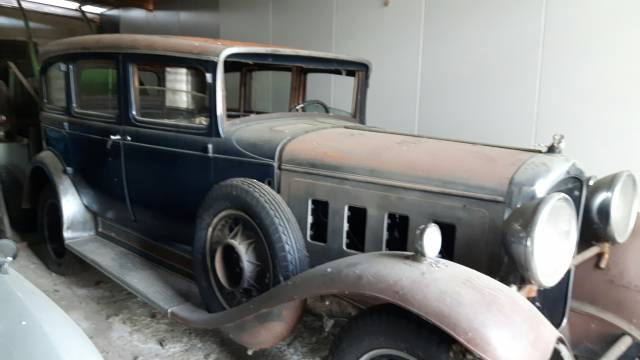
1930 | Marmon Big 8
Marmon Big Eight Sedan 1930
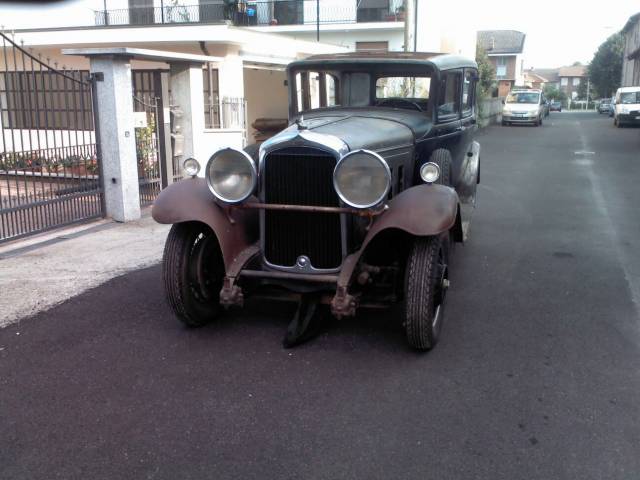
1930 | Marmon Big 8
Marmon Big Eight Five-Passenger Sedan
Create search alert
Let yourself be notified as soon as a listing is published that matches your search filters.
Create listing
Do you have a Marmon Big 8 that you want to sell? Then create a listing now.
Create listingMarmon Big 8 Classic Cars: Prices & Market Values
History of the Marmon Big 8
The Marmon Big 8 was introduced in 1930 during an era when American luxury cars were racing toward greater innovation and performance. Marmon, already known for quality, targeted the upper segment with the Big 8, launching the car to compete with the likes of Cadillac and Packard. The Big 8 designation comes from its power unit—a straight-eight engine—highlighting both displacement and smoothness that defined luxury touring at the time. Marketed as a forward-thinking model, it offered advancements that set new standards for comfort and engineering among luxury cars.
Model History
The Marmon Big 8 succeeded the earlier Marmon straight-six lines, filling the gap for buyers demanding more power without stepping up to the Marmon Sixteen—a V16 model launched later in the decade. The Big 8's production run was concentrated around the 1930 model year, before the economic depression curbed the market for luxury vehicles. The Marmon company ceased car production in the early 1930s, making the Big 8 one of its last and most refined series. There was no direct successor, with the Sixteen being the only model produced alongside and after.
Highlights of the Marmon Big 8
The Big 8 featured a refined straight-eight engine, sophisticated suspension, and bodylines that were advanced for the time. Its reputation for high original purchase price and limited production volume set it apart from contemporary full-size American vehicles. Owners benefitted from engineering details like aluminium bodywork in some versions, and a silent-running drivetrain.
Technical Data
Special Editions and Collectible Models
Some Marmon Big 8 vehicles were offered as limited editions, with select luxury appointments and custom coachbuilder bodywork. These vehicles, often the result of bespoke orders, remain especially sought-after due to their unique combinations of materials, finishes, and historical provenance.
Maintenance, Weak Spots and Common Issues
While the Marmon Big 8 is robustly engineered, maintenance of original engine and drivetrain components requires specialist knowledge, as spare parts can be scarce. Owners should be attentive to the condition of the straight-eight motor, integrity of original suspension, and bodywork, given potential use of lightweight aluminium in certain models. Regular lubrication and careful adjustment of mechanical linkages are recommended to preserve its operational quality.
Engine and Performance, Transmission and Handling
The Big 8's straight-eight engine developed impressive torque for its time, well-suited for long, comfortable journeys at speed. The durable manual gearbox allowed for confident shifts, while the chassis absorbed rougher road surfaces better than most contemporaries. Steering is typically direct but heavy, as was typical for cars of this era. Due to engineering focus on refinement, ride quality is smooth for a 1930s car, though braking distances are naturally longer than in modern cars. The most notable Marmon Big 8 models include custom-bodied vehicles from renowned coachbuilders, often featuring exclusive interior and exterior appointments. These models stand out due to their exquisite craftsmanship and collector desirability.
Interior, Comfort, Exterior and Design
Design of the Marmon Big 8 leans into the early 1930s American art-deco influence, with notable long hoods, flowing fenders, and understated but luxurious detailing. Interiors were typically finished in high-grade leather and wood veneer, with attention to passenger comfort and bespoke requests common. Some Big 8 cars benefited from custom bodywork, including rare paint schemes or hand-crafted ornaments. Factory options included period-correct accessories like trunks, side-mount spare wheels, and special dashboard instruments.
Other relevant features
For collectors interested in historical context, the Marmon Big 8 was a direct response to growing consumer expectations for power and luxury in interwar America. Unmodified examples with original documentation or rare coachbuilt bodies are particularly valued in concours circles.
Summary
The Marmon Big 8 defines a unique blend of American engineering ambition and luxury tradition at the start of the 1930s. With refined mechanicals, rare supply, and potential for unique specifications, the Big 8 occupies a singular space among classic American vehicles from the period.