- Car
- Marcos (6 offers)
Buy Marcos Classic Cars
Marcos combines Wiltshire hand-built individuality with daring glassfibre shapes, lightweight construction and engines from Volvo, Ford, Rover and Chevrolet. Find a Marcos classic car with a well-documented chassis, specification and ownership history.
Search results

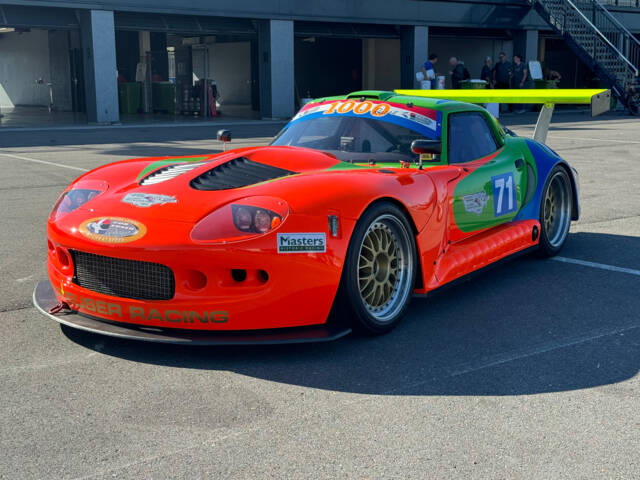
2006 | Marcos Mantis GT3
“Best value for money in Endurance Legends”

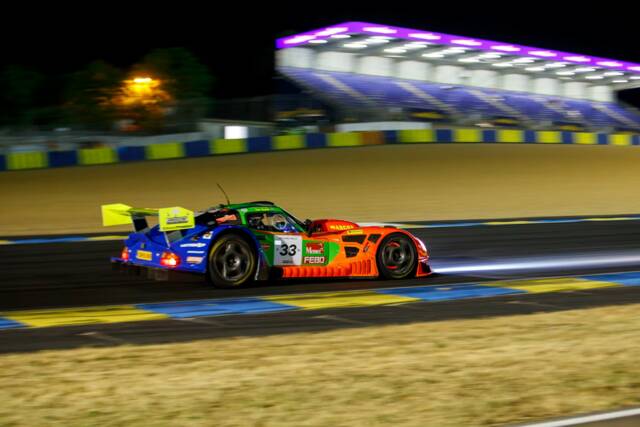
2000 | Marcos Mantara LM600 EVO
“La Bomba”
Auctions ending soon

Loading…
Loading…
Loading…
Loading…
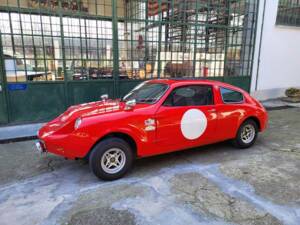
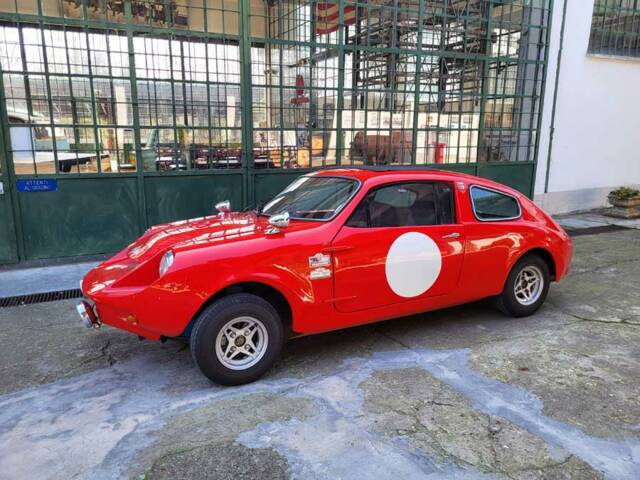
1978 | Marcos Mini Marcos 1300 GT
SUMMER PRICE 2026 @ CITY MOTORS


Newsletter
The best Marcos listings, straight to your inbox
Get hand-picked Marcos listings, plus the best of cars, motorbikes, and auctions on Classic Trader — all in one place.
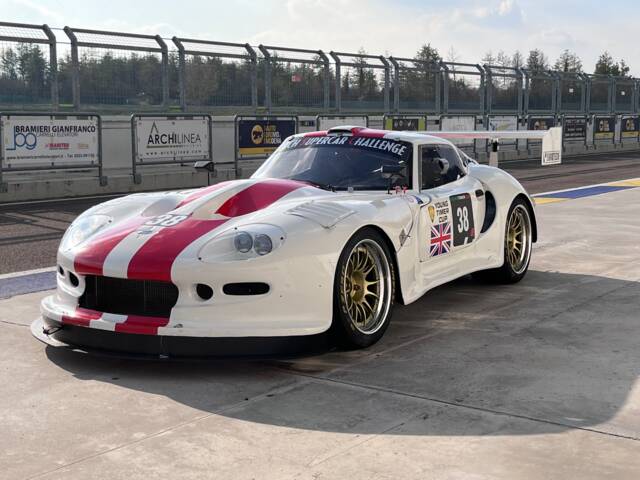
1999 | Marcos Mantis Challenge
“Anglo-Dutch Challenger”
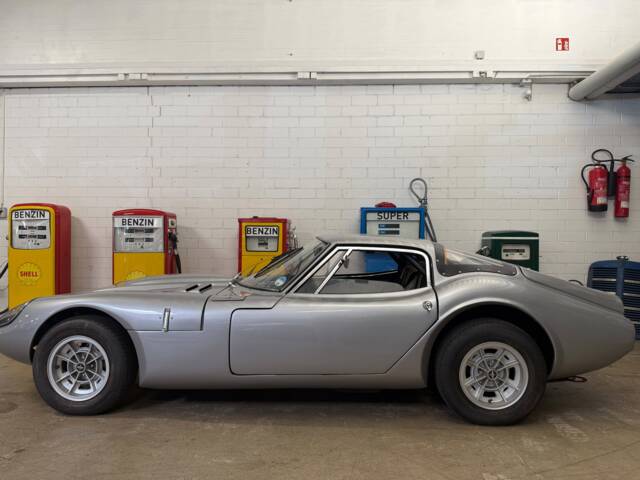
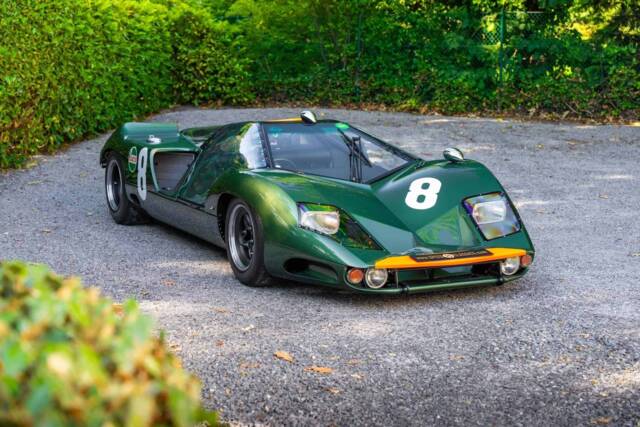
1969 | Marcos 3000 GT
Sonstige Marcos

Marcos listing references from Classic Trader
Below you will find listings related to your search that are no longer available on Classic Trader. Use this information to gain insight into availability, value trends, and current pricing for a "Marcos" to make a more informed purchasing decision.
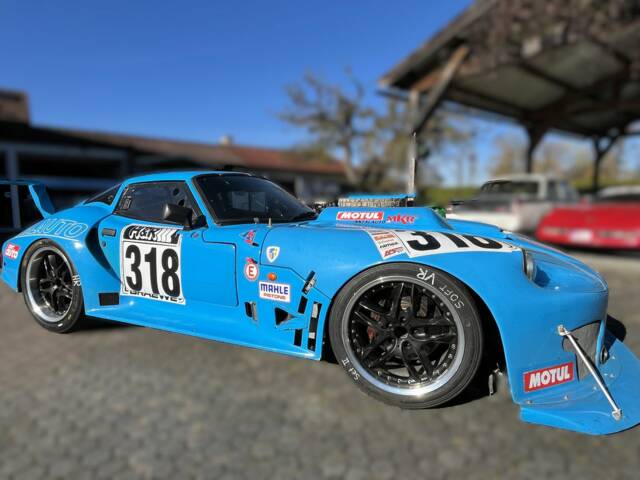
1994 | Marcos LM500
Marcos LM 500 race car | 1994 | Route 66 Auctions - For sale by auction. Estimate 29500 EUR

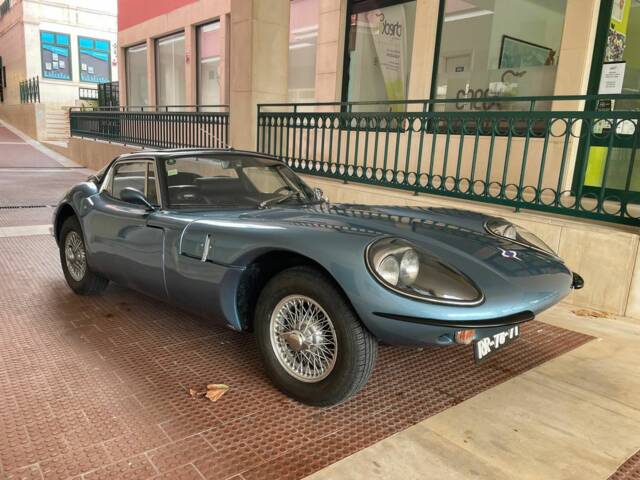
1968 | Marcos 1600 GT
Marcos 1600 GT | 1968 | Route 66 Auctions - For sale by auction. Estimate 23500 EUR
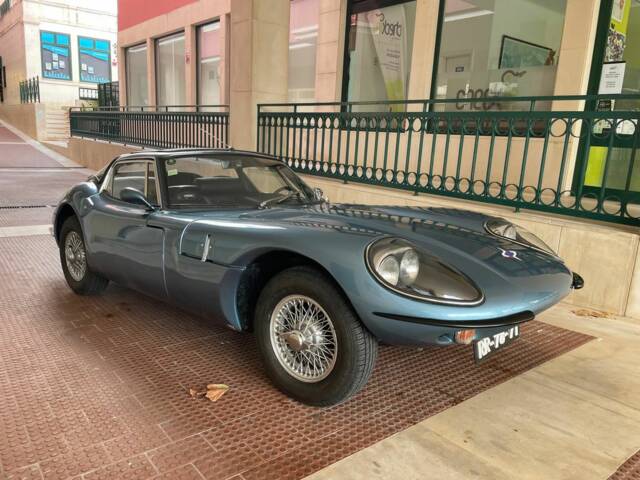
1968 | Marcos 1600 GT
Marcos 1600 GT | 1968 | Route 66 Auctions - For sale by auction. Estimate 23500 EUR
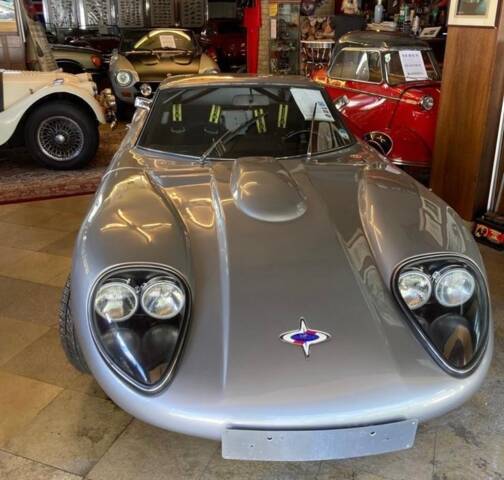
1969 | Marcos 3.0 Litre

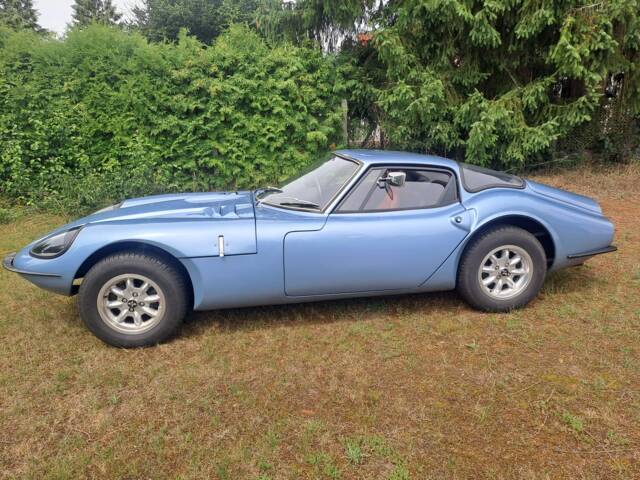
1965 | Marcos 1800 GT
Oldtimer mit H-Zulassung, sehr selten !
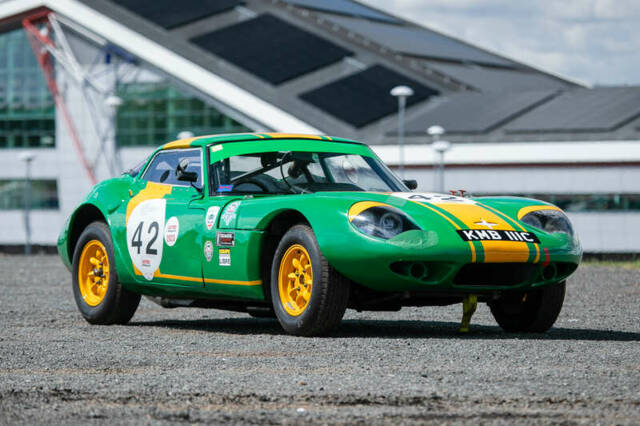
1965 | Marcos 1800 GT
1965 Marcos 1800GT FIA GTP1

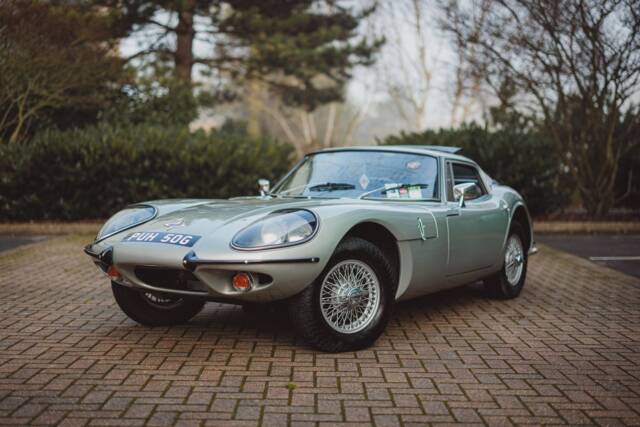
1968 | Marcos 1600 GT
Being sold by the CEO of Marcos Motor Company
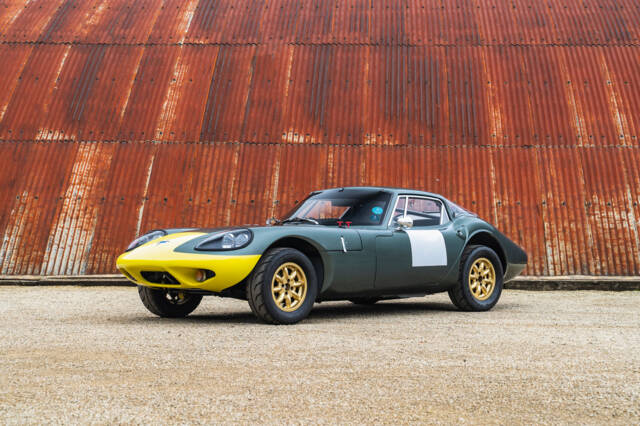
1965 | Marcos 1800 GT
Superbly prepared for historic racing with HTP papers to 2031
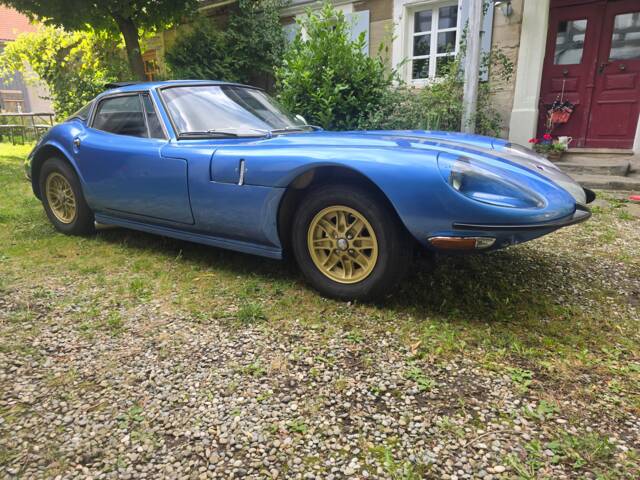
1971 | Marcos 3.0 Litre
frame off,aussteller autosalon genf
The story of Marcos
Marcos is one of the most individual British specialist marques. Its name joins the surnames of its founders, Jem Marsh and Frank Costin, who began building racing cars in 1959. Costin brought aircraft-industry thinking, notably the intelligent use of bonded timber; Marsh supplied the determination to turn a clever racing special into a business and, later, to keep it alive through several collapses. Their first cars were extraordinarily light wooden monocoques with glassfibre panels, not rustic curiosities. The construction used marine plywood, careful bonding and a central load-carrying structure, an approach that echoed Costin's experience of the de Havilland Mosquito.
Costin left in 1961. Dennis and Peter Adams then supplied the silhouette which most people picture when they hear the name Marcos: the remarkably low GT, launched in 1964. The 1800 GT put Volvo's 1,778cc B18 four into a 41.5-inch-high fastback. It was an improbable combination of a nearly reclining driving position, a long forward-hinged bonnet and a hand-made fibreglass body bonded over timber. Around 100 were made at Greenland Mills, Bradford-on-Avon. Early independent-rear-suspension cars are especially prized, but their condition and correctness matter more than the rear-axle type alone.
Marcos broadened the GT range with Ford Kent and Crossflow fours, the Ford Essex V4 and, from 1969, the 3.0-litre Essex V6. Crucially, 1969 also brought a square-section steel spaceframe. It saved substantial build time and enabled more power, but it changed the preservation question from timber integrity to corrosion inside and around the frame. Volvo B30 straight-six cars followed, initially shaped by the requirements of the American market. The expensive Mantis M70 2+2, using Triumph 2.5 PI power, arrived into an already fragile business; only 32 were built. A factory move to Westbury, US-export problems and a weak market led to the first closure in 1972.
Marsh continued to service existing owners, regained the moulds and name in 1976, and reintroduced the old GT as a component car in 1981. That distinction deserves respect when assessing a car today. A component-built Marcos can be superb, but its workmanship, donor components and registration history are individual to that car. In 1983/84 the familiar shape acquired Rover's compact alloy V8 and became the Mantula; a Spyder followed in 1986. Approximately 170 Mantula coupés and 119 Spyders were completed. The later independent rear suspension is a meaningful road-use improvement over the earlier live-axle arrangement.
The 1990s transformed Marcos from a revival-era component-car maker into a small-volume manufacturer and a serious GT-racing presence. The Mantara introduced a more developed, type-approved road car, normally with Rover V8 power, while the LM500 and LM600 racers returned the badge to British GT and Le Mans. Chris Hodgetts won the 1995 BRDC National Sports GT Championship in an LM600; the team finished seventh in class at the 1995 Le Mans 24 Hours. The 1997 Mantis was the roadgoing culmination: a 4.6-litre, quad-cam Ford V8, a much more modern body and 352bhp in standard form. Just 51 Mantis road cars were made, with fewer than ten of the supercharged 500bhp-plus Mantis GT. Later TS and TSO projects extended the story, but the company again entered administration in 2007. Marcos Heritage's retention of moulds, drawings and build files is therefore unusually valuable to owners.
What makes a Marcos special
No single specification defines every Marcos. What links the marque is a front-engine, rear-drive, low-volume British sports-car idea: low weight, glassfibre coachwork, a long bonnet and mechanical components selected from larger manufacturers. That combination gives a buyer both opportunity and responsibility. Ford, Volvo, Rover and Chevrolet engines can be maintained by knowledgeable specialists; a Marcos-specific screen, door frame, body fitting or chassis detail may require marque expertise.
The GT is the purest expression of the original recipe. Its fixed seats sit very low in the chassis; instead of moving the seat, the pedal box adjusts fore and aft from the dashboard. The long bonnet lifts as one piece, access is excellent, and the driver looks over an unusually low scuttle. A correct 1800 retains the Volvo engine, four-speed gearbox with Laycock overdrive and its distinctive period details. Ford-powered cars often offer a more straightforward route to engine parts and tuning support, but an engine swap should never be treated as immaterial on a scarce, original car.
The Mini Marcos is a separate, important branch rather than simply a small GT. Its fibreglass shell used Mini running gear and became a staple of British club competition and kit-car culture. A Mini Marcos was the only British car to finish the 1966 Le Mans 24 Hours. Production continued through several marks and suppliers; identity, chassis number, shell specification and the quality of any competition conversion need checking just as closely as on the larger cars.
The Mantula is the accessible V8 answer. A 3.5- or 3.9-litre Rover V8 gives strong torque without the weight penalty of an iron-block V6, and a sound Mantula feels appreciably more urgent than its modest dimensions suggest. It also belongs squarely to Britain's roadster and club culture: an open Spyder, a burbling V8, a Sunday run to a local meet and a file of old MOT certificates are all part of its appeal. That romance must not disguise the fact that many were owner-assembled. A build manual is useful; a photographic build record, invoices, V5C continuity and evidence of competent chassis work are better.
Mantara, GTS and Mantis suit buyers wanting more maturity and performance. The Mantara's injected 3.9-litre Rover V8, all-round independent suspension and wider track made it a credible fast touring car. The rare 2.0-litre GTS Turbo was primarily created for tax-sensitive markets, not as a budget substitute. The Mantis delivers muscle-car thrust in a very small British production run. It is excitingly rare, but it is not the casual entry point: specialist familiarity with Ford EEC-V management, cooling, brakes, suspension set-up and any supercharger work is essential.
Technical data for notable Marcos models
Figures varied with small-series development, component-car specification and later upgrades. Treat this table as an identification aid, then verify the individual car against its chassis number, factory record and period documentation.
The table also explains why a marque-wide inspection list must branch by period. A timber 1800, steel-frame Essex GT, Rover V8 Mantula and Ford V8 Mantis may share a badge and a profile, but they do not share the same failure modes or restoration economics.
Market overview and buying tips
The UK is the natural place to find a Marcos, but this is a thin, condition-led market, not a market in which a single asking price establishes a value. Provenance, chassis integrity and honest preparation determine whether an apparently inexpensive car is a satisfying club car or an expensive reconstruction. Recent auction evidence is instructive. H&H sold a 1972 GT with the exceptionally scarce Triumph 2.5-litre six, extensive chassis work and long ownership for £12,250 in April 2024. Conversely, Iconic Auctioneers' original 1965 1800 GT race car, chassis 4009 and FIA/HTP-presented, was not sold at the August 2025 Silverstone Festival sale. That contrast is useful: scarcity, racing eligibility and presentation do not remove the need for a buyer whose intended use and budget match the car.
For 2025 market context, Dore & Rees offered a low-owner 1986 Mantula Stage III at a £17,000-£20,000 estimate in June. An estimate is not a transaction, so it should not be used as a sale value; it does, however, frame the difference between a documented, usable V8 car and a project. In 2026, an auction catalogue offered a 2014-registered Marcos Martina at £10,000-£12,000, showing why registration date alone can mislead in component-car territory. Ask whether a price is an achieved inclusive sale, hammer price, guide or retail asking price before using it to judge a listing.
At the lower end, incomplete cars, old projects and compromised frames can look tempting. Budget instead for an inspection before bidding, transport, recommissioning, tyres, fluids, brake work and the time needed to identify missing items. A sound four-cylinder GT or properly finished Martina may be a sensible route into ownership; a documented Mantula offers the familiar Rover V8 ownership ecosystem; an original 1800, a correct B30 car, a genuine race car or Mantis requires a higher premium for originality and specialist knowledge. Do not buy a race-derived LM or Mantis on power output alone. Its chassis history, current safety equipment, engine-hours record, spares package and road-registration status are core value factors.
Inspect the structure before the paint. On pre-1969 GTs, inspect the bonded timber chassis for softness, delamination, evidence of water ingress and crude steel plating. Pay particular attention to the footwells, sill torsion boxes, screen surrounds, boot, door openings and bulkhead. A wooden chassis can be repaired correctly, but it is specialist work: moisture trapped beneath fresh underseal or a glossy interior finish is not proof of health. The original design was intended for modest power; tyre width, engine tuning and modifications must make structural sense.
On steel-frame GTs and later cars, glassfibre can conceal the important corrosion. Put the car on a lift and inspect the lower rails, outriggers, front-wheelarch area, rear vertical members, suspension pickups and differential mounts. Request photographs of any body-off restoration, chassis replacement, galvanising or repairs. Welding close to fibreglass needs careful professional practice. A correctly documented replacement chassis is usually preferable to an attractive, unrecorded frame with inaccessible corrosion.
The engine should be assessed as its donor-family unit, but installation-specific matters still count. For a Volvo B18/B30, check oil pressure, cooling, carburation and overdrive engagement. For a Ford Essex, listen for timing-gear noise and confirm ignition and carburettor calibration. With the Rover V8, look for hot oil-pressure evidence, cooling-system health, camshaft wear symptoms, fuel-system condition and a positive LT77 gearchange. The Mantis needs a specialist diagnostic check, especially if modified. Cooling, sensors, fuelling, wiring and any forced-induction conversion need invoices and a credible calibration trail.
Marcos Heritage identifies original mild-steel fuel tanks on later cars as a potential corrosion source; debris can block the pre-filter and cause fuel starvation. Ask whether the tank is original, repaired or replaced. On later V8 cars, inspect the rear differential mounting and the upper front damper mountings. On Mantis variants, confirm that the vulnerable original plastic oil-pressure line has been replaced with a suitable reinforced hose; a leak near hot exhaust components is a serious risk. Fibreglass itself does not rust, but examine bonnet and hinge areas, mounting points, stress cracks, previous accident repairs, panel alignment and gelcoat blistering.
For a British buyer, paperwork is part of the mechanical inspection. Match chassis and engine numbers to the V5C, Marcos Heritage information and any owners-club register. Read old MOT certificates and use the public MOT history where available: repeated advisories for corrosion, brake imbalance, emissions or tyres often reveal a pattern. Most Marcos over 40 years old can be exempt from the annual MOT if they have not been substantially changed, but exemption is not a declaration that the car is safe or roadworthy. It remains the keeper's legal responsibility to keep it roadworthy; a voluntary MOT is a useful independent snapshot, particularly after recommissioning. Later cars require the normal annual test.
Parts are better supported than the production totals suggest, but they are not all equally easy. Service parts for Ford, Volvo, Rover and Mini drivetrains have broad UK supply. Marcos Heritage retains original tooling and drawings, and the Marcos Owners Club's knowledge, technical documents and parts information are valuable before purchase. Bespoke glass, seals, trim, lighting, chassis pieces and correct body hardware should be checked item by item before agreeing a restoration budget. Join the club before buying, not after: experienced owners can often recognise a hybrid, a non-factory convertible or an incorrect chassis prefix quickly.
The Marcos driving experience
An early GT feels closer to a roadgoing competition car than to a conventional 1960s coupé. You drop into it rather than sit in it; the steering wheel is upright, the pedals come to you and the windscreen is close. A healthy B18 or Ford four rewards use of the gearbox, while the light body and low centre of gravity make ordinary B-roads feel vivid. It asks its driver to accept heat, noise and a restricted sense of space in exchange for involvement.
The Essex V6 brings a broader stride and more overtaking torque, though the front end feels different from a four-cylinder car. A well-sorted Mantula makes the case for the Rover V8 brilliantly: compact dimensions, modest mass and a lazy, resonant surge from low revs. In Spyder form it suits the British habit of making the most of a dry evening; in coupé form it has the slightly eccentric, long-bonnet presence that makes a club run memorable.
Mantara and Mantis are faster and more settled, yet never anonymous. Their power steering, independent suspension and wider tracks make longer journeys more plausible, but their small-series construction still rewards accurate geometry, fresh dampers and correct tyres. The Mantis has genuine modern-supercar pace for its era. It should be driven with the respect due to rear-wheel drive, substantial torque and a low-production chassis, not treated as an inexpensive route to a 350bhp V8.
Design, construction and British character
The Adams GT shape is the visual thread through much of the marque's life. Its elongated nose, covered lamps, low roof and sharply tapered rear were startling in 1964 and remained recognisable through the Mantula era. This was not a copy of an Italian grand tourer: the packaging was dictated by an exceptionally low seating position and a small specialist manufacturer's need to make fibreglass work elegantly. Later spoilers, wheelarch extensions and revised lamps modernised it, but never erased its original stance.
Costin's contribution was equally fundamental, even where not visible. The wood chassis was a sophisticated solution to stiffness, weight and low-volume manufacture, while the later spaceframe made production more practical. Fibreglass enabled the marque to build distinctive bodies without the cost of press tooling, but it requires an owner who understands that a clean gelcoat does not validate the structure beneath.
That blend helps explain Marcos's place in UK enthusiast life. It is neither a mass-produced classic nor an imitation of a famous car. The marque thrives through local shows, sprint paddocks, track days, pub-meet runs and owners willing to share knowledge. A properly chosen Marcos has the rare ability to be both a conversation starter on a petrol-station forecourt and a genuinely engaging car on a quiet, dry British road.
Racing, clubs and lasting support
Marcos competition history reaches from early club racers to the Mini Marcos at Le Mans and the muscular LM programme. The LM600's British GT success and Le Mans appearance established that this small Wiltshire concern could compete against far larger operations. Historic-race eligibility can add substantial interest to a genuine period car, but it also demands forensic checking: continuous chassis identity, FIA paperwork, logbooks, current safety dates and a clear description of non-period changes all matter.
The active owners' network is a practical advantage, not merely nostalgia. Marcos Heritage can access build information and reproduce or supply many specialist items; the Marcos Owners Club preserves model knowledge and documentation. Use both resources to check a prospective purchase. With a Marcos, the best buying decision is usually the one made after the chassis number has been investigated, the car has been lifted and the people who know the marque have seen the evidence.
Buy the right Marcos
A Marcos classic car rewards a buyer who values engineering character over convention. The 1800 GT is the pure, lightweight original; Ford and Volvo six-cylinder GTs offer a different long-distance character; the Mini Marcos brings British club-racing ingenuity; Mantula and Mantara provide Rover V8 theatre; and the Mantis is a very rare, genuinely fast finale.
Buy chassis condition, documentation and a coherent specification rather than a glamorous badge or a freshly painted body. Check timber with a specialist, steel on a lift, component cars against their build and registration records, and all cars against marque information. Do that work first and a Marcos can be far more than an unusual classic: it can be a usable part of Britain's living road and club culture.