March 793 classic cars for sale
The March 793 is a standout single-seater formula racing car from 1979, meticulously crafted for the highly competitive Formula 3 series. It is widely sought after by motorsport enthusiasts who value authentic racing pedigree and a focused technical design. Discover more about the story and special features of the March 793 below.
Search results
Currently, there are no matching listings for your search.
Create search alert
Let yourself be notified as soon as a listing is published that matches your search filters.
Create listing
Do you have a March 793 that you want to sell? Then create a listing now.
Create listingMarch 793 listing references from Classic Trader
Below you will find listings related to your search that are no longer available on Classic Trader. Use this information to gain insight into availability, value trends, and current pricing for a "March 793" to make a more informed purchasing decision.
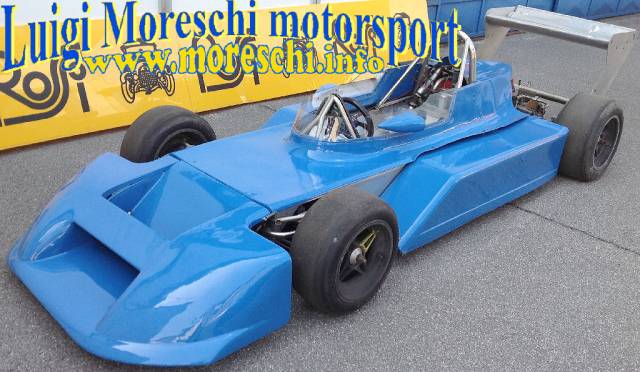
1979 | March 793 F3
(ex Almo Coppelli)
Create search alert
Let yourself be notified as soon as a listing is published that matches your search filters.
Create listing
Do you have a March 793 that you want to sell? Then create a listing now.
Create listingMarch 793 Classic Cars: Prices & Market Values
History of the March 793
Developed for the 1979 Formula 3 season, the March 793 built upon March Engineering’s reputation for producing effective customer racing cars. March, established in 1969, had become a staple supplier for single-seater championships by the late 1970s. The 793 continued this legacy, debuting at a time when Formula 3 chassis design was reaching new technical heights in pursuit of both performance and accessibility. The robust presence of March in racing paddocks, paired with the company’s willingness to respond to competitive innovations, kept the 793 at the centre of attention for private teams and talented young drivers eager to make their mark on European circuits.
Model Series History
The March 793 succeeded the 782 and introduced refinements in aerodynamics and chassis rigidity, critical for extracting maximum performance within Formula 3’s technical regulations. It was an evolution, not a revolution, building on lessons learned from earlier customer cars. The 793 influenced later models, notably the 803, as March further honed weight distribution and suspension geometry. The car saw intensive use during 1979 and early 1980s, particularly in British and European Formula 3 championships.
Highlights and Unique Features
The 793 is revered for its lightweight aluminium monocoque, adjustable suspension setup, and compatibility with engines such as the Toyota-Novamotor and Triumph. March successfully balanced rigidity and serviceability, making the 793 a favourite for private teams. The model also demonstrated remarkable adaptability to changing regulations and tyre technology of the era.
Technical Data
Special Editions and Collectible Variants
While the standard 793 configuration dominated, some examples received one-off liveries or custom engineering modifications, often linked to high-profile drivers or championships. Cars with notable racing history tend to attract particular interest, as do chassis that have undergone comprehensive restorations adhering to FIA Historic guidelines.
Weak Spots and Common Issues
No specific recurring technical weak spots are documented within the provided data. However, as with any period single-seater, thorough inspection of the chassis for accident repairs, verification of suspension component integrity, and regular engine overhauls are crucial for keeping a 793 race-ready.
Engine, Performance, Gearbox, and Handling
Power from the Toyota or Triumph Formula 3 engine, transmitted via the Hewland FT200, allows for acceleration and cornering that consistently challenge drivers. The March 793 is characterised by sharp turn-in, responsive balance, and robust braking, necessary for the high-intensity sprints of Formula 3 racing. Feedback from period teams praised the car’s predictable handling on both slick and rain tyres. Highlight: Cars equipped with Toyota-Novamotor engines and original logbooks are especially valued for their period-correct configuration and eligibility in historic series.
Interior, Comfort, Exterior, and Design
March 793’s cockpit embodies pure function: minimalist, driver-focused, with easily serviceable control elements. The car’s low bodywork, side-mounted radiators, and distinctive front and rear wings reflect the aerodynamic priorities of late-1970s Formula 3. Chassis were delivered in bare aluminium or with customer-requested custom colours; period-correct liveries and original components (steering wheel, wheels, seat) enhance both authenticity and desirability.
Other Notable Aspects
Ownership of a March 793 grants access to a vibrant community engaged in historic single-seater competition and demonstration events across Europe. Eligibility for prestigious classic events enhances the car’s appeal to both racers and collectors with an affinity for authentic period racing machines.
Summary
The March 793 represents a significant chapter in Formula 3 and British motorsport history. Its balance of engineering prowess, competitive record, and ease of maintenance continues to attract racers and collectors who appreciate genuine track heritage. With a strong foundation in period engineering and lasting relevance in historic racing, the 793 remains a standout among single-seaters of its era.