- Car
- March-Cosworth
- March-Cosworth March (0 offers)
March-Cosworth March classic cars for sale
The March-Cosworth March series stands out in motorsport heritage and is highly sought after among historic racing enthusiasts. These vehicles combine pioneering British race car engineering with the Cosworth powerplants revered for their performance on the world’s circuits.
Search results
Currently, there are no matching listings for your search.
Create search alert
Let yourself be notified as soon as a listing is published that matches your search filters.
Create listing
Do you have a March-Cosworth March that you want to sell? Then create a listing now.
Create listingMarch-Cosworth March listing references from Classic Trader
Below you will find listings related to your search that are no longer available on Classic Trader. Use this information to gain insight into availability, value trends, and current pricing for a "March-Cosworth March" to make a more informed purchasing decision.
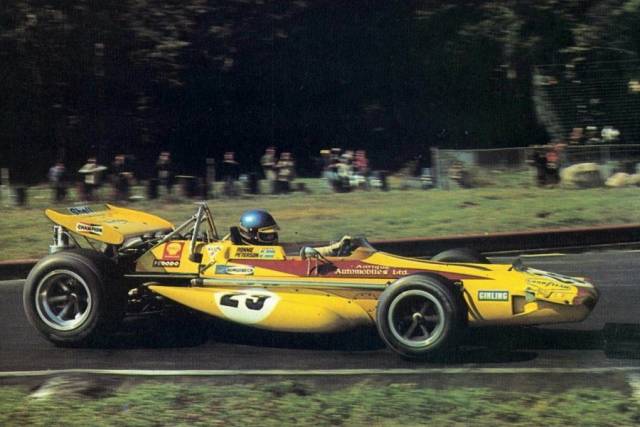
1970 | March-Cosworth March 701
The ex-Ronnie Peterson March 701

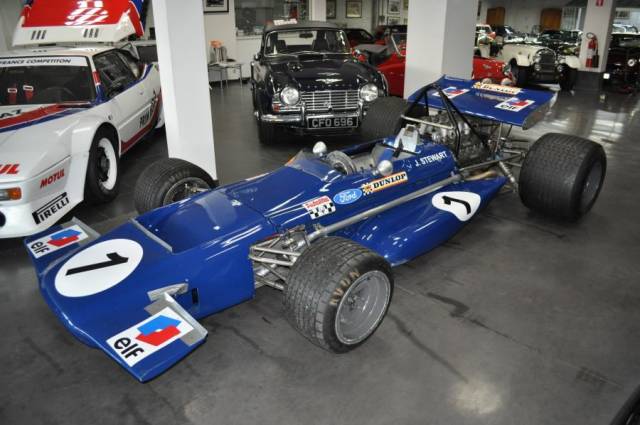
1970 | March-Cosworth March 701
March F1 - 701-02
Create search alert
Let yourself be notified as soon as a listing is published that matches your search filters.
Create listing
Do you have a March-Cosworth March that you want to sell? Then create a listing now.
Create listingMarch-Cosworth March Classic Cars: Prices & Market Values
History of the March-Cosworth March
The March-Cosworth partnership was instrumental in shaping the world of motorsport in the 1970s and 1980s. March Engineering, founded in Bicester, England, earned its renown by rapidly developing competitive single-seater and sports racing cars. When paired with Cosworth engines, particularly the DFV and its derivatives, the March chassis achieved international recognition, regularly seen in Formula One, Formula Two, and other legendary series. March’s collaboration with Cosworth was representative of the quintessential British racing formula: lightweight chassis, technical innovation, and a relentless pursuit of track superiority.
Model series history
March’s model chronology is notable for its diversity and adaptability to the demands of various racing categories. From Formula Three ladder cars to the distinctive Formula One chassis, March utilised Cosworth engines throughout a significant period of its racing production. Earlier March chassis such as the 701 made waves on the F1 scene, and successors in F1 and F2 continued to push the envelope, frequently challenging factory teams with their competitive pace. Each iteration incorporated lessons learned on the track, resulting in continuous refinement rather than radical redesigns.
Highlights of the March-Cosworth March
March-Cosworth models distinguished themselves through the integration of lightweight engineering, precise aerodynamics, and the celebrated Cosworth engine architecture. Their success across various competitions proved their adaptability and technical strength, from club-level events up to the very pinnacle of motorsport.
In the context of the classic car market, March-Cosworth March models enjoy a unique position. According to our data, 100% of March-Cosworth listings in our database are from the March series, and the demand share is equally dominant at 100%. This places the March series at the centre of both supply and interest for historic March-Cosworth vehicles, confirming its niche yet crucial market role.
Technical Data
Special Editions and Collectible Models
March-Cosworth produced bespoke cars for particular Grand Prix and endurance events, including adaptations for different tracks or customer preferences. Noteworthy are special, race-winning chassis numbers or those with documented Grand Prix wins, which hold higher interest for collectors due to their provenance and unique set-ups tailored for legendary drivers or teams.
Engine, Performance, Transmission and Handling
Behind the wheel, the March-Cosworth March delivers direct and highly communicative handling, a reflection of its racing pedigree. The Cosworth DFV engine provides immediate throttle response, a broad torque band, and reliability proven in championships around the world. The lightweight chassis paired to a sequential Hewland gearbox supports razor-sharp gear changes, crucial for maintaining momentum in competitive conditions. Race suspension geometries enable fine-tuning for circuit use, rewarding skilled drivers with remarkable cornering precision. Examples of standout variants include the March 701 and 761 (Formula One), and Formula Two adaptations, each noted for their engine-chassis harmony and period-specific technical innovations.
Interior, Comfort, Exterior and design
March-Cosworth March race cars are minimalistic to their core, prioritising function and driver engagement over amenities. The cockpits are spartan — typically a fabricated aluminium structure with all controls purposefully arranged for competition use. Exteriors bear the slim, aerodynamically tuned forms demanded by high-speed circuits, with liveries often matched to period sponsors or historic teams. Special attention to lightweight composite use and innovative cooling solutions are regularly found on factory and privateer-modified cars. Individual cars may feature authentic historic team colours, period-correct stickers, or unique fabrications as a result of their race history.
Summary
The March-Cosworth March series remains at the heart of historic motorsport, prized for its engineering rigour, racing authenticity, and direct connection to the golden era of British competition cars. It stands as the definitive choice for collectors and active participants in historic racing series seeking a true championship contender from the past.