March-BMW TOJ classic cars for sale
The March-BMW TOJ is a rare collaboration between British racing constructor March and BMW, representing a fascinating era in motorsport engineering with a focus on prototype sports cars for endurance racing.
Suchergebnisse
Zur Zeit sind keine passenden Inserate zu Ihrer Suche veröffentlicht.
Create search alert
Let yourself be notified as soon as a listing is published that matches your search filters.
Create listing
Do you have a March-BMW TOJ that you want to sell? Then create a listing now.
Create listingMarch-BMW TOJ listing references from Classic Trader
Below you will find listings related to your search that are no longer available on Classic Trader. Use this information to gain insight into availability, value trends, and current pricing for a "March-BMW TOJ" to make a more informed purchasing decision.
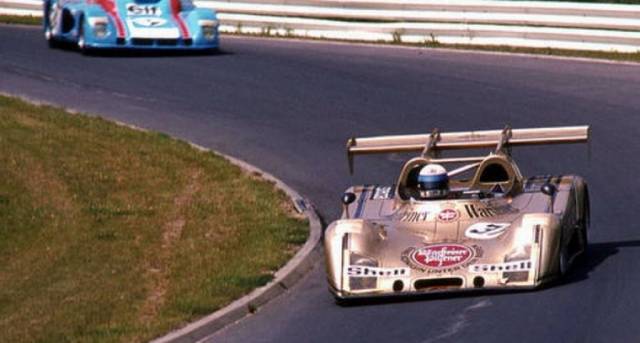
1974 | March-BMW TOJ SS02
1974 TOJ Formula 2 SS02 - 2
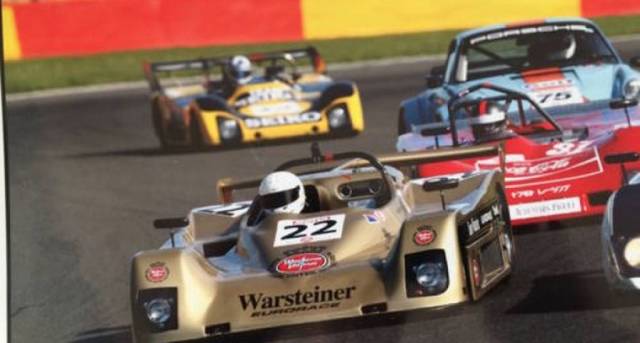
1976 | March-BMW TOJ SC204
TOJ Formula 2 SC204 - 1276
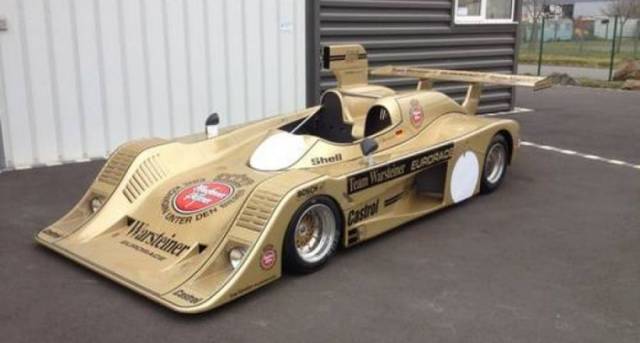
1975 | March-BMW TOJ SC03
1975 TOJ Formula 2 SC 03-04
Create search alert
Let yourself be notified as soon as a listing is published that matches your search filters.
Create listing
Do you have a March-BMW TOJ that you want to sell? Then create a listing now.
Create listingMarch-BMW TOJ Classic Cars: Prices & Market Values
History of the March-BMW TOJ
The March-BMW TOJ originated in the late 1970s, emerging from the partnership between March Engineering and BMW with the goal of dominating the Group 6 sports car scene. These prototypes were developed specifically for the World Sportscar Championship and various endurance events, showcasing the technological innovation of both companies during an era defined by continuous experimentation in aerodynamics, chassis engineering, and engine performance. The TOJ designation is associated with the team and constructor Team Obermoser Jörg, who fielded BMW-powered prototypes often based on or directly supplied by March. With strong links to motorsport in both Germany and the UK, the March-BMW TOJ models played a decisive role in bridging British chassis expertise with the performance of BMW's proven inline-four engines.
Model History
March-BMW TOJ models occupied a unique niche in prototype racing from the late 1970s into the early 1980s. Their predecessors include earlier March Group 6 sports cars, and the evolution of the TOJ range was shaped by ongoing regulatory changes in international sports car racing. Later models leaned heavily on improved aerodynamics, and lightweight chassis engineering, frequently receiving significant updates for each racing season. After the Group 6 era, these models were succeeded by later sports prototype designs from other constructors as the racing landscape shifted towards Group C regulations in the 1980s.
Highlights of the March-BMW TOJ
The March-BMW TOJ stands out for its advanced lightweight chassis, innovative aerodynamics, and the reliable, high-revving BMW M12/7 engine. These cars were regularly seen on racing grids at prestigious events, pitted against the likes of Porsche, Lola, and Chevron. With a strong German-British technical alliance, the TOJ racing cars are hallmarks of cross-border motorsport engineering. Their historical significance is further cemented by the relatively low production numbers and successful race outings against dominant teams of the time.
Technical Data
Special Editions and Collectible Models
Certain chassis and models within the March-BMW TOJ range gained esteem due to individual racing pedigrees—cars with entries at Le Mans or those run by factory-backed teams are particularly sought-after. Occasional one-off improvements and limited specification variants appeared as teams experimented or adapted cars for specific tracks and championships. Each car’s provenance is unique, given the bespoke nature of 1970s prototype racing.
Engine and Performance, Transmission and Handling
The performance of March-BMW TOJ models is highly competitive, distinguished by rapid acceleration, responsive mid-corner behaviour, and stability at high speeds—the direct result of effective chassis tuning and optimal weight distribution. The BMW M12/7 engine is renowned for its willingness to rev and long-standing reliability record in motorsport applications, though maintenance adherence is key for optimal function. Most cars featured a Hewland gearbox, a standard in period racing that ensured reliable power transfer and quick gear changes. Among the notable variants, TOJ SC204 and SC205 stand out for their individual histories in period racing series. Each model was often tailored to the requirements of specific teams and championships, leading to numerous one-off adaptations.
Interior, Comfort, Exterior and Design
The design of the March-BMW TOJ does not prioritise comfort, as expected of a sports prototype. The cockpit offers minimal padding, focusing everything on ergonomics for endurance racing and rapid driver changes. Exterior design reflects the aerodynamic priorities of their era, with distinctive long-tail or short-tail bodywork and striking, sponsor-driven liveries. Lightweight composite panels and plexiglass windscreens were standard, while accessory options focused mainly on instrumentation and data logging equipment relevant to racing performance rather than comfort or convenience.
Other Features
Certain March-BMW TOJ cars are preserved today in museum collections or regularly participate in historic motorsport, often invited to classic endurance racing events and prestigious showcases due to their rarity and competitive history.
Summary
The March-BMW TOJ marks a significant collaboration at the intersection of British chassis engineering and BMW motorsport power. With their Group 6 racing pedigree, innovative construction, and limited supply, these prototypes are important artefacts of late-1970s motorsport history and highly regarded among historic racing enthusiasts.